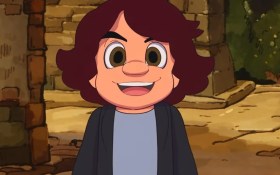
Australian-made point-and-click adventure Paradigm, helmed by developer Jacob Janerka, was one of the first video games I reviewed professionally. It set a standard of strangeness than no game since has matched, with an oddball sense of humour defining an increasingly bizarre journey through a fictional version of Eastern Europe.
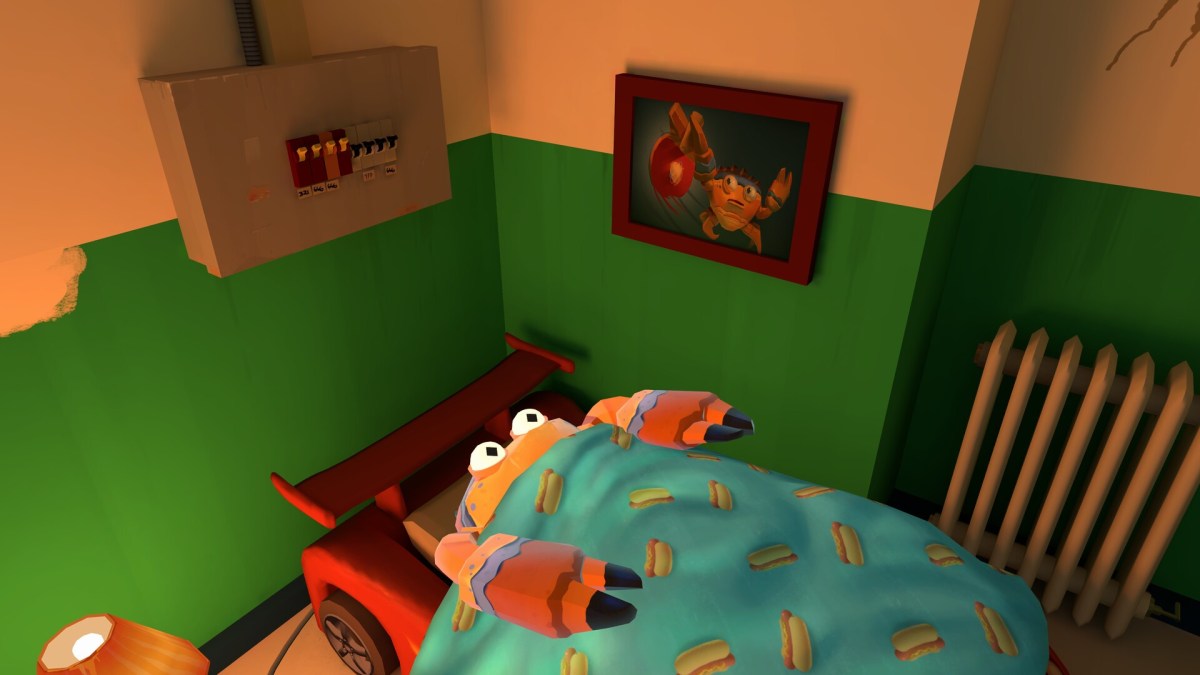
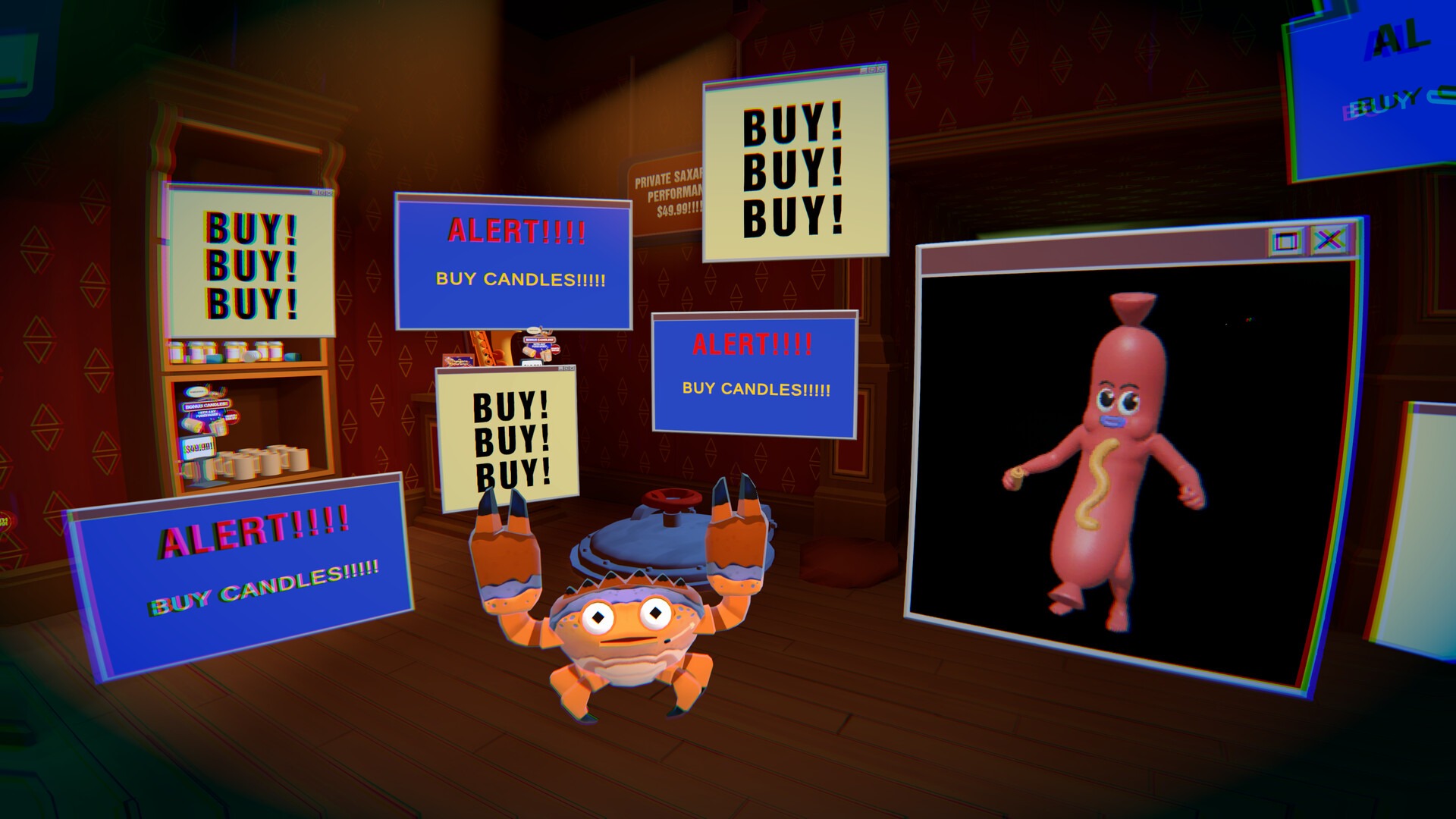
Janerka’s next game, The Dungeon Experience, set to be published by Devolver Digital in 2026, looks to exceed Paradigm‘s high bar for oddity. Early demos reveal an esoteric adventure brimming with novel ideas – from an eager Dungeon Master mud crab, to his ramshackle ‘pyramid scheme’ dungeon filled with off-putting traversal challenges and danger.
Speaking to ScreenHub during a busy period of development, Janerka describes the entire project as being born of ‘hubris’, as well as a desire to push his game development skills in a new direction.
The Dungeon Experience interview – quick links
Inspired by the concept of a terrible Dungeon Master
In the wake of Paradigm, Janerka was looking to challenge himself with a new video game project. He found his inspiration in an adjacent field when he took part in a Dungeons & Dragons session.
As Janerka explains, the session was fun, but it inspired thoughts of a Dungeon Master that had the passion but lacked the skills to make the game work. What would that look like? How would the game devolve, in the hands of someone with lesser skill?
Janerka assures that this line of thinking wasn’t directly inspired by his own Dungeon Master but rather the question of what would happen in his absence.
Mid-way through an enthralling campaign, Janerka’s DM announced his partner’s pregnancy and so players began ruminating about what came next.
‘I remember it being such a strange mood, because my friends all lived in this sharehouse together with him, and we were all just pottering around, weirdly melancholic that we weren’t playing D&D anymore,’ Janerka says.
‘That created the bedrock for the crab character in the game – not necessarily based on him at all, but just the whole sequence of events.’
Inspired by feelings of malaise and the desire to do something different, Janerka began a ‘brain vomit’, alternating between ‘bleeding’ ideas onto paper and napping. As Janerka explains, he also found leaping off points in various media – comedy like Smiling Friends, The Mighty Boosh, Monty Python and the works of Tim Robinson and Conner O’Malley.
With this mix of new ideas and inspiration, the crux of The Dungeon Experience came into focus – although the core concept was difficult to grasp at first.
‘At the beginning, it was total chaos,’ Janerka says. ‘We didn’t really know what the game was … It was supposed to be episodic … [and] we didn’t really have any of this pyramid scheme stuff. It was really just based on the idea “what if there was a shitty dungeon that you play through” but it just had no teeth.’
He adds, ‘Over time, we really locked into what the game was.’
Adding humour to The Dungeon Experience
‘We [created] processes like, how many jokes need to be in the scene, like a minimum joke standard,’ Janerka says. ‘At the beginning, I’d be more cowboy-ish [about] how I do things.’
Experimentation inspired jokes of all flavours, each requiring different elements to work well, and remain funny, without trying too hard. It was a delicate balance.
‘There [are] different levels of jokes,’ he says, pointing to the differences between ‘a piece-of-paper joke to a big, expensive joke that takes weeks to make … versus something in-between, where it’s just a funny dialogue thing’.
Not everything worked, and there were plenty of jokes that ended up on the cutting room floor, as part of the process of creating the sharpest, brightest-eyed version of the game. Per Janerka, some jokes that were intended for the ending wound up being reintegrated elsewhere. Others were cut for cohesion.
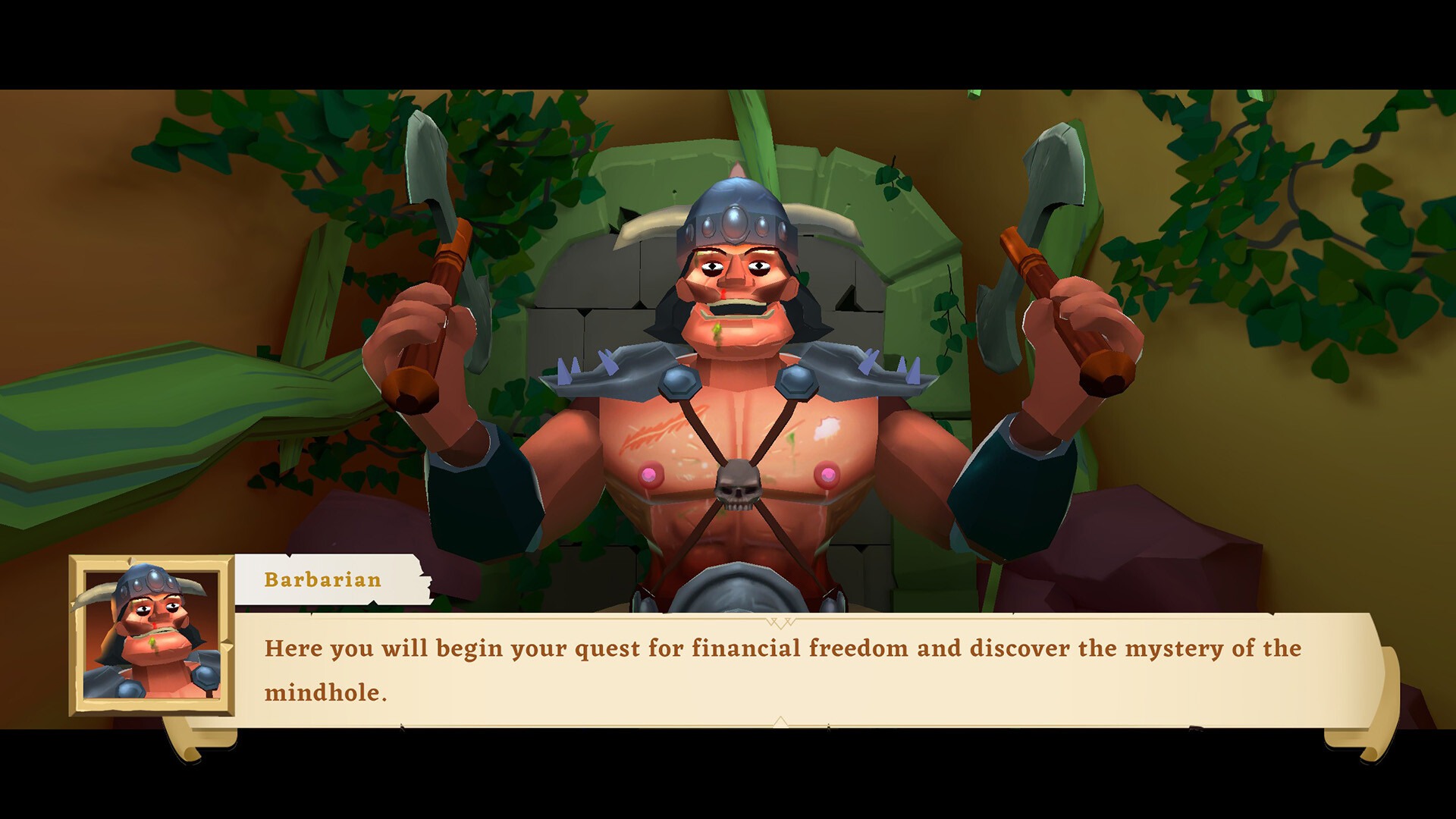
The consideration was always around what jokes worked best in a video game format – which meant they had to work on a visual level, not just in dialogue or as a simple gags.
‘You can think of a joke that’s really funny on paper but you have to consider how it feels to play it, and how much people are prepared to sit there and listen to a character you’re doing,’ Janerka says.
‘Generally, you start from the top and you’re like okay, that’s a really funny thing. You write out a script, and [someone] is like “oh players aren’t going to sit through all that”. You have to start breaking it down into segments and you’re constantly thinking “is the player going to get bored?”
‘But the thing is, with comedy, if it’s funny enough, it overrides all the rules. When you have a killer idea, you can get away with it.’
Corralling an all-star team for launch
As The Dungeon Experience‘s brightest, funniest ideas shaped up, Janerka was able to corral a team of developers to continue fleshing it out. That included programmers John and Tom, 3D artist Asha, sound and music specialist Dimitri, marketing lead Josie and business developer Simon plus various freelancers.
Janerka has been working on the game full-time since around 2021 with support from his team – some working part-time and others working full-time – and with funding support from Screen Australia and VicScreen.
Read: Funding & development opportunities for video game developers
The Dungeon Experience has also been able to expand in scope and ambition thanks to support from Devolver Digital, which came on board as publisher late in development. Per Janerka, this was a long-in-development but fruitful partnership.
Signing a publisher
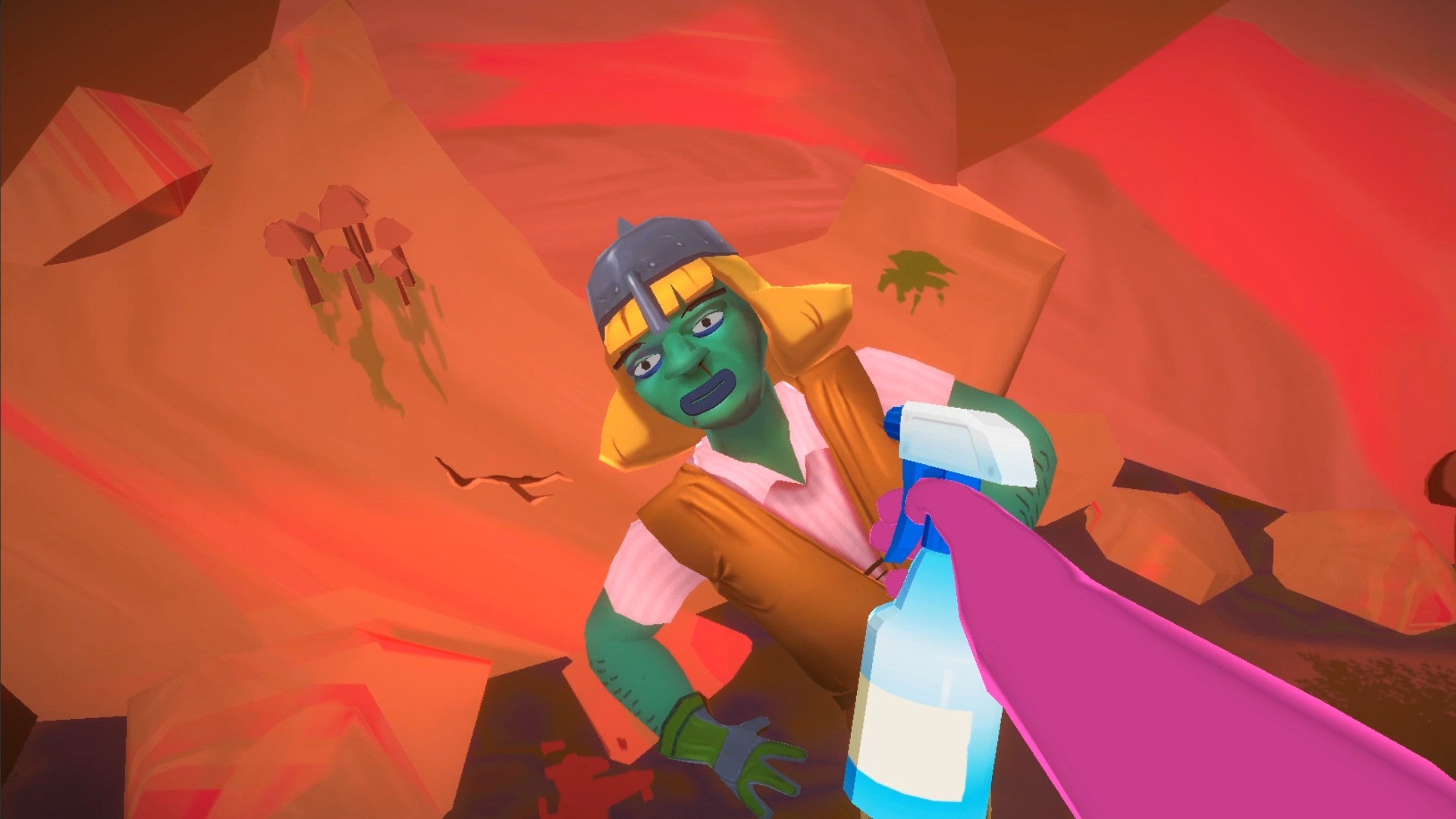
‘We initially didn’t even want a publisher,’ Janerka says. ‘When Devolver approached us, it was unexpected. I’ve always said I wouldn’t want a publisher but if I did, I would consider Devolver. It was a … strange coincidence that that was the thing that happened.’
Publishers had previously approached Janerka about supporting The Dungeon Experience to launch, but they had been turned down for various reasons, whether bad rates or having little to offer. Devolver Digital was uniquely positioned, and shared much of the same sensibilities as the game’s development team.
In recent years, Devolver has made a name for itself publishing stranger, more comedic games, with this contributing to an overarching publisher ‘vibe’ of creativity and originality.
Read: My favourite video game of 2025? It has to be BALL x PIT
With The Dungeon Experience‘s slapstick sense of humour and quirky concept, it was a fairly obvious fit. Janerka says it was a flattering experience to be considered for publishing at all – but he was also keen to avoid being rapt by the ‘aura’ and reputation of Devolver Digital.
‘It felt good,’ he says. ‘I wanted to make a decision that was “is this better for everyone, for the project, and the team members?”‘
With Devolver Digital’s support, the team was able to continue development with an added sense of confidence, along with with ‘slightly more accountability’.
Not much has changed in the day to day, as development had been progressing at speed prior to the signing, but with added support – including oversight from Devolver producer Bridie Roman – there is now more motivation to press ahead.
Guiding The Dungeon Experience to launch in 2026
In the months ahead, Janerka and the rest of The Dungeon Experience team will forge on to see the game through to launch. After several years working on the project, learning new skills, solidifying his leadership skills and learning how to guide a cohesive team, it’s also a reflective period for Janerka.
‘A good lesson is just looking back and remembering how difficult things were in certain parts of the process,’ Janerka says.
He acknowledges this project has been ‘much longer than the last game’ but admits ‘it’s very easy to look with rose-coloured glasses after the project is done. Humans are wired to remember the good shit – and your brain is like, “nah, I don’t remember that.”‘
‘During tough times in development, you can remember “shit, that was really difficult”.’
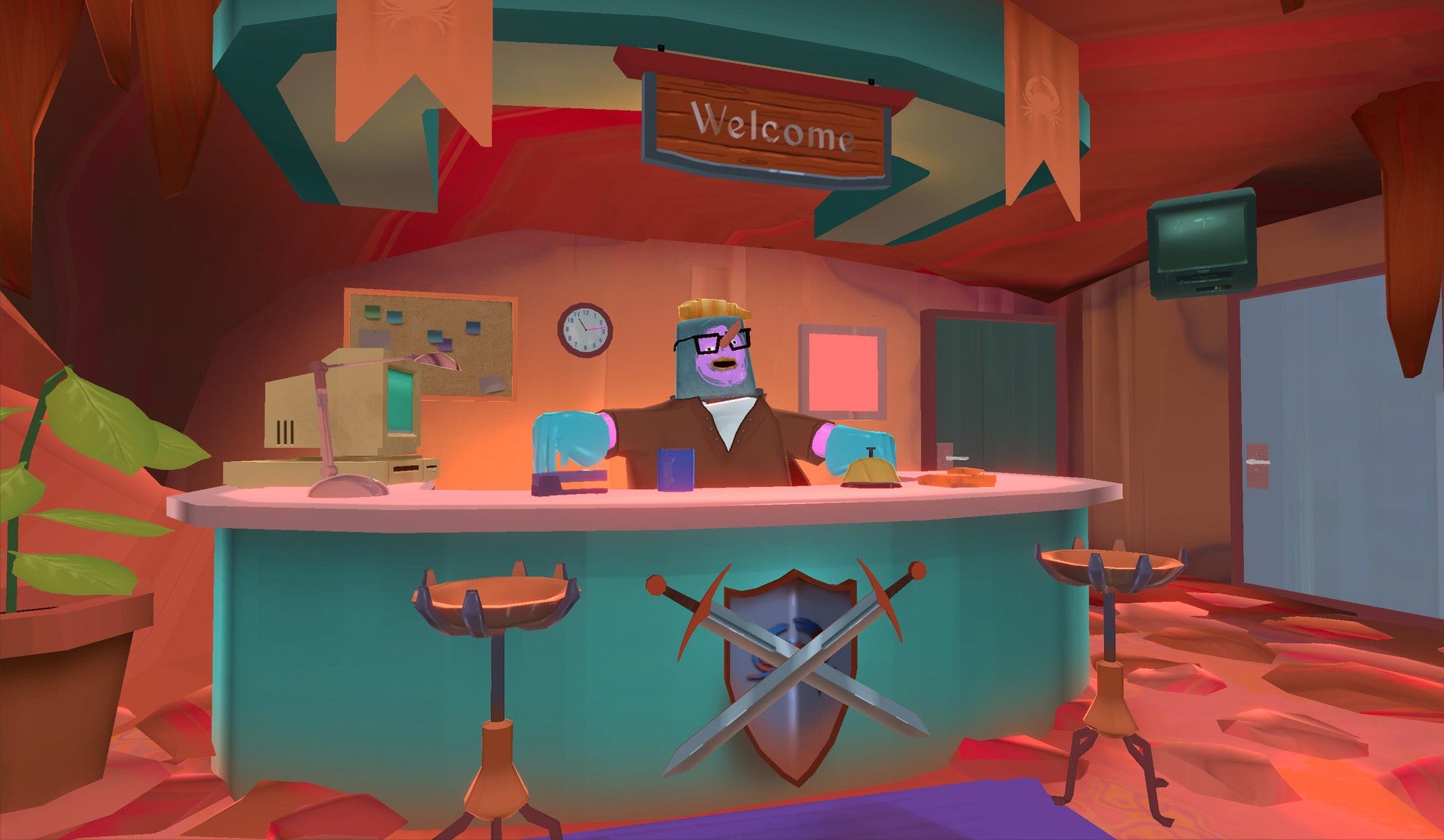
As Janerka describes it, key lessons learned from working on Paradigm and other projects have shaped his approach. Understanding what’s been overcome can be incredibly motivating.
The biggest lesson of all, Janerka says, is not too put too much on yourself.
‘You can’t ever dwell on [thinking about hits] because it will make you go crazy, and have these expectations and stress,’ Janerka says. ‘Generally, with creativity, you want to try to put yourself in the headspace where you’re not thinking of the consequences too much.’
The Dungeon Experience is a game being developed with a lighter intentionality. Janerka will consider it a success if it achieves one thing: that it makes people laugh.
‘I just want people to like it,’ Janerka says.
The Dungeon Experience will open its doors later in 2026, with a release window yet to be determined.