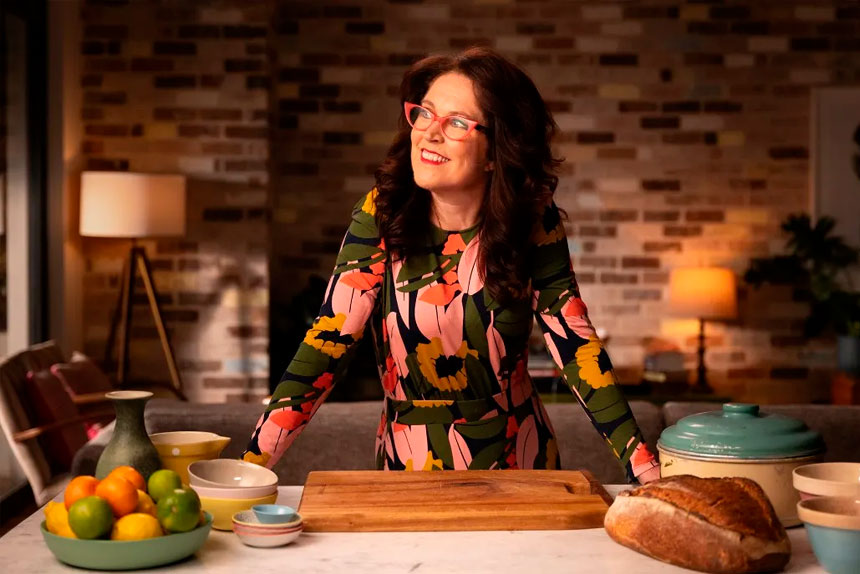
The ABC’s Kitchen Cabinet is the television version of one of those weekend newspaper supplement cover stories where a politician best known for suggesting poor people don’t deserve to eat is shown smiling with their family under a headline like ‘Outside the rough and tumble of Canberra he’s a bonza bloke’.
While newspapers have been going down the drain for the last decade or more – in part because of their steadfast commitment to running this kind of puff piece profile – Kitchen Cabinet has become the ABC program that will not die. First airing in 2012, the upcoming 2026 season will be its eighth, with over 40 episodes built around one central hook: host Annabel Crabb meets up with a political figure and they prove they deserve our vote by cooking her a meal.
Kitchen Cabinet – quick links
The Kitchen Cabinet recipe
The presence of Crabb is your first sign that examining anything about the nature of how power works in the country is off the table. While Crabb is an ABC political reporter (she’s a columnist for ABC News Online), her role as host here and on the other prime-time series she occasionally fronts is as more of a signifier. Seeing her out front is a sign that the series will be about politics but will in no way be political.
Being informative about the effects of policies on the nation is off the table: here her role is to let the audience know that they’re watching a show about our political system that has no actual opinions about how that system works or what effects it has on the community. Which you might think is pretty pointless, but if so you’re not the audience for Kitchen Cabinet.
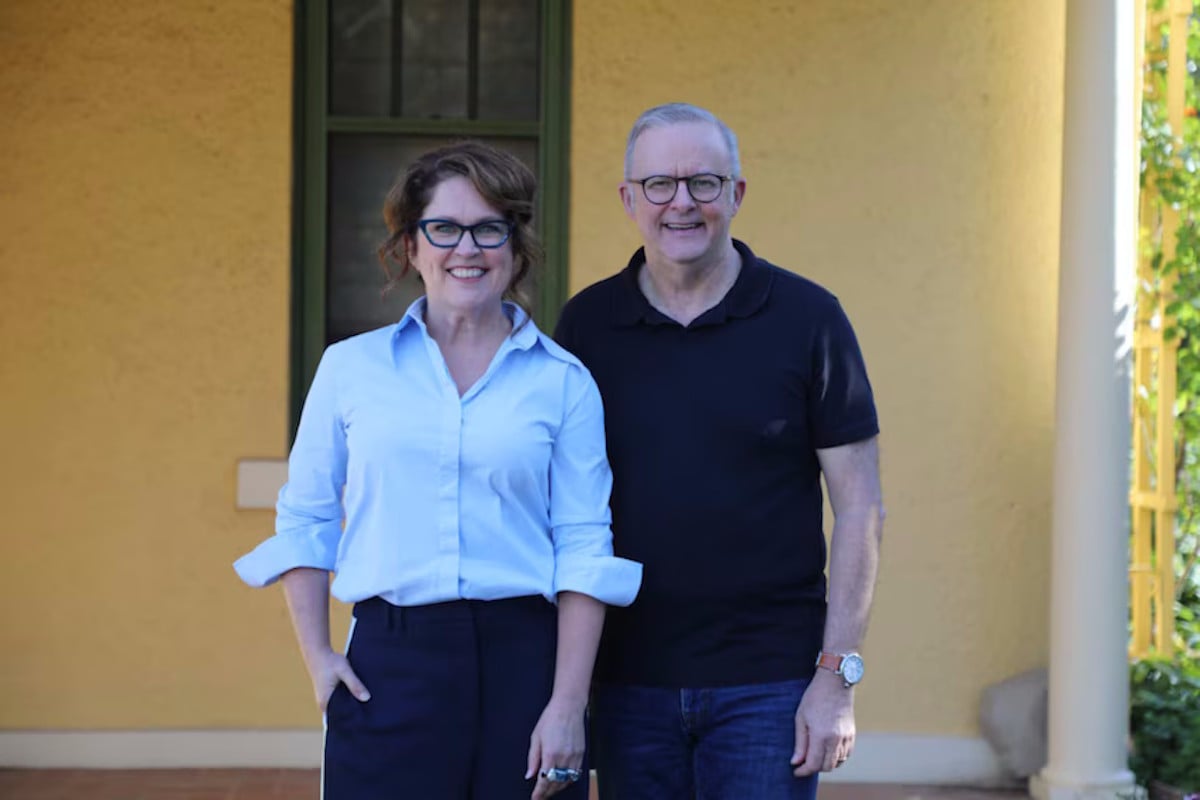
This is a chance for our political leaders to show off their human side. It’s a look at the person they are outside of politics, which is invariably some kind of down-to-earth, caring and thoughtful type who just wants to do right by the Australian community while also having a few minor quirks or interests that largely serve to bolster the image they’re looking to project. Albo cares because he grew up in public housing with a single mother? You don’t (repeatedly) say.
A series that consistently features the top politicians in the land is not a series that puts them under the spotlight. This season features both the Prime Minister and the current Leader of the Opposition; previous seasons have featured Scott Morrison, Peter Dutton, Malcolm Turnbull, Bill Shorten, Tony Abbott and Kevin Rudd.
A PR masterclass
A charitable view of Kitchen Cabinet is that the series uses these high-profile politicians to bring in viewers, while the episodes featuring lesser-known political identities are where the real value lies. The interviews with top political figures are interesting largely because of what they reveal about how those figures want to be seen. Sometimes a glimpse of reality sneaks through. The 2015 episode with Scott Morrison is an interesting historical document.
The ones with newer faces – this season also features Independent Allegra Spender, deputy Greens leader Maureen Faruqi, Labor MP Josh Burns, and a mystery sixth guest yet to be revealed – are a high-profile platform for voices at least slightly outside the mainstream. Those episodes tend to be the more interesting ones, if only because the guests arrive with less baggage and occasionally less polish.
But whether the guest is a familiar face or someone bursting with new ideas, they’re still a politician. People get into politics because they want to make a difference to society – they have views on the ways things should be done, who society should lift up, and who should be paying for it all. It’s a serious business that has serious impacts on us all. But yeah, sure. Let’s get them to cook up a curry on television and talk about their childhood.
Missing the real issues
Advertising might be banned on the ABC but nobody told the producers of Kitchen Cabinet. Each week a politician turns up with something to promote – that would be the image of themselves as a caring, thoughtful, decent human being who wants what’s best for voters – and Crabb lobs them a stream of softball questions about food and family and growing up. She has to. If she started asking actual tough questions, the show would rapidly be over (the ABC has real news programs for that).
Politicians deserve to be taken seriously, not treated like MasterChef contestants who’d be lucky to make it past the first challenge. Audiences deserve actual information about how policies will affect them, not a food-based advertising campaign telling them that top-level politicians are definitely not single-minded sharks hungry solely for power.
Kitchen Cabinet is a show about who politicians say they are. Out in the real world, politicians are judged by what it is they actually do. The bigger the gap between the two, the more important it is for political commentators and reporters to highlight that gap. Kitchen Cabinet pretends it doesn’t exist. But at least the food looks good.