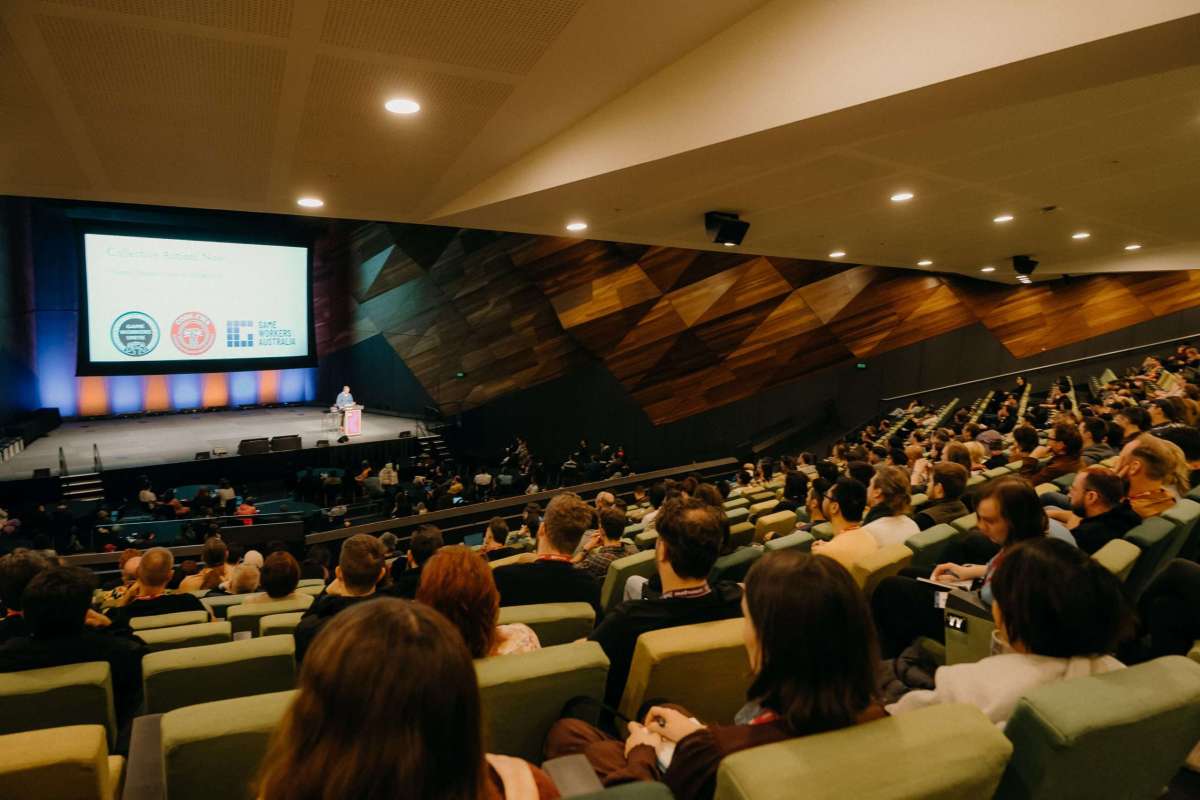
Taking place earlier this week, Games Connect Asia Pacific 2026 felt different to its predecessors. After all, the world is now a very different place. Months of economic, political and technological turmoil have created an atmosphere of uncertainty and fear for those who value stability – and who doesn’t?
At GCAP 2026, in developer roundtables and talks, as well as conversations taking place around the Melbourne Convention and Exhibition Centre, the current reality facing game developers was discussed in-depth – but so were the triumphs and the hopes for the future.
It’s not all doom and gloom. There is still hope on the horizon, and there is still opportunity to create games in environments where creativity is supported and nurtured, and rewarded, by the faith and enthusiasm of players. Today, it’s a matter of seeking out those opportunities, and holding onto the belief that our modern circumstances can improve.
Here’s everything we learned during GCAP.
GCAP 2026 talk roundup – quick links
1. Nobody is facing global challenges alone
It’s easy to silo yourself when you’re facing significant challenges in your life. To think you’re the only one who’s dealing with job instability or loss, rising costs, or other challenges to living well and peacefully. At GCAP 2026, talking with the local games community, it was clear these challenges are being felt everywhere and that nobody is alone in dealing with extreme pressure at the moment.
It’s not a good thing. To see constant news reports of a potential incoming recession and that everyone is doing it tough isn’t a good sign. But what was plain to see at GCAP was that community will always be there to help, to listen to the challenges, and to provide insight and advice.
When times are tough, friendship and community will always be there, even if it’s just to commiserate and wonder about the future. Community is free. Talk is cheap – but in the best way possible. What will get everyone through is spending time with friends and being open and honest about the challenges of modern living.
2. There remains opportunity to create games, but uniqueness is a necessity
An insightful talk from Gyld co-founder Emre Can Deniz went in-depth on the current opportunities available to game developers, outlining that while perceptions may have changed, the ability for developers to reach players is about the same as it’s always been.
Driven by data, Deniz outlined the major challenge of the modern games industry is that there are so many games releasing, and developers ‘must know what they’re doing’. While there is some belief that faith and gut-feeling may help game developers, Deniz said that’s not really the case, and that developers should leverage their experience and insights in the games industry before they trust their gut.
Via analysis of Steam reviews, Deniz and the Gyld team have determined that there really isn’t much of a shift in modern game player tastes and how they receive games. All they really want is a project that plays well, fulfils the promise of their home genre, and presents some unique ideas.
That’s really the crux of what Deniz explained: more players are playing games than ever, but games must be above mediocrity to succeed. They must serve their target players well and present familiar or established ideas well (or better) to make their mark. That should be the focus of developers when considering their next creations.
3. Becoming a well-rounded multi-classer will open up new opportunities
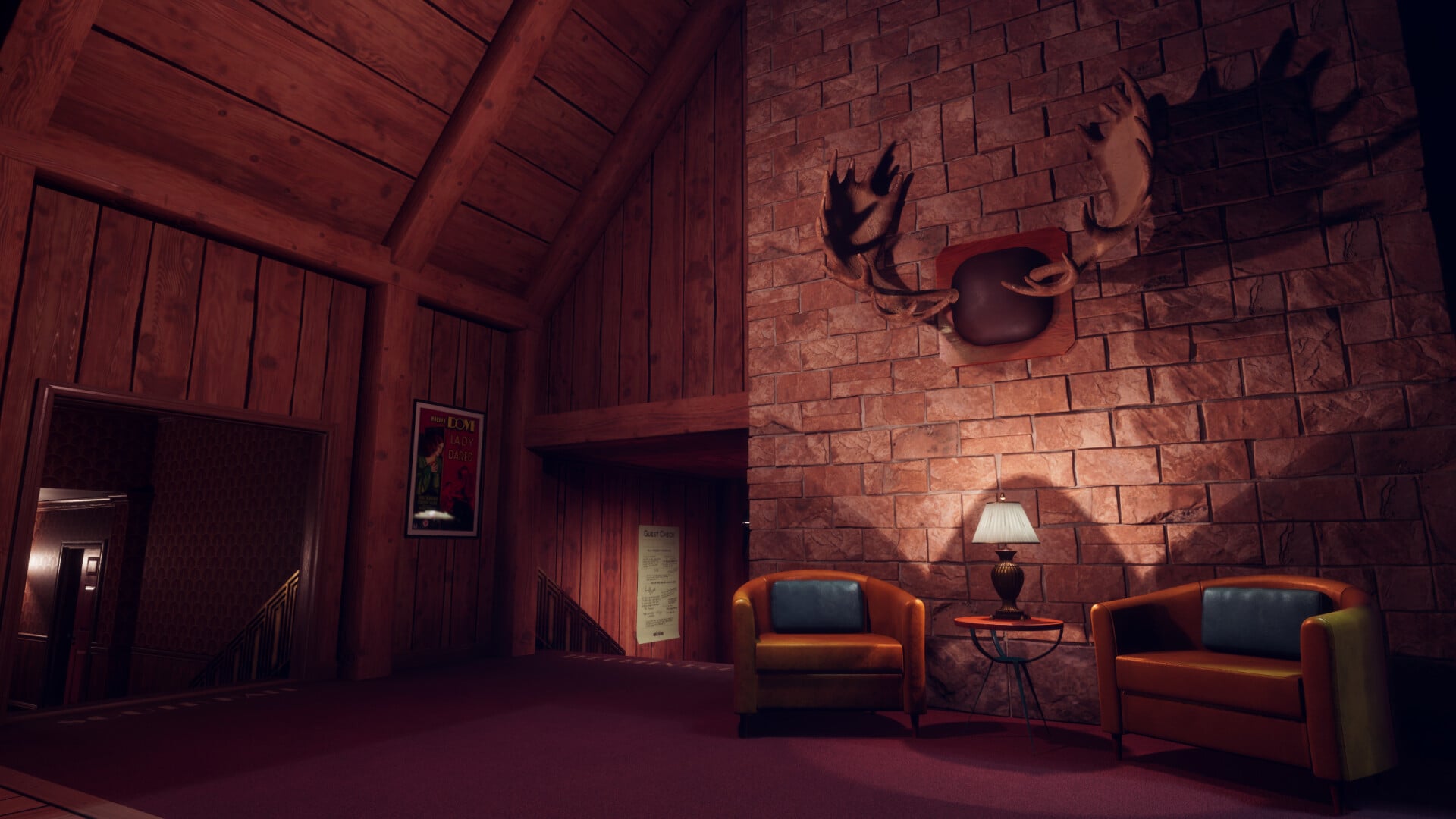
In a talk from Amanda Farough, Director of Production at Causeway Studios and Executive Producer and Writer at Strange Scaffold, the need to multi-skill as a game developer was discussed extensively.
Farough’s career charts multiple disciplines, including programming, writing, business, design, operations and production. As she told attendees of GCAP 2026, the need to multi-skill and become a ‘multi-classer’ is why she’s been able to forge such a storied career, beginning with programming, then games journalism and now multi-class game production.
As Farough says, developers don’t have to be any one thing. They can dabble in multiple realms and have ‘expansive’ careers that allow for a flexibility where needed. While specialist skills remain necessary, Farough outlined that multi-class developers have the chance to work across multiple areas, solving different problems, and that they can become an enhancement for studios and their employees.
Multi-classers who are familiar with multiple business areas can empower others to work more efficiently and provide expertise and advice to many different types of developers. Guided by a ‘why’ for working, Farough encouraged developers to branch out to new areas of development and use ‘zones of genius’ as well as curiosity and joy to see what skills can be gathered elsewhere.
4. Sometimes, game development is about working with what you have
For those working on new game projects, a talk by Donald Barrett, Senior Designer at Insomniac Games, on the development of Marvel’s Spider-Man: Miles Morales was a deeply insightful, somewhat relieving discussion about the need to be thrifty in game development.
There is an assumption that global game studios are very different from small game studios working in Australia. That perhaps there’s unlimited budget and an ideal freedom to create. As Barrett made clear, that’s not always the case. Sometimes, those global teams are working to tight budgets and timelines and must become thrifty with their work to ensure games release on time, and to budgetary expectations.
Miles Morales was a very thrifty project, with some corners needing to be cut to ensure its on-time completion. As Barrett detailed, many of the game’s boss fights were taken from Marvel’s Spider-Man and reworked to suit Miles Morales. Character and environment models were reworked into this game, as well as established weapons, animations and other features.
What Barrett’s talk revealed most of all was that game development is a tricky, complex art, and that sometimes even global studios need to be thrifty and plan for recycling in their games. This can help to speed development, and allow developers to find the fun as soon as possible. You can make it, and then make it good.
5. To find an audience, it’s all about getting creative and focusing on the fun
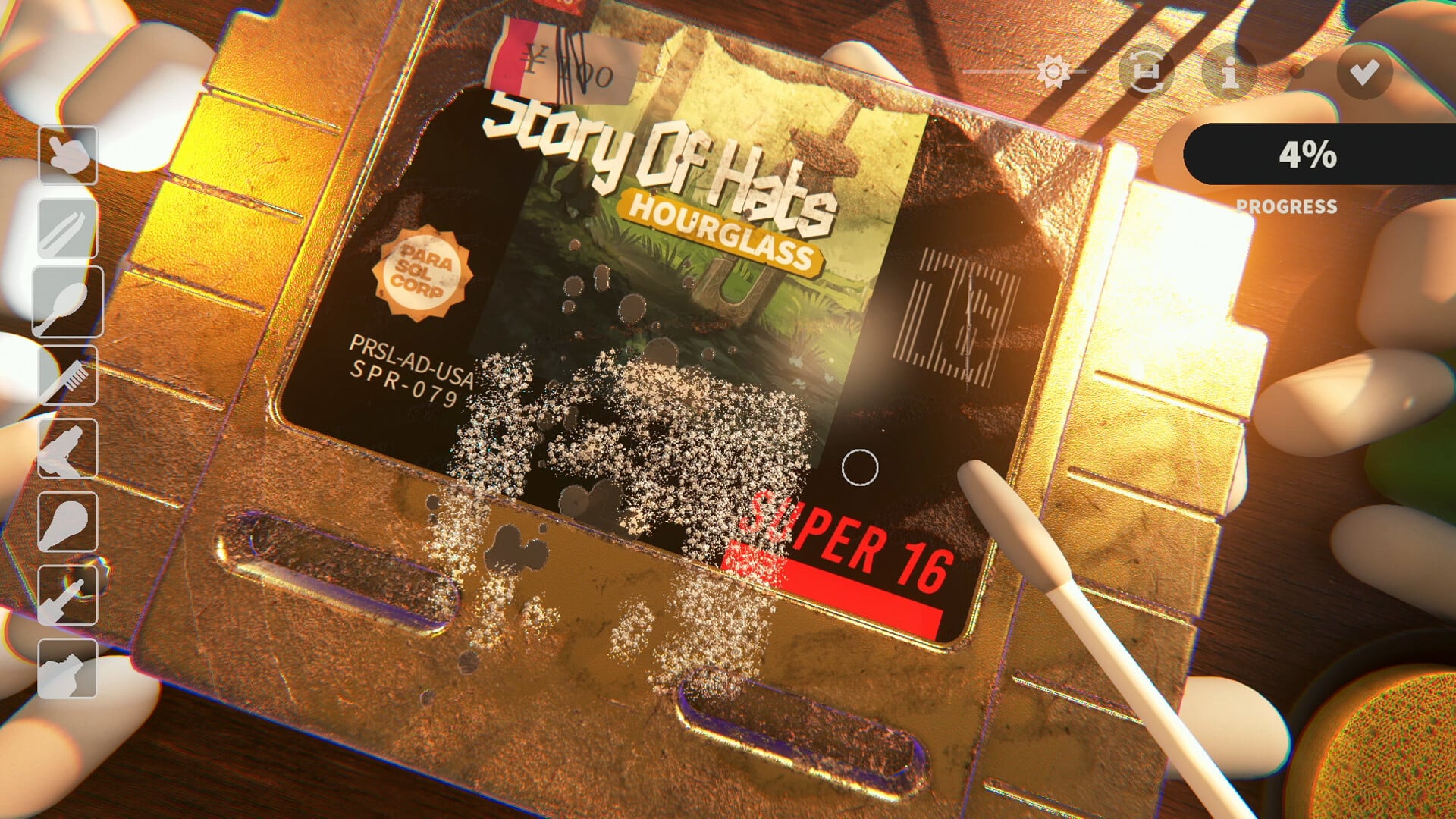
Speaking of finding the fun, a talk by Cozy Game Restoration developer Adam Stormhardt was another essential, insightful part of GCAP 2026. This focused on how to get wishlists and support for new game releases through social media, and how to identify which parts of your game are ‘fun’.
As Stormhardt explained, he got to 300,000 wishlists for Cozy Game Restoration, in part by leaning into social media marketing, creating videos that showed off the best parts of his new project, and explained why people should care. Around the mid-point of the game’s development (although he believes he should have started the social media reveals earlier) he began releasing videos to show off what most excited him about his game – its process for cleaning and restoring old games.
He created unique videos designed to directly show off game mechanics, including adding in a progress bar to ensure visual recognition and understanding for his audience. As he explained, while it’s tough to stand out, videos that are unique, short and punchy tend to do well on platforms like TikTok.
Developers should aim for a high retention on their videos by making them succinct, interesting and cool – concepts that should also form the crux of games, to help them appeal to their target audience. The job of a game developer, as Stormhardt says, is to ‘make TikTok see your stuff as watchable’ and work towards this goal through visual clarity and understanding of what your audience wants.
6. We can’t forget inclusion, even when times are tough
It’s no secret that it’s complex to make a video game, particularly in the modern era. But as emerging developer Owen Loakes made clear in his talk, now is not the time to cut corners on diversity for the sake of convenience, or as a result of limited time or budget. In fact, sharing a wide array of voices, and ensuring representation is accurate and authentic, remains more important than ever.
As he shared in his talk, there is a tendency – not only in games – to include representation through consultancy, rather than active participation. Whether for budgetary reasons or otherwise, there is a pervasive idea that representation is ‘good enough’ when one person or another can consult on a project and share their opinions.
As Loakes says, we must move away from these ideas and move towards more robust ideas of inclusion through meaningful co-design. Not just including diverse representation, but ingraining it into game development practices and ensuring that those represented have an active voice.
We all know times are tough. There is shorter thrift for games to be created and make their mark. Developers and publishers both have tighter budgets. Even against this backdrop, we must continue to make an effort to tell important stories, and to ensure strong representation and diversity.
This was one of several very important lessons shared at GCAP 2026, providing a hope for a more cohesive and community-driven future for games and the wider world of art creation.
A GCAP media pass was provided to ScreenHub to attend the event.