On 28 February 2022, Lismore experienced the highest floodwaters on record. The waters peaked at 14.4 metres – well above the previous record, and high enough to inundate homes and leave some residents stranded on their rooftops.
A month later, it happened again, with floodwaters rising well above ten metres. It was the kind of disaster that brings a community together, even as it tore individual lives apart.
ABC documentary When the River Rose sets the scene with a string of news footage that makes two things clear: the floods were seen by many to be the result of climate change, and that Scott Morrison’s Federal Government appeared more interested in image management than providing timely help.
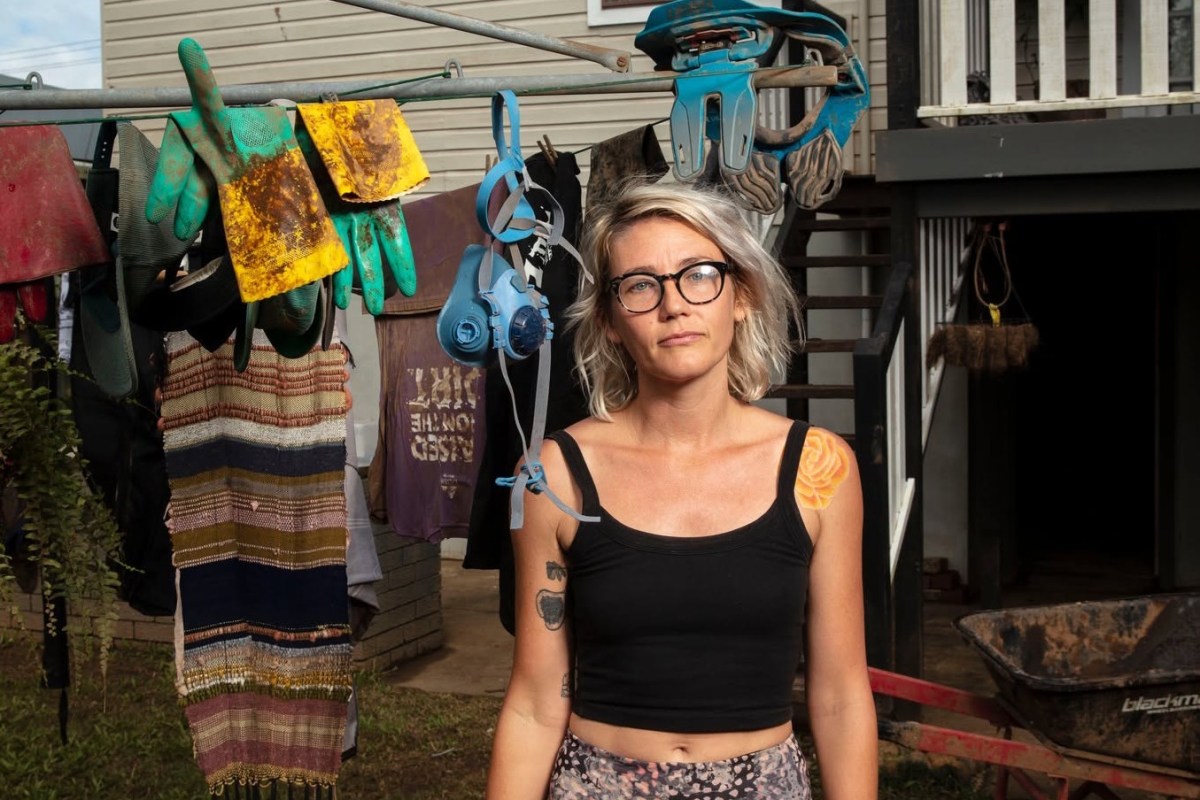
For local artist Kate Stroud, rescue came when the floodwaters were up to her chin. Not from the Army, who were meant to be on the scene, but from a neighbour on a jetski. ‘We were left high and… not dry at all,’ she told a news team at the time. Now she’s fronting this documentary, speaking to other flood survivors to find out what happened both during the floods and in the weeks and months afterwards.
When the River Rose review – quick links
The horror of the floods
The footage taken during the floods is devastating. The water is up to the roofs of houses, with cars submerged in the streets. Waterlogged locals look shellshocked. Livestock is swept down a main street, while a journalist reports on a man, missing presumed dead after being sucked screaming down a stormwater drain.
This isn’t an uplifting tale of a nation coming together to help the vulnerable after a disaster. Stroud puts it bluntly: ‘The government had betrayed our trust, and left us to fend for ourselves.’ Survivors are shown standing in streets caked with mud calling on the Army for help. Stroud and a team of locals travelled to Sydney in a truck full of debris to dump it on the then Prime Minister’s doorstep.
The main focus here is the stories of five people affected by the floods: Furniture maker and teacher Geoffrey S Hannah OAM, Indigenous art gallery owner Amarina Toby, farmer Ashlee Jones, osteopath Dr Laurie Axten, who was living with his 91-year-old mother at the time, and peer support worker Dee Mould.
Personal stories of survival
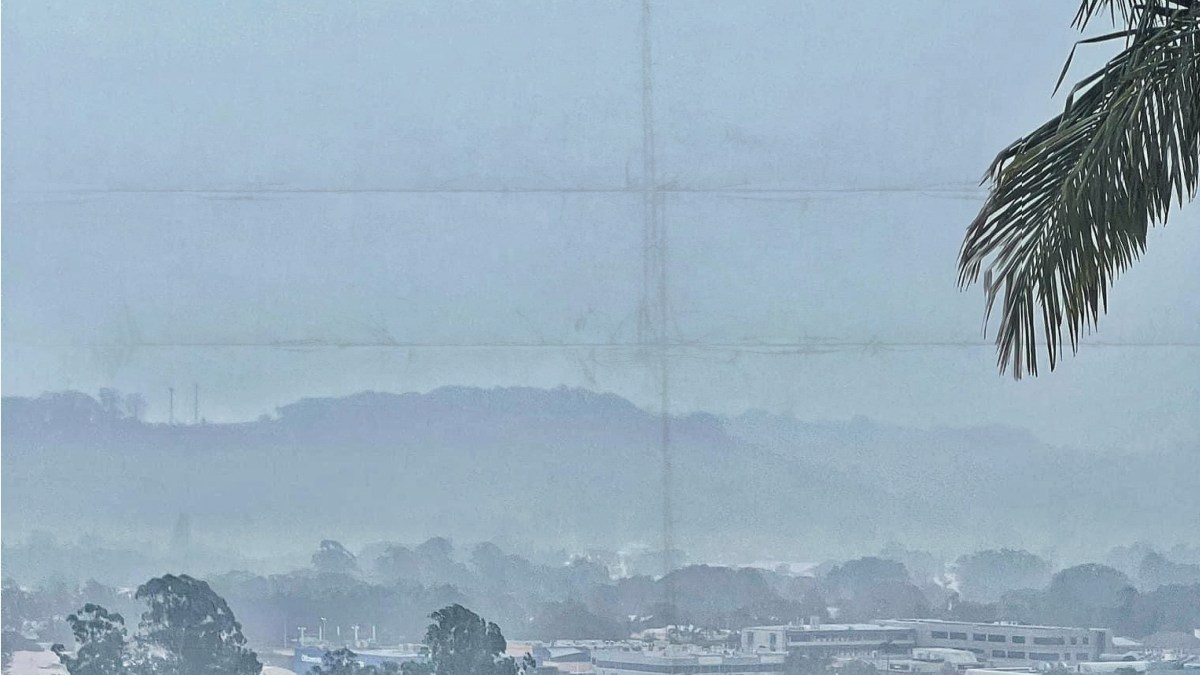
As the five take us through their experiences before, during and after the flood, there’s a consistency to their tales. At first, nobody thought things would get as bad as they did. There had been previous floods, but nothing as bad as what was to come; those who’d seen floods elsewhere thought they knew what to expect. Whatever systems were in place to cope, didn’t.
Once the waters came in, it became a matter of survival. Dee talks about pulling people out of their homes through windows; Ashlee says that once the waters came down they were finding debris in the power lines high overhead. The community was credited with 4000 rescues; four people died.
Afterwards the town was a wreck. The floodwaters had flipped cars, knocked houses off their foundations, stripped bare the interiors of buildings. Amarina talks about finding some of her flood storage boxes two blocks away in the street; Dee breaks down talking about how his home – a Queenslander designed to survive a flood – couldn’t stand up to the waters.
ScreenHub: Floodland review – a portrait of Lismore’s flood-ravaged residents
Asking critical questions
Filmmaker Catherine Barker skilfully weaves the five stories together with footage taken at the time to create a vivid picture of what went on. The overwhelming nature of the disaster comes through loud and clear. Some are almost emotionless when describing the devastation, others are more obviously affected by what they went through, and they’re all still clearly living with the effects today.
Things weren’t helped by a delayed reaction from the authorities. When the River Rose isn’t just an account of a huge natural disaster, it’s a look at a community that feels let down by the government and the agencies supposedly there to help. It’s clear that many people are still angry and upset. The city itself still has a long way to go to rebuild.
The Lismore community was able to do a lot by themselves, and some of those stories are heartwarming, but the fact remains that they shouldn’t have had to do it on their own for so long. And don’t get started on the insurance companies.
When the River Rose is powerful, thought-provoking viewing that isn’t afraid to lay the blame where it belongs. It’s also a salute to the power of community – and the heavy toll that individuals are asked to bear. This is both a look at a region that’s been profoundly affected by a natural disaster, and a wake-up call: this kind of thing is only going to get worse, and if we want to survive we’re going to have to do better.
When the River Rose airs 14 July on ABC and ABC iview.
Discover more screen, games & arts news and reviews on ScreenHub and ArtsHub. Sign up for our free ArtsHub and ScreenHub newsletters.
Actors:
Director:
Catherine Barker / Kate Stroud
Format: Movie
Country: Australia
Release: 14 July 2026