What were you doing in 2008? Tuning into the Beijing Olympics? Watching the world fall into a financial crisis? I was a teenager, and I knew one thing: Iron Man was the coolest superhero around, and I couldn’t wait to see The Avengers gather together on the big screen.
I had no idea what was coming, and how the Marvel Cinematic Universe (MCU) would turn.
Why the MCU should end now – quick links
Humble beginnings as Iron Man takes flight
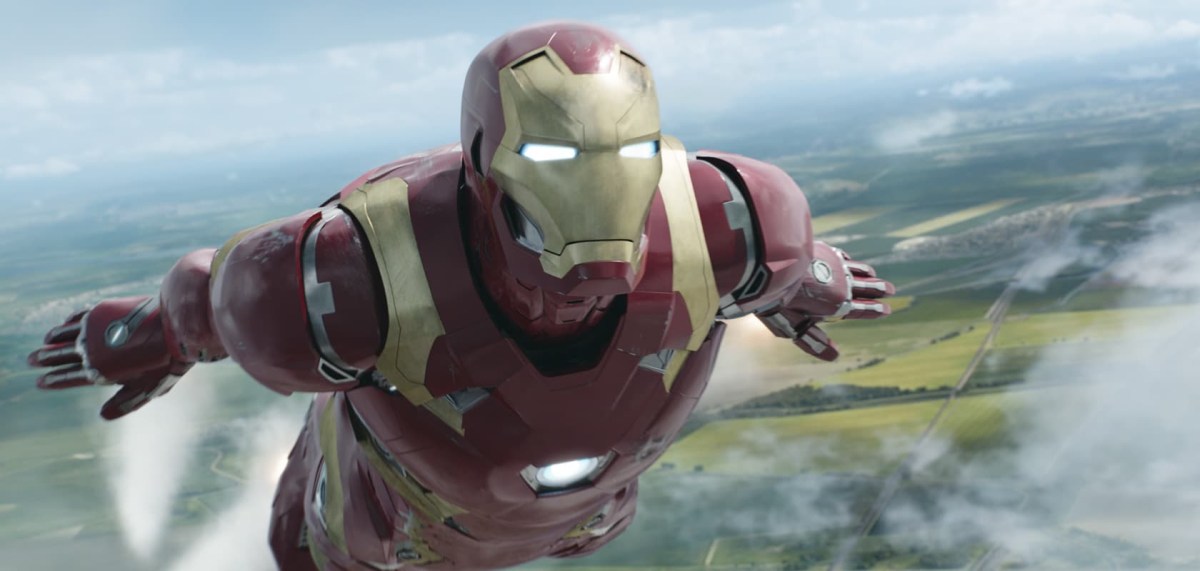
The original Iron Man film now represents a turning point in modern cinema. Prior to this, superhero films had been relatively hit-and-miss, with the X-Men and Spider-Man franchises being rare exceptions to a general malaise around superhero media.
Iron Man was preceded by a fun but overtly silly Punisher adaptation, and badly-received versions of Daredevil and Elektra. After this string of disappointments, there were questions about the future of superheroes on film. But of course, Iron Man – an adaption of a lesser-known and at-the-time lesser-loved Marvel hero – came out of the blue as a well-rounded, inspiring film, revolutionising the notion.
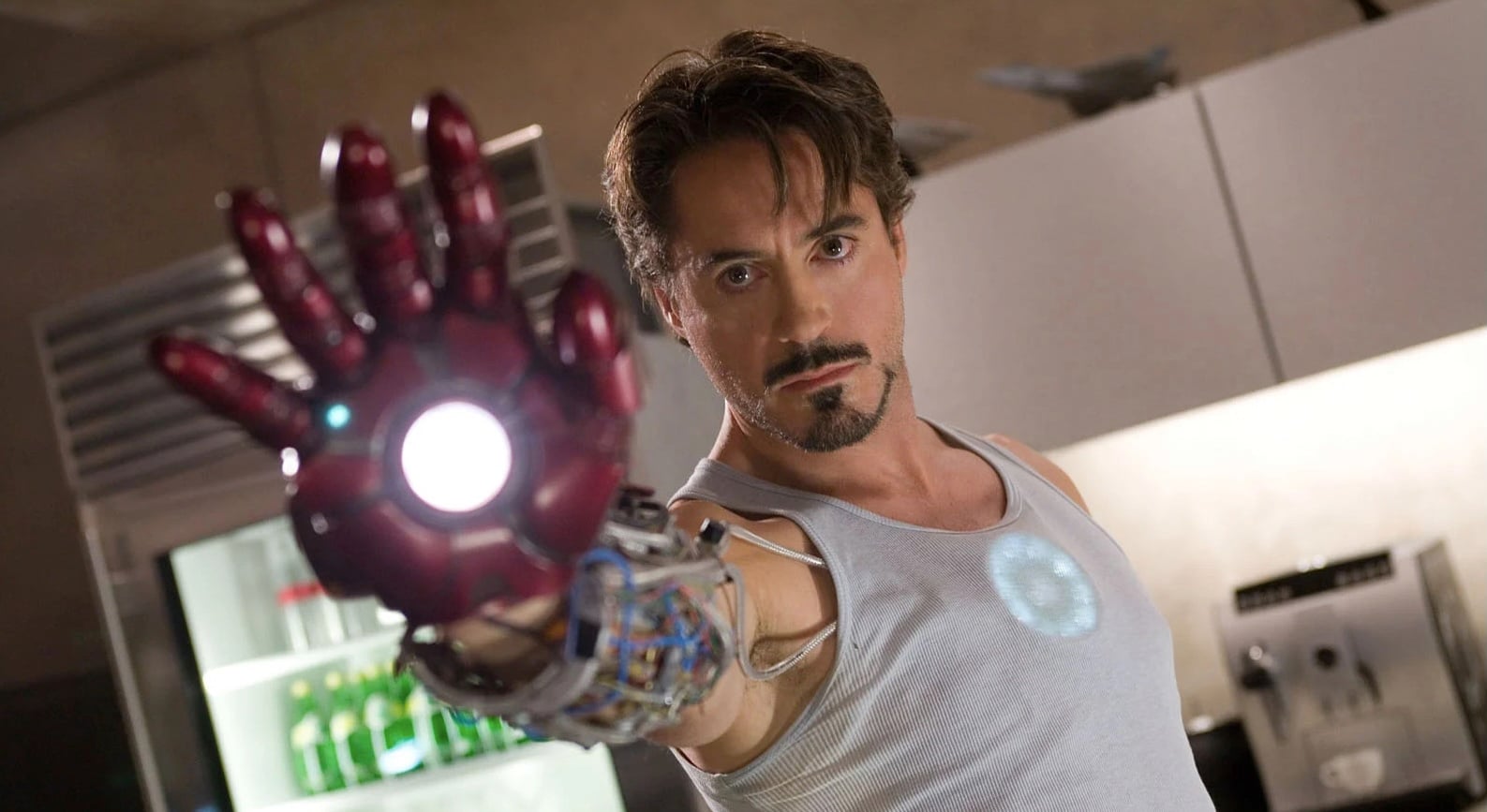
Robert Downey Jr was electric as the titular Tony Stark, accompanied by a sinister Jeff Bridges, and a sharp, likeable Gwyneth Paltrow. Grounding itself in a backdrop of modern warfare and weapons manufacturing, the film presented an adaptation of Marvel’s comics that felt more tangible and realistic than anything that had come before.
Rather than being big, loud and bombastic, it aimed to relocate comic book fights to a world familiar to our own. And rather than the fights themselves being the focus, Iron Man arrived with a more layered nuance: a focus on humans overcoming great odds, in a relatable world.
It was an idea that resonated, as Iron Man launched to warm reviews, inspiring strong commercial success and growth by word of mouth. Even those who had previously dismissed superhero movies were rapt by the film’s character study and its grounding in reality, not to mention its visual effects and spectacle.
Making back nearly four times its reported budget, Iron Man was always going to get a sequel. But what it actually spawned became a behemoth: the entertainment juggernaut known as the MCU.
Nearly 20 years on from this success, Iron Man is a fascinating cultural artefact to study. Without it, we wouldn’t have seen such an explosion in superhero media over the last two decades – dozens of films, tie-in TV shows, video games and spin-offs.
But analysing Iron Man in the modern era, a deeper revelation presents itself: while the MCU it kickstarted is grand, now – after so much time in the sun – is the right time for it to end.
Character-driven stories make way for a bigger MCU
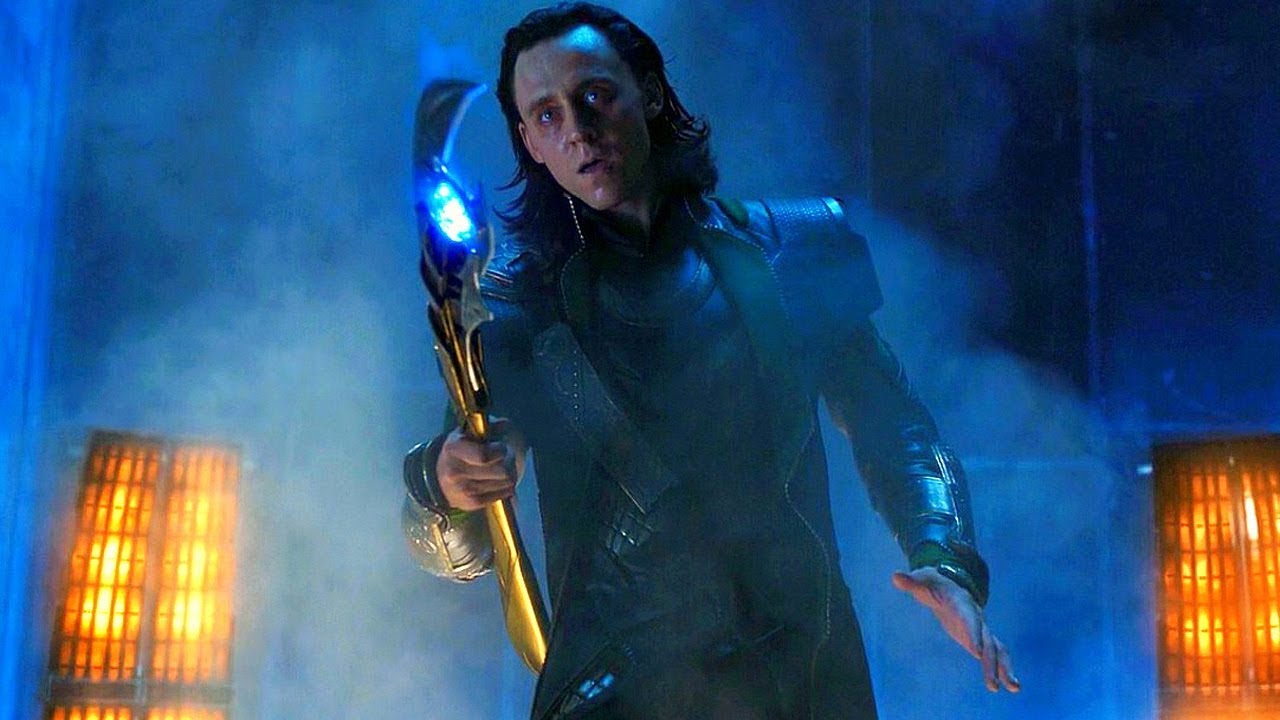
Iron Man succeeded on a charm that’s been bleeding out in the MCU, over a number of years – and only grasped again on occasion. The film’s creators understood something fundamental about superhero films, and their nature.
That they are not about the aliens flying through space, or the world-ending threat, or the magical gems. They are solely about the people – the heroes – that lead the charge.
Superhero media is, by nature, a flight of fancy. It’s positioned as pure escapism, for people to imagine themselves in each protagonist, overcoming great struggles.
It’s not, as first impressions suggest, a genre only for kids. Superhero stories are designed as all-ages parables about the power of doing good, of making change and of overcoming the odds. They’re about the struggle, and harnessing inner strength.
The message is simple and inspiring.
Iron Man, at its core, was about Tony Stark (yes, a billionaire, but still funny, and relatable) finally understanding his contributions to arms dealership, and facing a reckoning for his work. Stuck in a cave with a victim of his technology, he grasped the devastating impact of his actions, and chose to recreate his family’s legacy, in a protective suit of armour which he would use to right injustices.
Charged with those emotions, Iron Man makes a major impact.
Through varying tales, Marvel’s early films charted a similar course, understanding that superheroes are people first, with their own burdens to carry, and their own challenges to overcome.
Then, of course, came the turn. After delivering parables of harnessing noble responsibility (Thor), and fighting for people who can’t (Captain America: The First Avenger), The Avengers raised the stakes. It also changed the game.
With so many heroes to play with, it transformed many into quipping parodies, or reduced characters to simplicity. Personally, I’ve always been very disappointed by how Bruce Banner’s complex identity issues became plot points in The Avengers, with his nuances skipped over in favour of big action sequences and ‘please clap’ moments.
Tony Stark became the mean, sharp-edged antagonist to Steve Rogers, who played the innocent man-out-of-time. Natasha Romanoff – introduced as a ‘sexy’ spy in Iron Man 2 – became the manipulating seductress, with only a few moment to prove herself something other.
To be as clear as I can: I love the original Avengers film. After years of introducing new characters, it felt like a fun and fantastical crossover, with some nice easter eggs and silly moments to enjoy.
The real issue is how quickly it tossed out character development, and instead upped the ‘fantasy’ stakes for the MCU. How it forgot the realism and grounding that made Iron Man such a success.
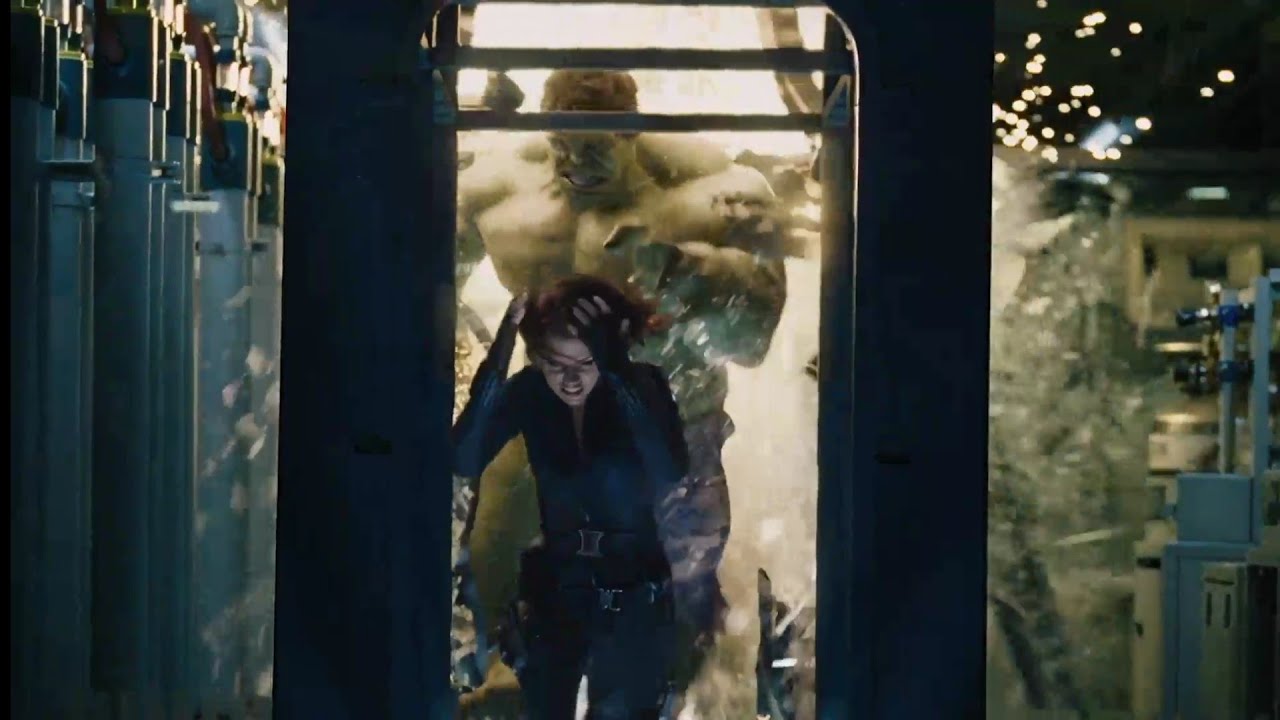
With each subsequent film in the MCU, there was an impetus to tell bigger and grander stories, starting from The Avengers. To focus less on character-driven narratives, and more on setting up space-bound conflicts, introducing hyper-powered villains, and a need for the heroes to grow ever-more-stronger.
Training montages aren’t the same as deep character growth. And once you get to time travel, cross-dimensional incursions and reversal of death, where do you go from there? Higher stakes means bigger storytelling but naturally, those stories leave things like introspection behind.
How do you feel any connection to characters that have become abstract thanks to the size and ambition of the MCU? How do you relate to characters likely to get screen time in the single digits, to be tossed aside for dramatic digital fights? How is there any time for character development and growth?
The MCU is now too big in ambition to shrink back to what it should be, to give the scope and depth to each character that makes them so worth following.
The brightest recent sparks in the MCU have been the smallest
That’s not to say the MCU isn’t entirely without its bright spots in the modern era. In fact, recent films have gone in a promising direction, with Thunderbolts* being a notable example.
Focusing solely on ground-level characters for the majority of the film, it avoids the wider MCU. While each main hero has their own backstory in previous MCU films, they’re all presented as ‘just’ people, attempting to get by in a world that grows stranger by the day.
Thunderbolts* was well-received for the tone it struck, particularly given the expectations for modern superhero films. There’s no ‘big bad’ from space, or complex lore requiring homework. There are only people doing their best, fighting their own demons, while trying to lift up those around them.

Before Thunderbolts*, the Paul Rudd-starring Ant-Man struck a similar tone, with critical praise for its siloing, and how it elevated Scott Lang, the character, before Ant-Man, the hero.
Many of the best-received films of the MCU have been the smallest, with the brightest ideas about centring humanity, to tell impactful stories with heart.
In a cinematic universe that now promises world-ending calamity if superheroes aren’t at their best, and an ever-more-powerful array of villains constantly descending, it’s becoming harder to tell those siloed, heartfelt stories without unrealistically ignoring the wider cinematic universe.
The first season of Daredevil: Born Again is a good example of this. It attempts to tell a small, ground-level story of the titular Daredevil dealing with a corrupt mayor in New York, who gets away with running a criminal enterprise as he manipulates the city around him.
Given this story takes place in the same New York once overseen by The Avengers, and now technically overseen by The New Avengers, there are ample questions to be raised.
Where are they? Why are they leaving Daredevil – a hero with minimal superpowers – to deal with corruption, and the growth of a criminal underbelly? In a world where these heroes have the power to take on alien threats, how simple would solving the problem of a corrupt mayor be?
There’s a dissonance created by that attempt to maintain both levels of storytelling – grounded and siloed, and ambitious and vast. It makes for a less cohesive universe overall, and with each new addition to the roster of heroes, the balance becomes even harder.
A fresh start is a chance to refresh stakes, and introduce new faces
Starting over feels like the only viable path forward.
To leave history behind, let the MCU exist as a beautiful cinematic achievement, and to start fresh with new faces, new heroes, and much, much lower stakes. It’s only with a blank slate that characters can be built back up, and that more interesting, layered stories can be told.
More to the point, it presents a chance for newer faces to be cast. To have new audiences seeing actors they can relate to, to see themselves in these characters. A new generation deserves new heroes, even if that means older heroes departing.
There’s a chance it’ll happen.
Avengers: Secret Wars, the next MCU film after upcoming 2026 release Doomsday, is seemingly inspired by comic stories that saw the heroes of the Marvel universe travel to an alternative dimension, where reality is reshaped. Fantastic Four: First Steps even introduced a reality re-shaper in Franklin Richards, who might be the key to a universal reset.
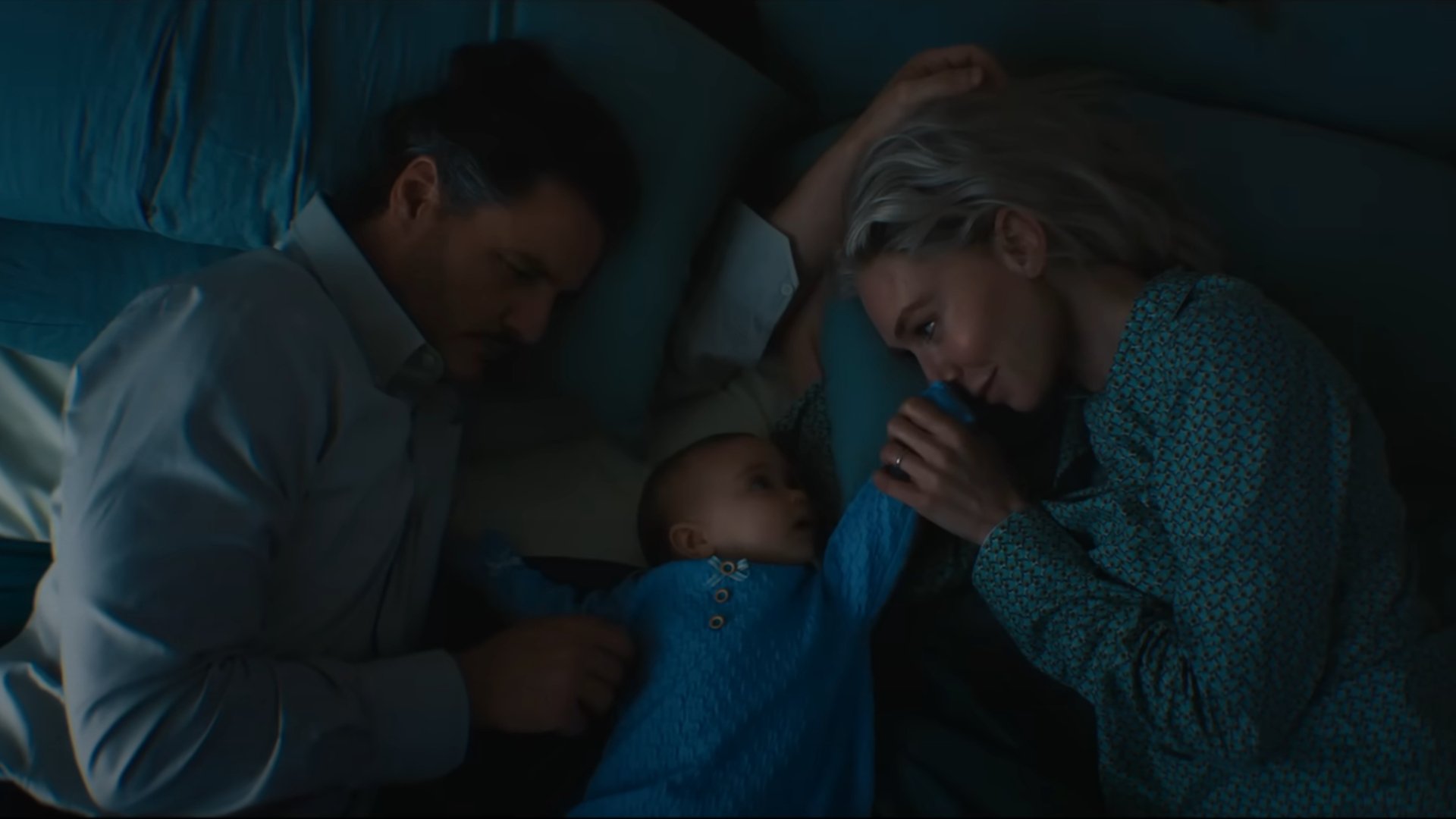
Of course, ticket sales – or lack of – are an inevitable motivator.
Recent MCU films haven’t performed as well as their predecessors, with the suggestion of ‘superhero fatigue‘ setting in, as audiences look for other, more creative media telling fresher stories.
The same people who grew up watching Iron Man, dreaming of the eventual Avengers crossover, are now heading into their 30s, 40s and 50s. Their tastes, to generalise, are changing. They’ve tuned in for the same superheroes across two decades. They want new stories.
Low and behold, here also comes a new generation looking for inspiration, to see stories of heroes overcoming the odds, and surviving a rough world.
They deserve to be as inspired as I was growing up. They deserve heroes that don’t require decades of knowledge to understand and relate to. They deserve a fresh perspective.
While there is a nostalgia tied to the MCU, and a genuine prestige in it being one of the first major cinematic universe to achieve success in the modern era, things aren’t meant to last forever. Tastes change. Values change. Some things are good because they were here, and now they’re gone.
With few projects still on the announced slate for the MCU beyond Avengers: Doomsday and Avengers: Secret Wars, this could be the end. After nearly 20 years, there’s so much to be proud of – and so many wonderful films that can still be enjoyed for years to come.
After all this time, I won’t mourn the MCU’s inevitable passing. Even for all the fond memories I have of attending midnight premieres, collecting merch and discussing theories with my friends. Instead, I think I’ll fondly look back on everything the MCU gave, until it could give no more.