
Political thriller, emotional human drama, a powerful look at people battling the system and the heavy toll it took on many of them: SBS documentary series The People vs Robodebt has it all.
Across three episodes, it tells the story of one of the biggest political scandals in recent Australian history, a deliberate attempt by the government of the day to attack some of its most vulnerable citizens. ‘Must-watch’ gets thrown around a lot; here it’s almost an understatement.
The barrage of talking heads in the opening credits sums up the arc of what’s to come. The government of the day put a computer system in charge of a major benefits program, the system started assigning massive debts to people and demanded those targeted pay up. Most of them didn’t have the money. Some fought the demands, others fell apart.
People vs Robodebt: busy trade
The series proper begins in 2016, at a florist on Melbourne’s Brunswick St that’s doing a busy trade on Mother’s Day. Turns out one of the florists we’re watching is Rhys – or an actor playing Rhys, as The People vs Robodebt is a mix of straight documentary and dramatic re-enactment.
It’s not like splicing a news report on Melbourne’s gangland wars with an episode of Underbelly, but while most of what’s to come is traditional documentary, the fictionalised scenes with Rhys do provide a thread of drama throughout. The woman providing the voice-over during Rhys’ scenes is his real-life mother, so it’s not hard to figure out where his story is heading.
It doesn’t take long for everything to fall apart. We see Rhys get a letter saying he owes north of ten thousand dollars; another victim tells us when she got a letter after the birth of her child she ‘trusted Centrelink’ when they asked her to confirm the details they had on her employment. Four weeks later she got another letter telling her she owed more than $11,000.
People vs Robodebt: automated systems
Of course, she didn’t really owe the money; none of them did. We quickly learn about the automated systems that were put in place, based on faulty data and flawed assumptions about people’s earnings. The whole system was designed to generate bogus debts and cut back on the staff who’d pick upon the mistakes: as one expert puts it, ‘getting rid of the humans was the heart of Robodebt’.
For anyone who’s ever had dealings with Centrelink, a scene where Rhys is doodling away while his phone screen says he’s been on hold for one hour 26 minutes and counting is blackly comedic. It’s one of the few laughs his story holds; he’s already fraying under the pressure, and things are only going to get worse.
People vs Robodebt: where’s the humanity?
Even if you know the broad outlines of Robodebt, it’s still an enraging story. We see numerous people stand up against what was going on, only to be faced with a system that wasn’t interested. Some of those targeted fought against the bogus debts; public servants raised questions time and again with their superiors. ‘We were the Department of Human Services,’ says one former employee. ‘Where was the humanity?’
It’s soon clear that these are the actions of a government more interested in saving money and cutting back on public servants than actually serving the public and those in need. Unsurprisingly, elements of the Australian media were more than happy to help the government push the line that the new system was merely cracking down on those rorting the system – a message that resonated with segments of the community as well.
People vs Robodebt: a damning picture
As they say, it’s a damning picture, and The People vs Robodebt paints it well. Episode two looks at the fightback, including the #NotMyDebt website and the first investigations from the media into what was happening, and the way the government responded to that (Alan Tudge does not come off well).
The third takes it to the courts, as Victorian Legal Aid lawyers bring a test case designed to prove that the basis of Robodebt – using ATO figures across a year of income to create a false fortnightly average – was illegal.
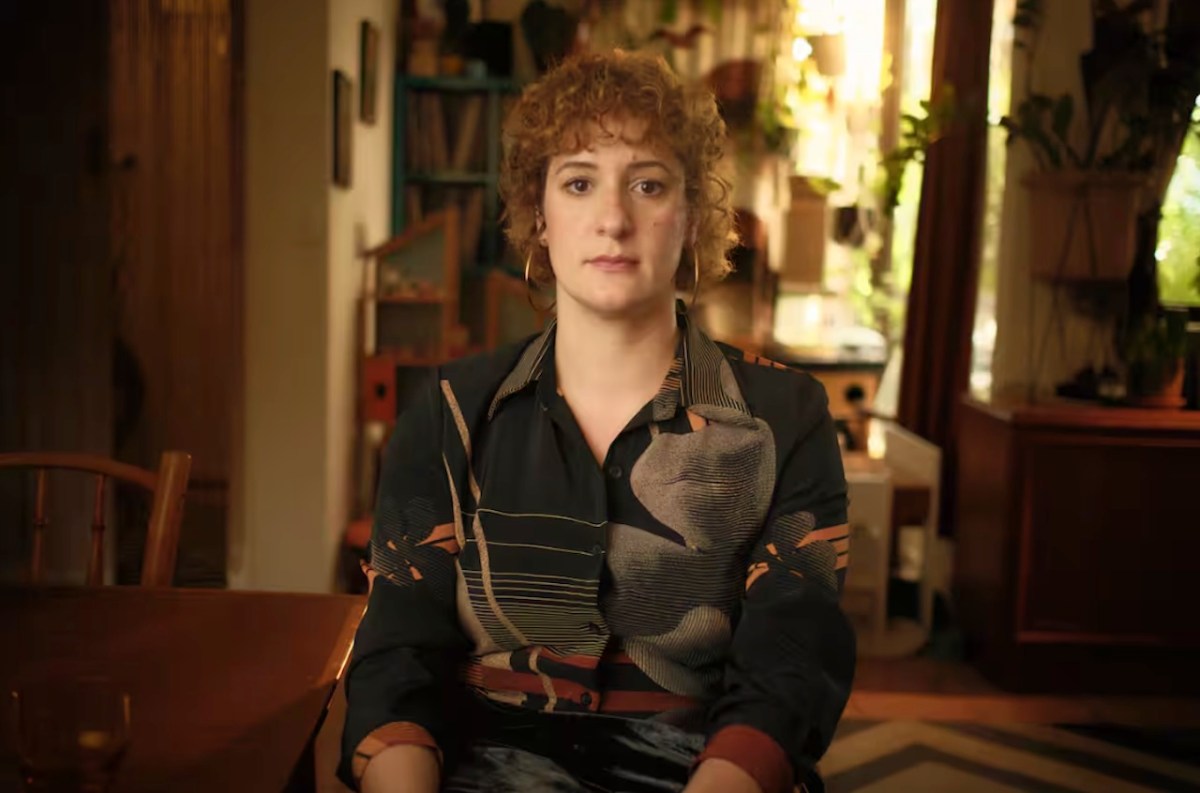
Through it we meet a number of Robodebt victims, some in interviews, others given voice as part of a growing wall of zoom call images. They’re clearly still affected by what they went through as they talk about the shame and guilt they felt as they were caught up in the gears of a deliberately inhuman system.
There’s also the whistleblowers and public servants who weren’t happy with what was going on, and who increasingly realised that Robodebt was driving people to suicide. Outside experts and lawyers provide further context. Outside of news clips, members of the LNP government who put the system in place are noticeably absent.
Seeing and hearing from so many people who fought against Robodebt is powerful viewing. This series eventually becomes a potent depiction of the strength of people power, a community coming together to protect struggling members and right an obvious wrong.
The fact the wrong existed in the first place is another matter entirely; the only way The People vs Robodebt could be improved is if the ending featured the politicians and public servants involved being sent to prison.
The People vs Robodebt airs weekly at 7.30pm on SBS from 24 September, with all episodes available to stream on SBS On Demand.
Discover more screen, games & arts news and reviews on ScreenHub and ArtsHub. Sign up for our free ArtsHub and ScreenHub newsletters.
Actors:
Director:
Format: TV Series
Country: Australia
Release: 24 September 2025