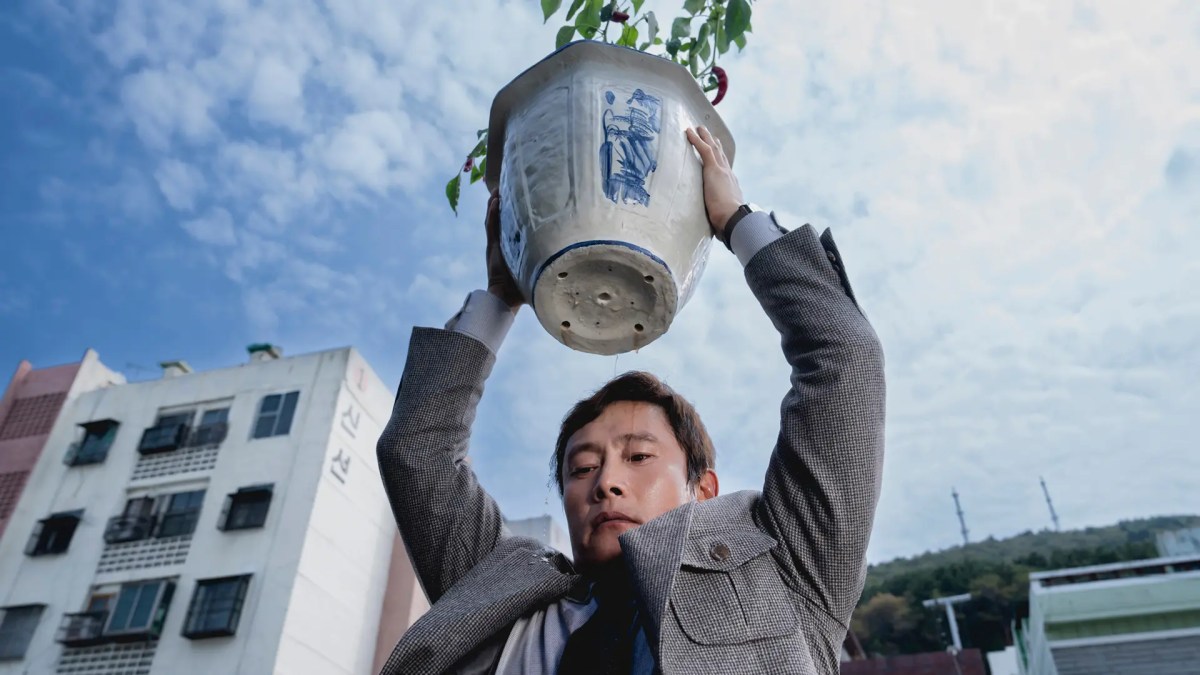
In the opening scene of No Other Choice, Man-soo (Lee Byung-hun) happily cooks eel for his family. The eel is a present from the new American owners of the specialist paper factory where he works, and it was delivered with a note thanking him for his 25 years of dedicated service. Man-soo has taken this gift at face value, but those of us who have gotten a little too used to corporate speak know that ‘thank you for 25 years’ is the language of a redundancy notice.
Man-soo, unaware of the movie he’s in, gathers his wife Lee Mi-ri (Son Ye-jin) and two children in a loving embrace and the camera tilts up so that we can appreciate their gorgeous home as clouds roll in overhead. No Other Choice, the new film from the South Korean master director Park Chan-wook, is not a subtle movie.
After losing his job – the new owners had ‘no other choice’ but to cut him – Man-soo finds himself unable to find secure new work. It’s an overcrowded market, rife with redundancies, and after a full year of failing to find a way back into the specialist industry he built his career in, Man-soo concocts a dangerous plan.
No Other Choice – quick links
No Other Choice: turning corporate speak on its head
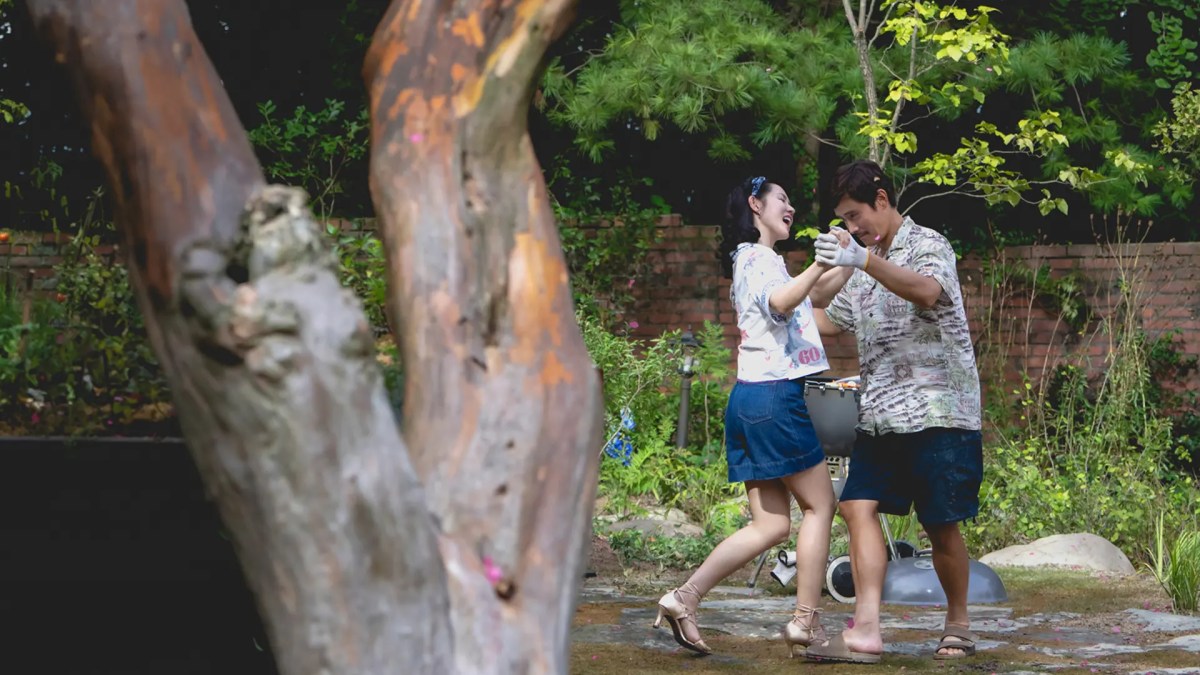
Man-soo sets his sights on Moon Paper, a local paper manufacturer that is expanding its operations into Japan. He decides the only way to ensure they hire him is to eliminate the competition – to track down and kill any potential candidates with stronger resumes than his own, while also ensuring that a position opens up at the company. As Man-soo puts it in a repeated refrain, he has ‘no other choice’.
It’s a darkly funny premise, taken from the 1997 Donald Westlake novel The Ax and previously adapted for film in 2005 by Costa-Gavras (who receives a dedication in the film’s credits).
Director Park leans hard into the metaphor here. The paper industry could be a stand-in for any artistic endeavor, and the production of beautiful, hardy, well-made paper, crafted by people who have dedicated their professional lives to making something beautiful and meaningful (or have at least convinced themselves of this fact) makes total sense.
It follows, then, that No Other Choice is a movie of exquisite craft.
Creature comforts and animal instincts
Director Park has always had an uncanny knack for environmental storytelling, from the scungy hotel room and infamous hallway of Oldboy to the immaculate library of The Handmaiden, and No Other Choice is similarly rich in its use of setting to depict of class and comfort.
Man-soo and his family continue to live beyond their means in an old family home that he repurchased and renovated as an adult. His refusal to cede any of the comfort he has worked so hard for is both familiar and frustrating.
Faced with the beauty of his life – and the devastation of what he may lose if he doesn’t secure another high-paying job – it’s easy to understand how Man-soo has come to believe that his life is worth killing for. But of course, the film does not come down in favour of becoming a serial killer so that you can secure a job at a paper factory.
Park handles dark themes with humour
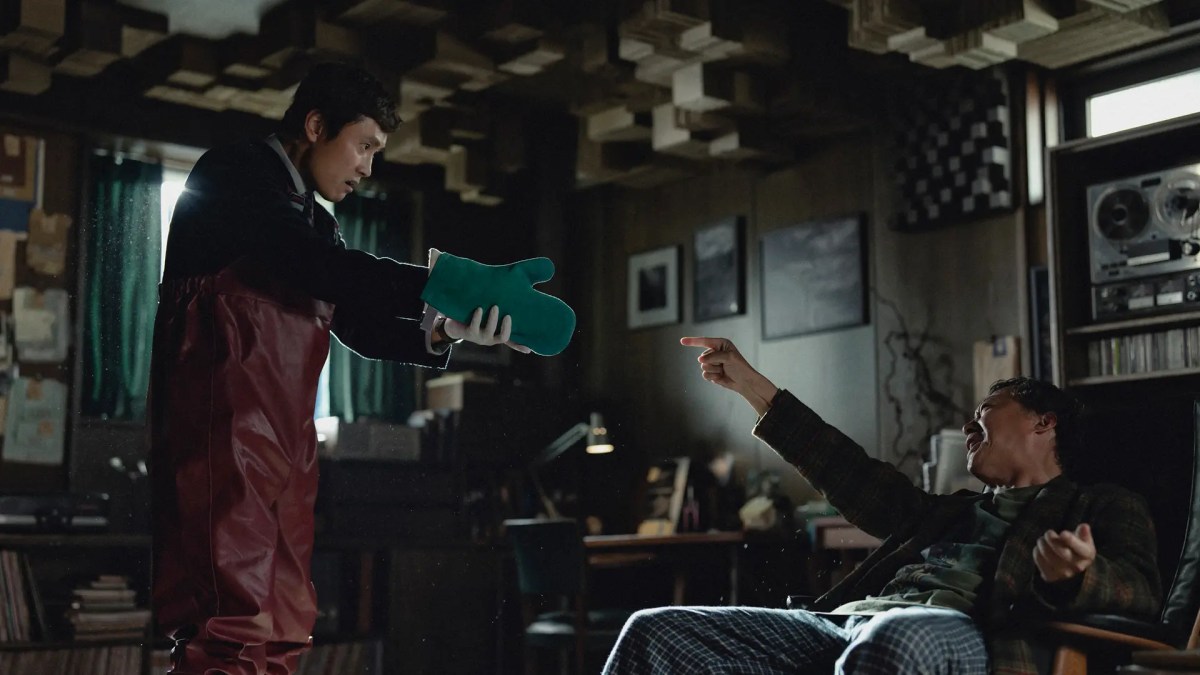
The script is not as twisty and challenging as some of Park’s earlier works. No Other Choice is certainly easier to follow than the director’s excellent previous film, Decision to Leave. There’s also no hint of the bleak violence of the vengeance trilogy formed by Sympathy for Mr Vengeance, Oldboy and Lady Vengeance. To call No Other Choice lighter would be accurate but also misleading: this is a dark movie, but rendered with a lot of light and humour.
There’s always been an element of comedy to the director’s work, but No Other Choice is his funniest to date. Lee Byung-hun, in particular, leans into the ridiculousness of it all, contrasting the bumbling foolishness of Man-soo against his own meticulous dedication to appearing serious and sophisticated.
Man-soo, in fact, has other choices, but the audience can see this much more clearly than he can. His character grows more and more unlikeable as the movie progresses, but it’s hard not to be pulled in by Lee Byung-hun’s compelling presence.
Tonally, No Other Choice is performing a tough balancing act, like walking along the edge of a piece of paper, but in the hands of Park and cinematographer Woo-hyung Kim, it feels effortless.
It’s not just that it looks great, or has a smart script, or is well-acted – although all of that is true. There’s something ineffable about this film. To put it simply, this is a movie by one of the modern masters of cinema, and there’s a level of command over cinematic language here that is simply breathtaking.
Park first announced this project in 2009 and the specifics changed several times over its development, but the end result has a lived-in quality, as though the director has pulled exactly what he wanted out of his own head and put it on the screen.
Man-soo has a gorgeous greenhouse in his yard where he meticulously tends to his bonsai trees. It’s a potent metaphor for the fussiness and attention to detail involved in making art, and it could not feel more relevant.
No Other Choice is fully in conversation with itself and this current moment in time, weaving together so many different themes and ideas without ever losing track of either the plot or the larger emotional truth it’s being made in pursuit of.
I would not go so far as to call No Other Choice Park’s best movie – I don’t know if anything could possibly surpass The Handmaiden – but it’s nevertheless a masterpiece.
No Other Choice is a movie that approaches the moment of its own arrival head on as redundancies rock media outlets, commercial opportunities for artists dry up and creative industries are undermined by the false promises of AI generation. It’s a cynical and blunt film that does not suggest that there’s a way out of our societal predicaments but it’s also a reminder that, despite everything, true art is still being made.
No Other Choice releases in Australian cinemas on 15 January 2026.
Discover more screen, games & arts news and reviews on ScreenHub and ArtsHub. Sign up for our free ArtsHub and ScreenHub newsletters.
Actors:
Lee Byung Hun, Son Yejin, Park Hee Soon
Director:
Park Chan-wook
Format: Movie
Country: Republic of Korea (South Korea)
Release: 15 January 2026
