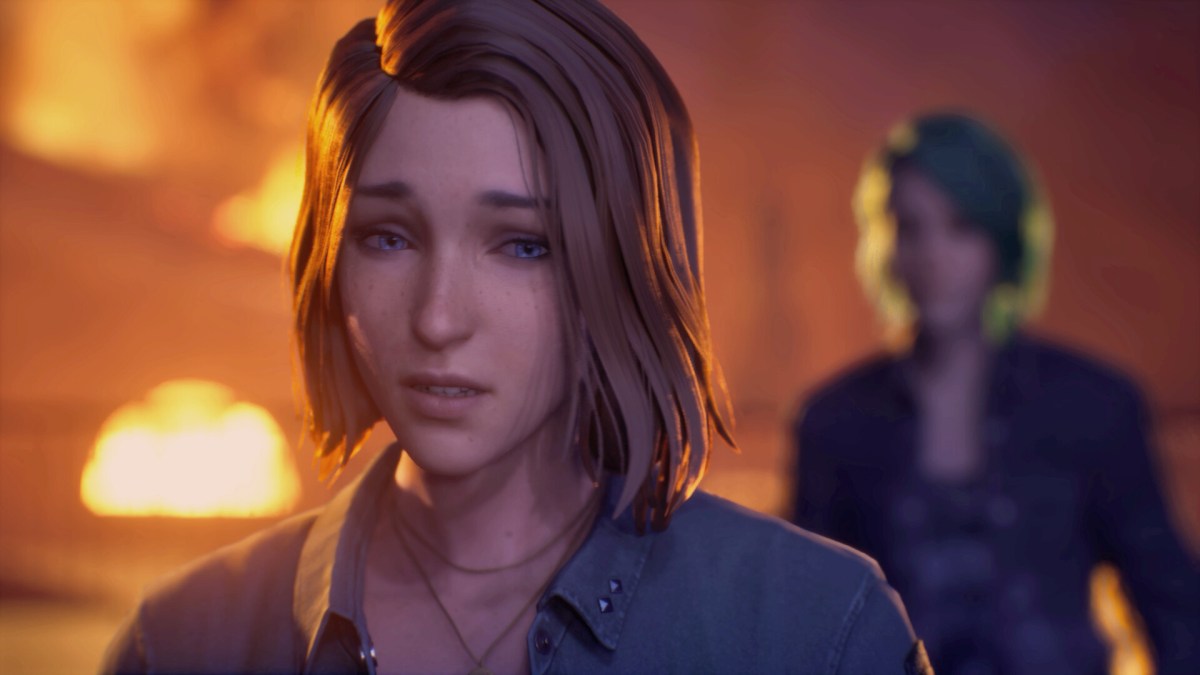
I greatly enjoyed Life is Strange: Double Exposure, the game immediately preceding Reunion. This sequel, which returned the franchise focus to original protagonist Max Caulfield, presented a new take on world-ending calamity, and the power of friendship.
Across dramatic chapters, Max attempts to save the world once more, with her investigation into the death of her friend Safi eventually leading to a surprisingly magical conclusion.
Unlike other Life is Strange games, the ending of Double Exposure suggested future adventures would lean away from grounded superheroism, and instead focus on new super-powered individuals saving a weirder world.
The strangest thing of all is that Life is Strange: Reunion drops these threads entirely, erasing the curiosity of Double Exposure. It instead offers cosy ‘fix-it’ fan service in a slower-moving tale.
Life is Strange: Reunion review – quick links
Life is Strange: Reunion still features some of the best parts of Double Exposure
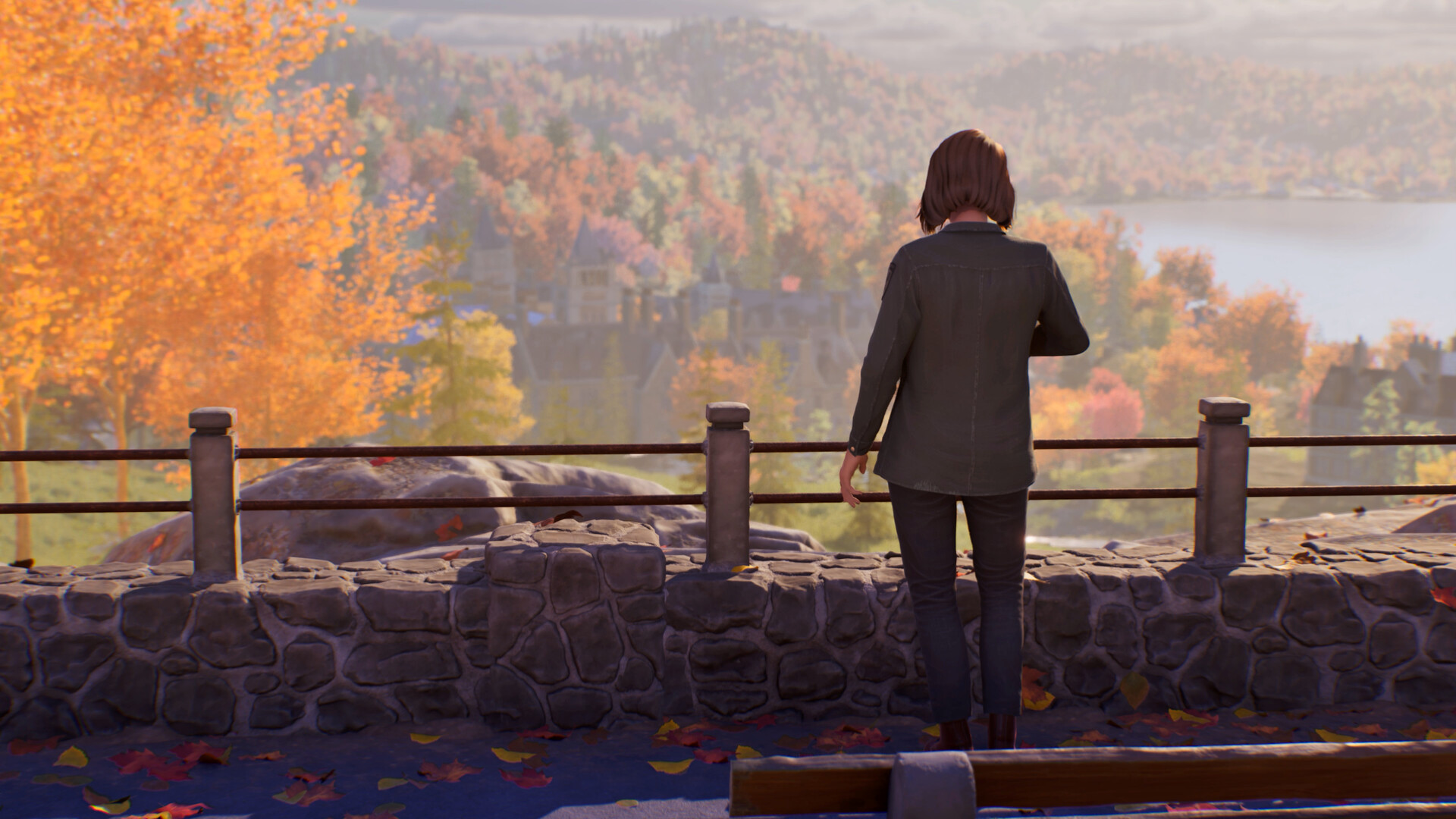
A lot of what made Double Exposure so interesting remains in Life is Strange: Reunion.
Hannah Telle is a joy as Max Caulfield, bringing nuance to layered dialogue. While there is the occasional cheesy line about alternative universes and magical reality, Reunion mostly gets away with it, thanks to its talented voice cast.
The game is supported by strong writing across the board, with complex and mealy-mouthed concepts of magic dealt with fairly well, in a grounded manner. That’s much-needed, as this game is very dialogue-heavy, and far less action-oriented than expected.
You’ll spend much of your time solving puzzles by talking to people, using Max’s ability to rewind time to redo conversations that don’t go the way you want.
There’s also a compelling central mystery to guide this dialogue, although one that’s arguably less exciting than the murder mystery of Double Exposure.
Here, the game opens with Max stumbling across a fire on the campus of Caledon University. In panic, Max rediscovers her ability to rewind time, and she’s sent back a few days before the fire, to determine the cause and maximise the number of people she can save.
This set-up is almost immediately derailed by the return of Chloe Price, Max’s best friend and possible romantic partner. At the end of the original Life is Strange, the ‘good’ ending sees Max sacrificing Chloe for the survival of her home town, while the ‘bad’ ending sees Arcadia Bay destroyed so Chloe can live.
Life is Strange: Double Exposure attempts to ‘both sides’ the original game
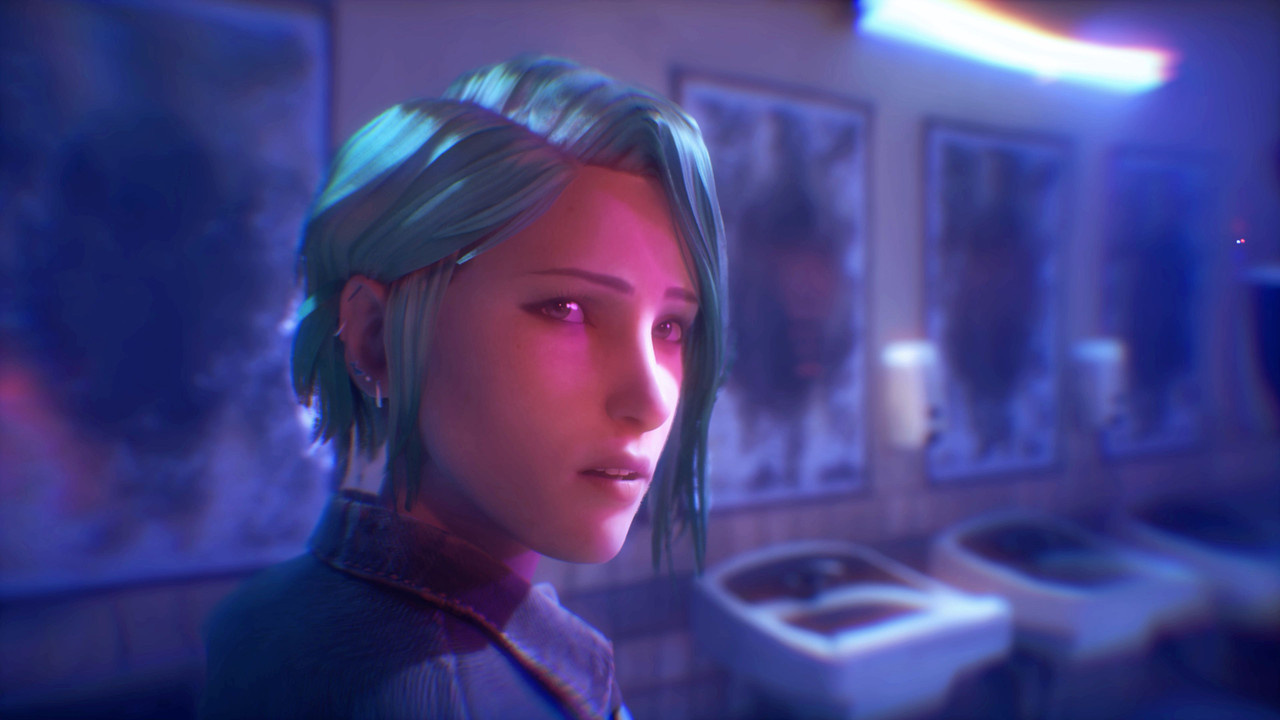
You can determine which outcomes resulted from your own personal playthrough as you kick off Reunion, but the generally considered ‘canon’ ending of Life is Strange is that Chloe dies for the good of many, at great cost to Max.
Reunion aims to solidify both endings as canon, to the detriment of the original game’s impact. Chloe Price appears randomly in the story of Reunion, with her appearance waved away as being a consequence of Max messing with the timeline in Double Exposure.
Don’t worry about it. Chloe is here, Max is happy, and they both get a new shot at a happy ending.
For fans of the franchise that fell in love with Chloe and Max’s relationship in the original game, who formed a personal connection with their story, Reunion delivers ample fan service.
Amongst the fan-fiction community, there’s an entire subgenre of stories called ‘fix-it fics’ that are determined to fix character relationships or plot points the author disagrees with. There’s elements of this approach here, with Chloe and Max presented an entirely new, entirely unexpected opportunity to reconnect and forge a brighter future.
While there’s nothing inherently wrong with a little indulgence, and I’m sure there’s fans that will be happy to see Chloe make her grand return, the issue here is that she derails much of the set-up of Double Exposure, and that she makes little impact on the overall story of Reunion.
It feels mightily like Chloe’s inclusion is tacked on to a story that was never meant to be about her – perhaps as a result of initial frustration with Double Exposure, and how it continued Max’s story with Chloe in the rearview.
Double Exposure presented a new version of Max who had moved on. Who had grown from her experiences in Arcadia Bay, and was ready to forge new friendships, and even embark on a new relationship, depending on player choice.
As Reunion dawns, much of this progress has been stifled. Her burgeoning relationship with bartender Amanda hasn’t made progress. Her friend Safi, who monologued about becoming all-powerful and finding others with super-abilities to end Double Exposure, becomes a background character with little purpose.
What’s worse is that Chloe is a stand-in for the plot. She could be any other character. It seems like she could even have been Amanda, before possible rewrites to tailor the story to an outspoken audience. Chloe Price appears, there’s sweet scenes between her and Max as they reckon with their shared history, and then Chloe’s uniqueness in the story fades.
She becomes another foil for the plot, as threads unravel about mysterious cults and university conspiracies.
Was it worth it, in the end?
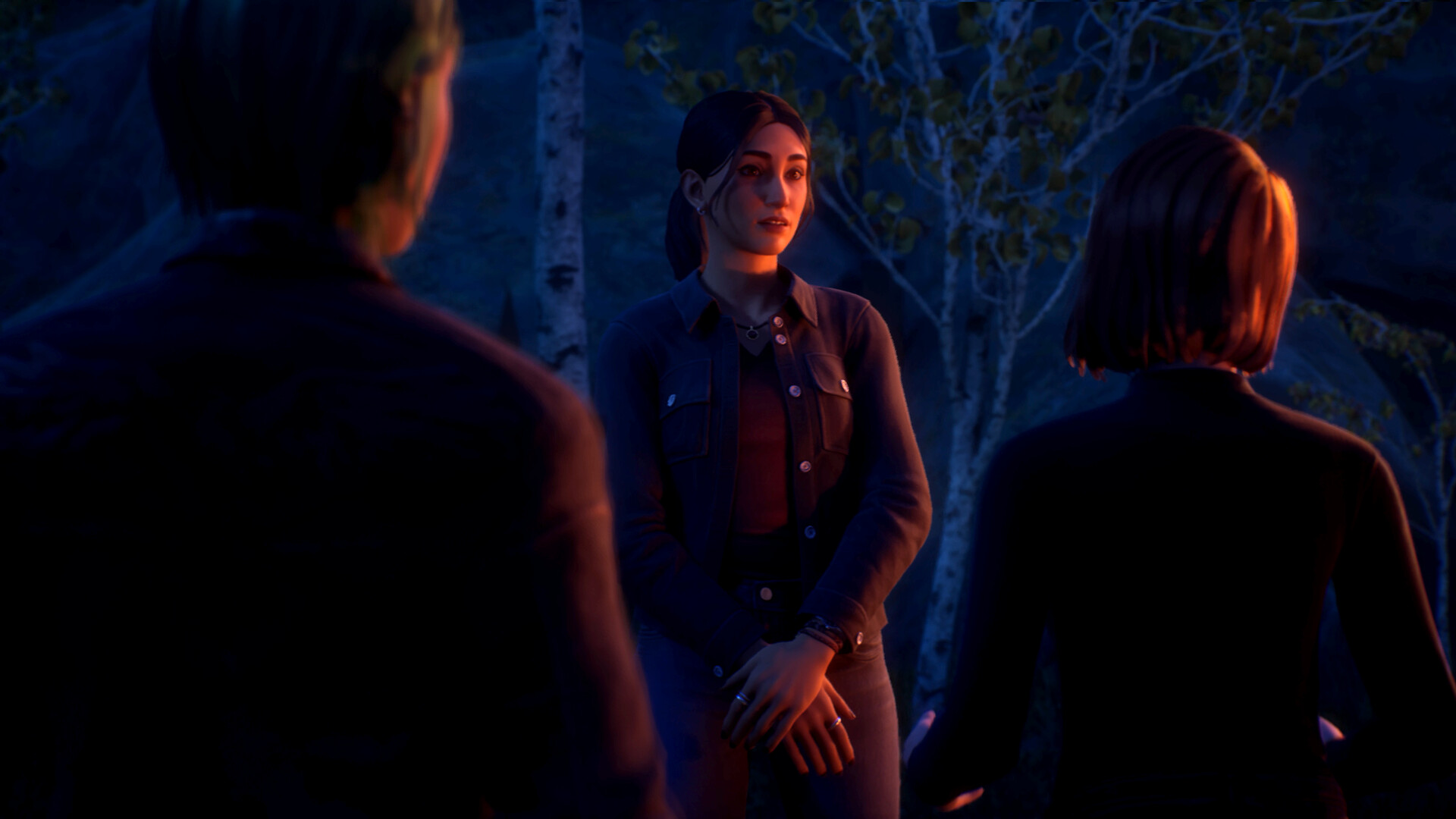
There are moments when Life is Strange: Reunion justifies the appearance of Chloe Price. For those with a connection to the original game, it’s sweet to see Max and Chloe get another layer of closure to their story.
One particular cosy scene set on a lake allows players to right some wrongs of the past. There’s opportunity here to rewrite the pair’s destiny, in a way that only somewhat dulls the impact of the original story.
But overall, the decision to return Chloe Price to the new timeline established in Double Exposure does feel like a weaker choice. Double Exposure was bold and confident, setting out a new chapter for Max that felt like a natural evolution. Reunion walks back a lot of that development, in a way that makes it feel like a disjointed sequel. In a way that suggests changes behind the scenes dictated an alternative approach, perhaps even driven by reportedly low game sales for Double Exposure.
The reason for Chloe Price’s appearance likely won’t be explained, but there are assumptions to be made.
Here is a game that attempts to revisit what made the original Life is Strange so popular, that sacrifices the integrity of Double Exposure and its boldest ideas, for a softer, less punchy adventure, with fewer things to say. Seeing Chloe and Max together again is aggressively nice, but Reunion leaves so many threads dangling that it’s hard not to question what the game could’ve been instead.
A PC code for Life is Strange: Reunion was provided by the publisher for the purposes of this review.
Life is Strange: Reunion is out now for PC, PlayStation 5, and Xbox Series X/S.
Discover more screen, games & arts news and reviews on ScreenHub and ArtsHub. Sign up for our free ArtsHub and ScreenHub newsletters.
Developer
Deck Nine
Publisher:
Square Enix
Release Date:
26 March 2026