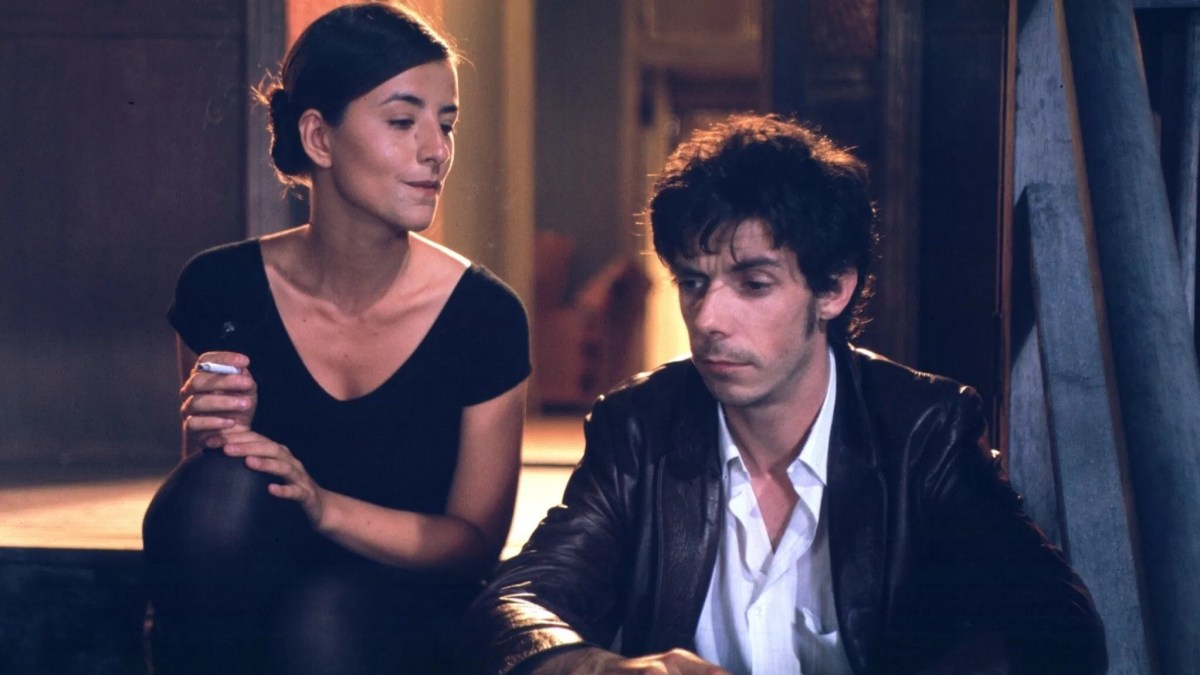
He Died with a Felafel in His Hand was clearly not intended to be a prediction of the future of living across Australia. But by happenstance, and the relative failure of the housing market, it now exists as a relatable parable about all the strange people one might meet, trying to live and survive as a creative while renting.
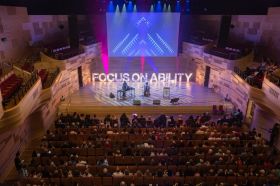
At Sydney Film Festival 2026, a 4K restoration of this film aired, with developer Richard Lowenstein on board for an introduction along with a post-screening Q&A that revealed just how well it’s aged, and that it’s perhaps now unintentionally funnier and more relatable than it was when it first released in 2001.
As Lowenstein said, He Died with a Felafel in His Hand has somehow ‘matured’ over the years since its release, with time and circumstance reducing some of its intentional absurdity, or at least making it more appealing to the typical gallows humour of millennials and Gen Z.
He Died with a Felafel retrospective – quick links
No longer as strange as it once was
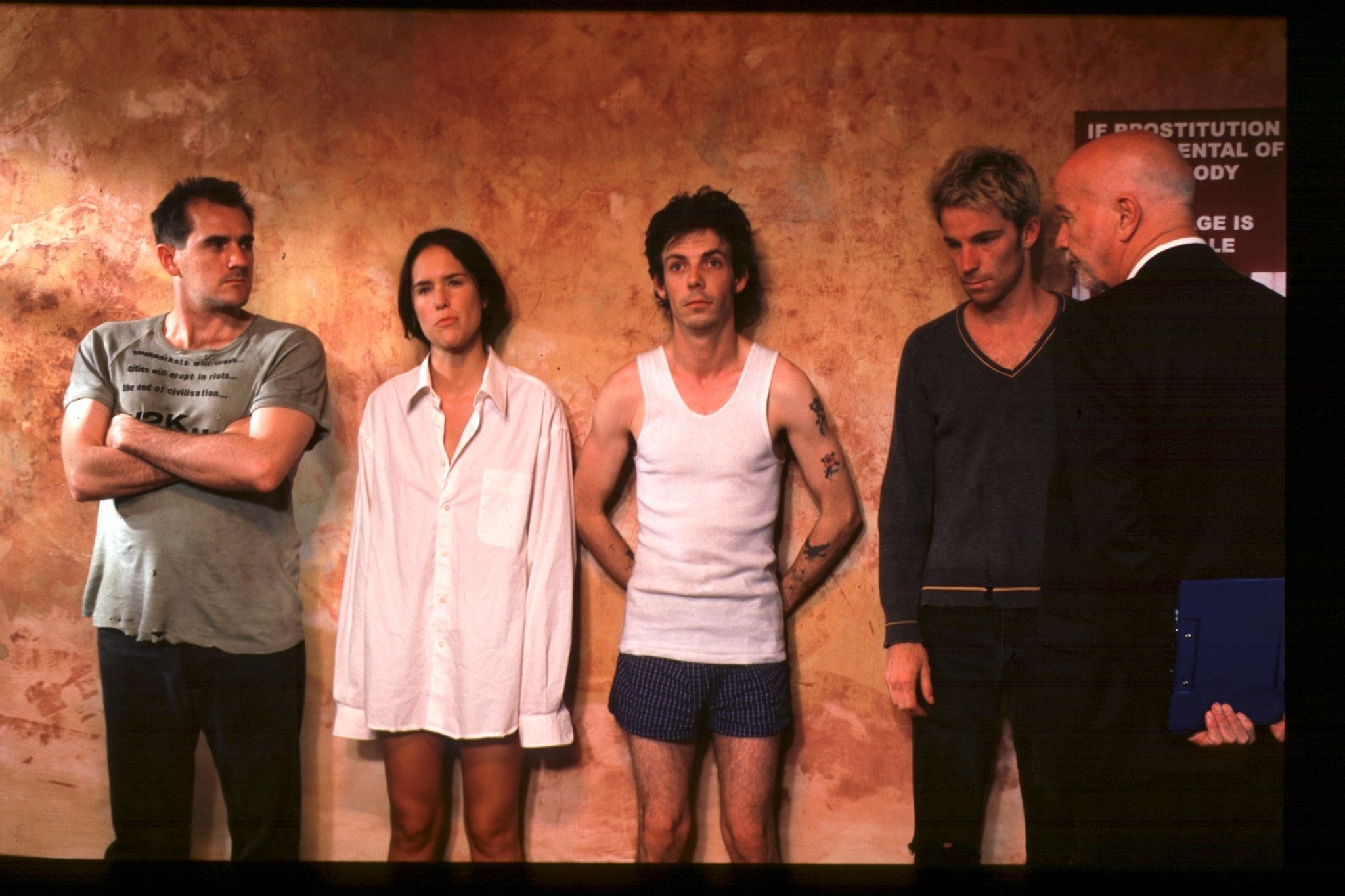
During the Q&A, one audience member shared they found the film funny because they’d seen so many similar types of people in their own renting circumstances and what was presented as different or strange at the time was no longer.
That a group of creatives and society outliers might band together to rent a house has now become the accepted norm, although without some of the additional bells and whistles seen in the film.
As inspired by John Birmingham’s book of the same name, He Died with a Felafel in His Hand is a story about creative people just trying to get by in the real world. Viewing it in retrospect reveals that while things have changed, the situation is still very much recognisable.
The Australian version of the starving artist stereotype
Danny (Noah Taylor) leads as a writer whose trusty typewriter is still more than it’s in action. As Virginia Woolf once said, you need a room of one’s own to really write from the heart, and Danny suffers from living in a string of share houses filled with verbose, loud characters who constantly interrupt his work – or at least, that’s the excuse he gives himself for why he’s not actually writing.
The real answer is more complex: Danny has recently broken up with his partner, and he’s struggling with his place in the world. He’s heading to the end of his 20s and he’s still living in a share house in Brisbane without a job to sustain himself, or any support to lean on beyond that offered by his eccentric band of housemates.
While share houses were common in the mid 90s when the book was first published, the 2001 movie adaptation underlines this as something to be ridiculed. The thought of idling in a share house at such an age is presented as a failing – and not, as it is now, simply the new normal for many young Australians.
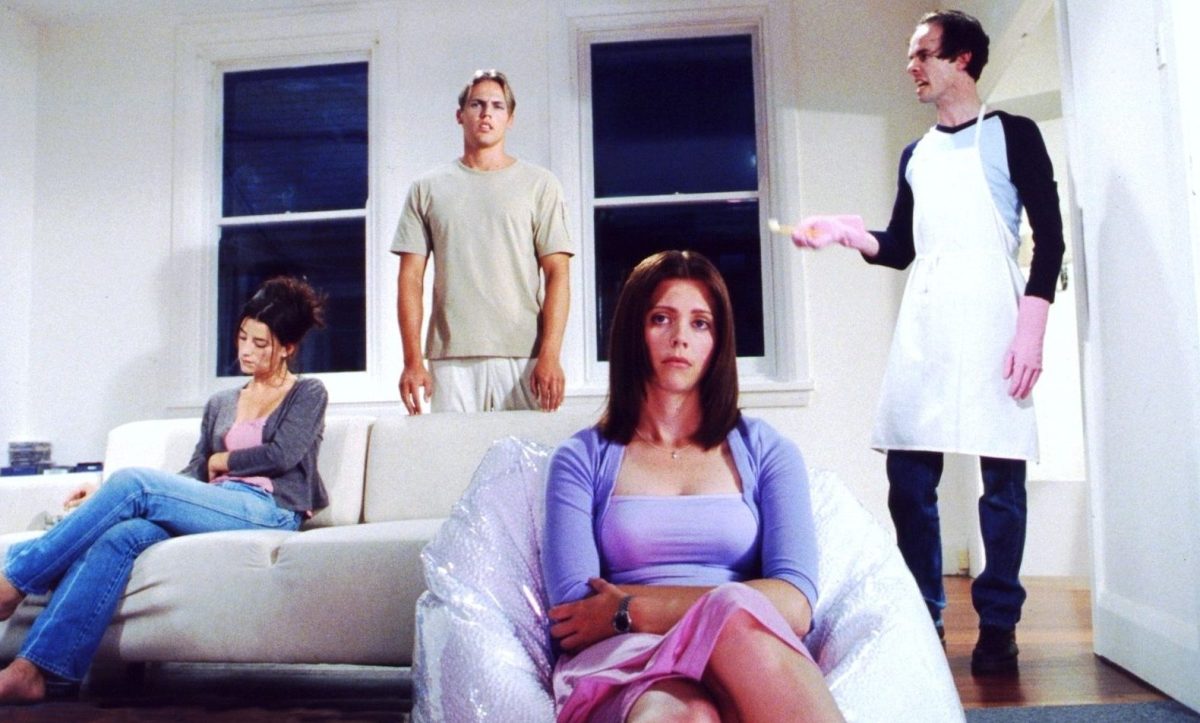
In any case, Danny presents a relatable stereotype for those young creatives who still strive for a sustainable career in Australia – writers seeking publication, actors looking for work, and artists seeking their next exhibition or commission. It’s strange to see how little this has changed – that Danny ends up at Centrelink for support, or that work constantly dances out of his fingertips in a highly competitive market.
The only real difference here is that Penthouse is no longer paying $25,000 for an article, and that Danny’s situation has now become much worse for writers seeking employment – because in addition to a real lack of work, renting is also now barely affordable.
The real fantasy here is being able to aspire to be a writer while still having some food on the table.
ArtsHub: More Sydney Film Festival news and reviews
He Died with a Felafel in His Hand could easily have been made today
Danny’s circumstances are heavily relatable – if not his exact situation, then his desire to create and to keep reaching for a dream even when the world pushes back.
Taylor’s performance embodies many young male writers you’ll meet: confident on the outside and determined to make a name for himself but soft and unsure inside. He bluffs that he’s good with women – he makes them go gaga, you see – and believes his words will rescue him from his increasingly dire living circumstances.
His goal to be published leads him by the nose through a string of share houses and personal dramas, all of which ratchet up his desire to write the one story that will get him out.
He winds up living with a manipulative cultist, an English immigrant seeking purpose and closeness, a drug addict who enjoys a good felafel and a string of off-kilter friends who end up embroiled in crime and other shenanigans.
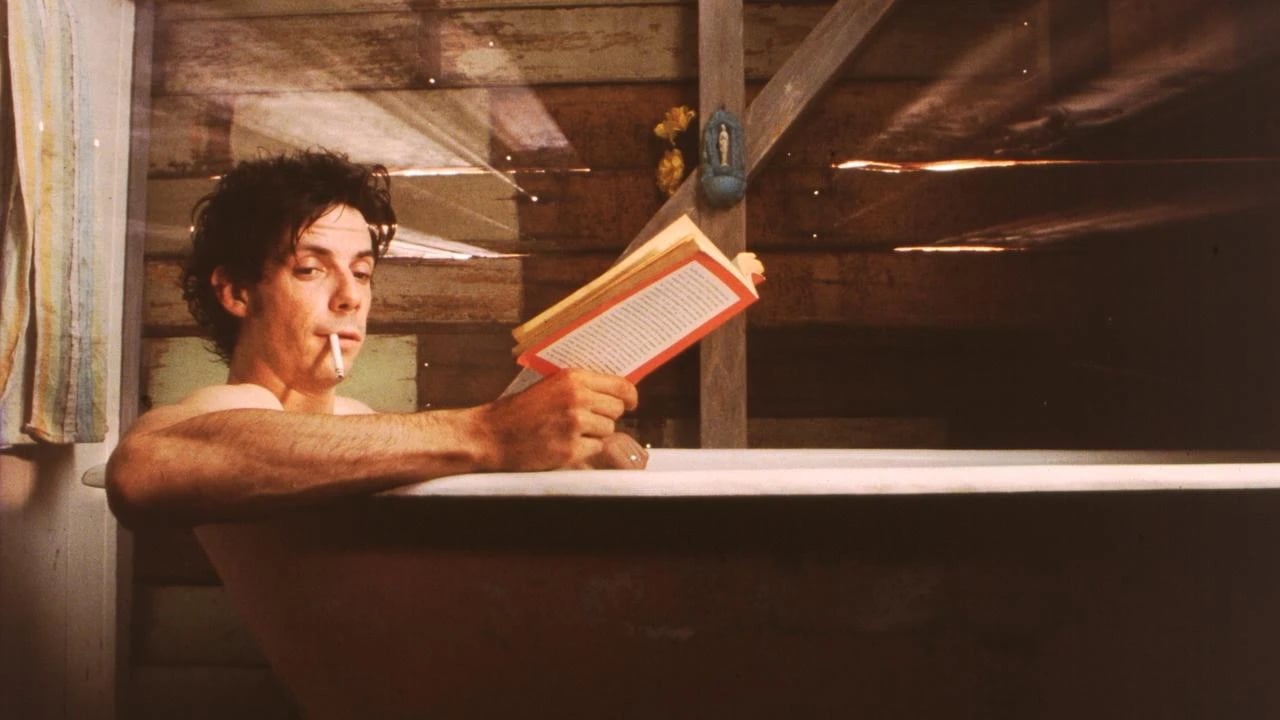
Life happens to Danny and he watches it all go by, hung on the idea that writing will be his path to a better life. It’s only in the titular felafel death that Danny gains some semblance of clarity, and realises he must haul himself out before he meets a worse fate.
In 2026, as Lowenstein attested, He Died with a Felafel in His Hand is a far more mature, insightful and funny film, as circumstances for creatives have evolved in a way where things have changed, but remain so recognisably same-ish. Danny’s struggle, reflective of the journey of novel author John Birmingham, could be told today at a local pub.
For those in creative industries, we likely all know a Danny. We could be the Danny in these circumstances, putting up with esoteric roommates with odd proclivities, to survive through increasingly growing cost-of-living pressures.
It’s not ideal, but the current economic circumstances mean He Died with a Felafel in His Hand could easily have been made today, perhaps with that Penthouse payout amended significantly. The 4K restoration screening during Sydney Film Festival 2026, which sharpens and brightens the original film, adds to that sense of modernity.
For a first-time watcher, for someone who is a working writer, He Died with a Felafel in His Hand has left an immense imprint. On the year of its 25th anniversary, it feels brighter than ever, having aged into a form that’s mature and funny in a way that many will relate to.
Jokes not intended to be so funny at the time will appeal more to those with a darker sense of humour, mutated by the troubles of the modern world. And in Danny, audiences discover a character that might once have been more of a stereotype, made realer two decades later.
He Died with a Felafel in His Hand is a prescient film, and one that is now essential viewing for anyone working (or aspiring to work) in a creative field.