Freeplay is one of Australia’s longest-running and most important independent games festivals. That’s a fact. Since 2004, a revolving door of talented creatives have curated festival iterations and spin-offs that have elevated Australian and international game makers, providing a significant platform for them to share bold, creative, original works with a wide audience.
Year-on-year, the festival supported multiple generations of developers as they experimented, as they learned and grew. And each year, Freeplay grew bigger and bolder in its ambitions, growing from small shows taking place warehouses to sparkling presentations in Melbourne’s Town Hall.
It was a growth well-earned, with the last decade of Freeplay shows being absolute spectacles, filled with an inspiring array of games, sparking countless conversations and renewed ambitions.
Even against the backdrop of overarching industry gloom – brought on by slowing funding opportunities and economic downturn – Freeplay existed as a bright salve. A reminder that creativity is even more important in darker times.
Freeplay needs support in 2026 – quick links
Freeplay announces uncertain future
In a post on its website, Freeplay has confirmed that the future of the festival is unclear, as organisers have not been able to secure funding for 2026 and beyond. The organisation has had to let go of its two part-time co-directors – Mads Mackenzie and Louie Roots – and plans for this year’s show will need to be reshaped.
Read: The future of games festival Freeplay is in doubt after major funding loss
Should this be the final curtain call for Freeplay, it would be an incredibly unfortunate outcome. Over two decades, the festival has risen to become one of the most important creative institutions within the Australian game development scene, providing opportunities for developers across the country (and from other regions) to showcase their games on a bright stage.
Since beginning my career as a games journalist, Freeplay: Parallels has been a bright, shiny event on my calendar – one of the headliners of Melbourne International Games Week. While smaller in scope than other events, like the flashy, public-facing PAX Aus, or major activations across Melbourne’s CBD, Freeplay always delivered a show with major impact.
Highlights from past Freeplay: Parallels talks
In 2023, a wildly memorable talk by developer Jacob Janerka introduced The Dungeon Experience into the world – a game which is set to launch in 2026 with support from major international publisher Devolver Digital. As one of the first major showcases for the game, Freeplay: Parallels showed off the power of comedy in the world of gaming, and the limitlessness of Australian larrikinism.
That same year, Ally McLean of Mystiques took to the stage to illuminate the pleasures of spotlighting terrible women, and allowing them to revel in their true nature. McLean’s talk was on the diverse nature of girlhood and allowing women to be all things, and nothing at all – to allow them to have the freedom to choose.
In 2024, an inspiring talk from Van Sowerwine and Isobel Knowles discussed how games can be healing and transportive. The game they revealed, The World Came Flooding In, is a 20-minute interactive documentary that sends participants into liminal memory spaces where they can work through traumatic events, literally piecing their past together. It was a talk that highlighted the power of games to aid in the grieving process and invite some measure of closure.
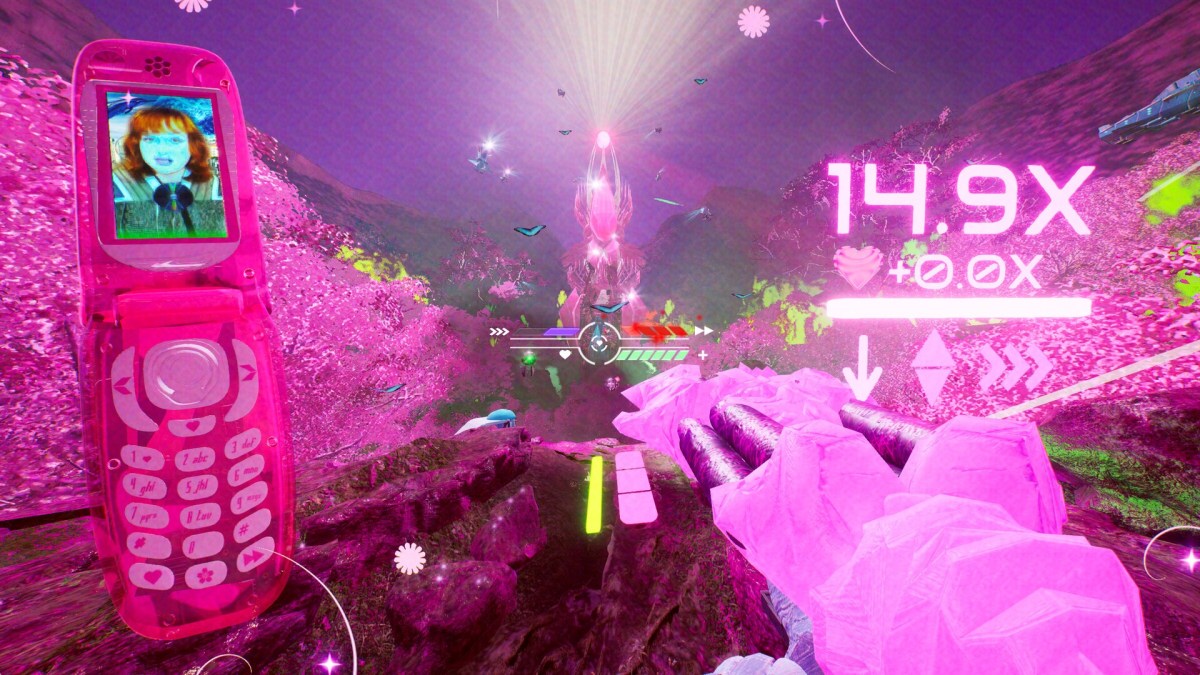
Jane Fiona Kennington also delivered a talk that year, about the development of the soon-to-be-released Don’t Stop, Girlypop! While on the surface this game is simply a pink-coloured, hyper-paced, first-person shooter, Kennington’s talk highlighted that it also reflected her gender transition. Over the years, and through various game iterations, Don’t Stop, Girlypop! became a reflection of Kennington’s personal journey, with more of her personality bleeding through in the game’s final design. It was a beautiful, evocative talk that underscored how games can reflect personal discovery and development.
Read: Aussie-made shooter Don’t Stop, Girlypop! to launch January 2026
2024 was also the year of Clownbaby, a game revealed by T-Dog eXtreme. This in-development dating simulator attempts to reckon with the off-kilter and limited perspective provided by modern dating games. While T-Dog shared a funny, light-hearted talk at Freeplay: Parallels, the core focus was on the complexity of human emotion, how anxiety reshapes conversation and how dating impacts the psyche. It was a talk that reassured its audience that their strange, uncanny quirks were what made them human.
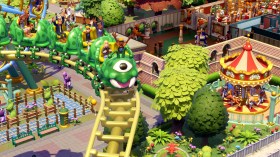
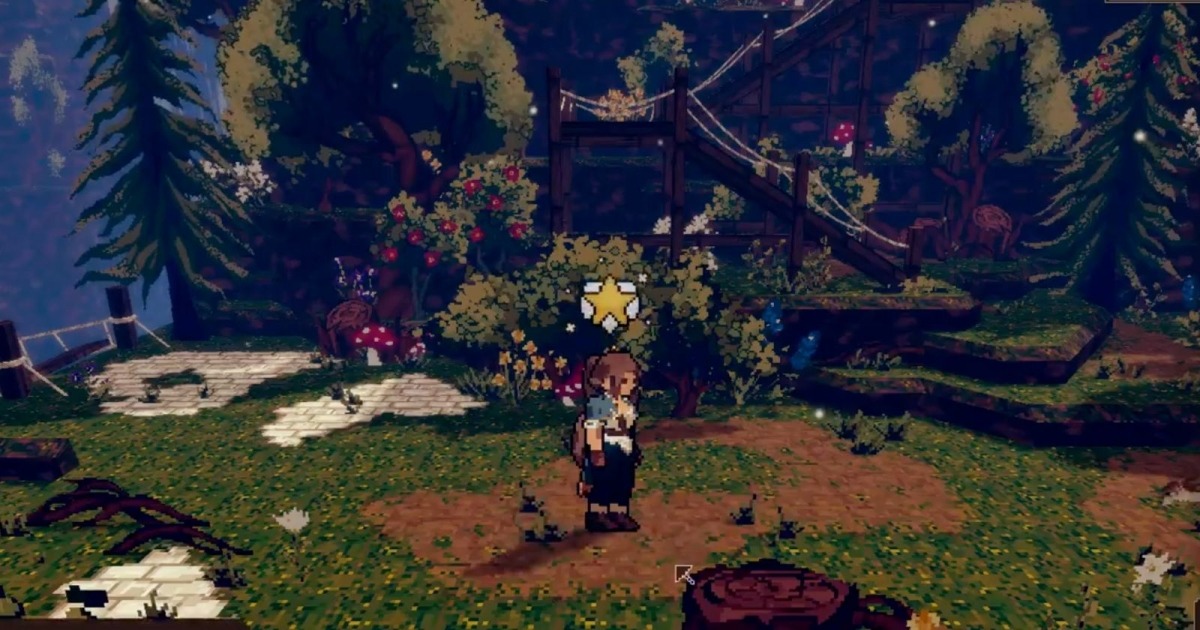
Freeplay 2025 hosted the reveal of Noibs, a game about strange, blobby creatures that inspires players to create whatever they can imagine. The show hosted new footage of Pro Jank Footy, a tongue-in-cheek, all-Australian video game adaptation of Aussie Rules football. Then there was Wyrmspace Tactics, a strategy adventure starring pirates working through trauma. Solo developer Heidi Borge (Sev) talked about the trials and tribulations of solo game development and how a lack of creative bounds leads to limitless potential.
Why Freeplay remains an essential part of Australia’s creative ecosystem
In all of these talks at Freeplay: Parallels, across the years there has been a common theme: one of highlighting the diverse magic and power of video games. This is an entirely unique medium. One that allows players to step into new worlds, to experience new sights and sounds and to have agency over the journey told.
More than being transportive, educating and illuminating for players, video games allow developers to share their passions and their stories. They allow new forms of creativity and self-expression. They make people think.
In recent years, as wallets got tighter, conversations around the importance of culture and the arts have shifted. There’s less of an understanding of the importance of being creative, and of experiencing creative art.
This was a lesson learned long ago, in the era of patrons. Art cuts through shadow. It allows us to expand our minds, to open ourselves up to the possibilities. It allows us to relate to our neighbours. It connects us all. When times get tough, it’s more important than ever to support the arts. To provide a lifeline, and a light at the end of the tunnel.
I have always come away from Freeplay events feeling buoyed by the joy, passion, and talent of those around me, seeing stories that resonate with me, and seeing just how deeply developers care about their art. It’s heartening.
We can’t lose that.
Freeplay’s future is currently in doubt, as a lack of funding means future events don’t have the needed support to continue. There is hope, that with the support of community, the long-running festival still has a future ahead. The only way to guarantee that is to show support, as loudly and as practically as possible.
Freeplay is a festival that feels entirely needed right now. It’s simply too good to let go.