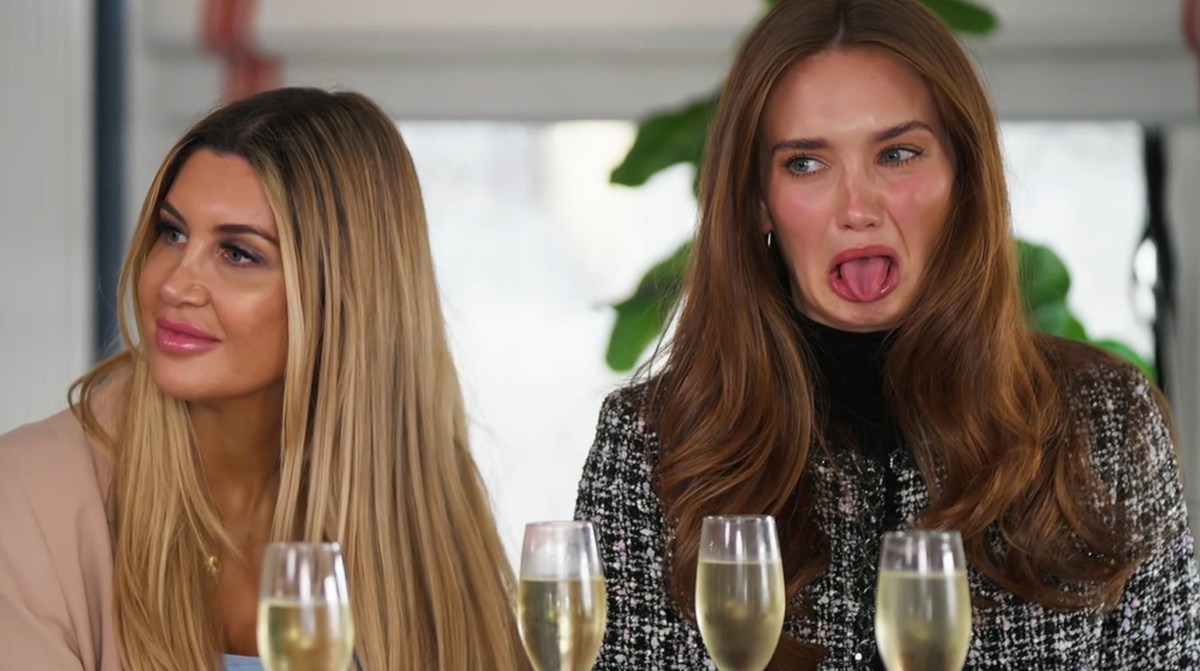
Australian television has an insatiable desire for celebrities. Already this year we’ve had I’m A Celebrity… Get Me Out of Here! on Ten, and coming soon on Seven is Mick Molloy and Glenn Robbins’ new series Celebrity Intervention. And they’re just the shows with ‘celebrity’ in the title.
Once you add in the game shows and panel shows that make up much of the non-reality content on our networks, anyone with any kind of name recognition can just keep on turning up on our screens for months on end.
But where are all these celebrities – for our purposes, defined as ‘people who can be passably entertaining on television’ – now coming from?
Australian TV’s celebrity problem – quick links
The big pause on scouting the next generation of talent
Everybody knows quality celebrities don’t just fall out of the sky. Or at least, we do after watching I’m A Celebrity… Get Me Out of Here!
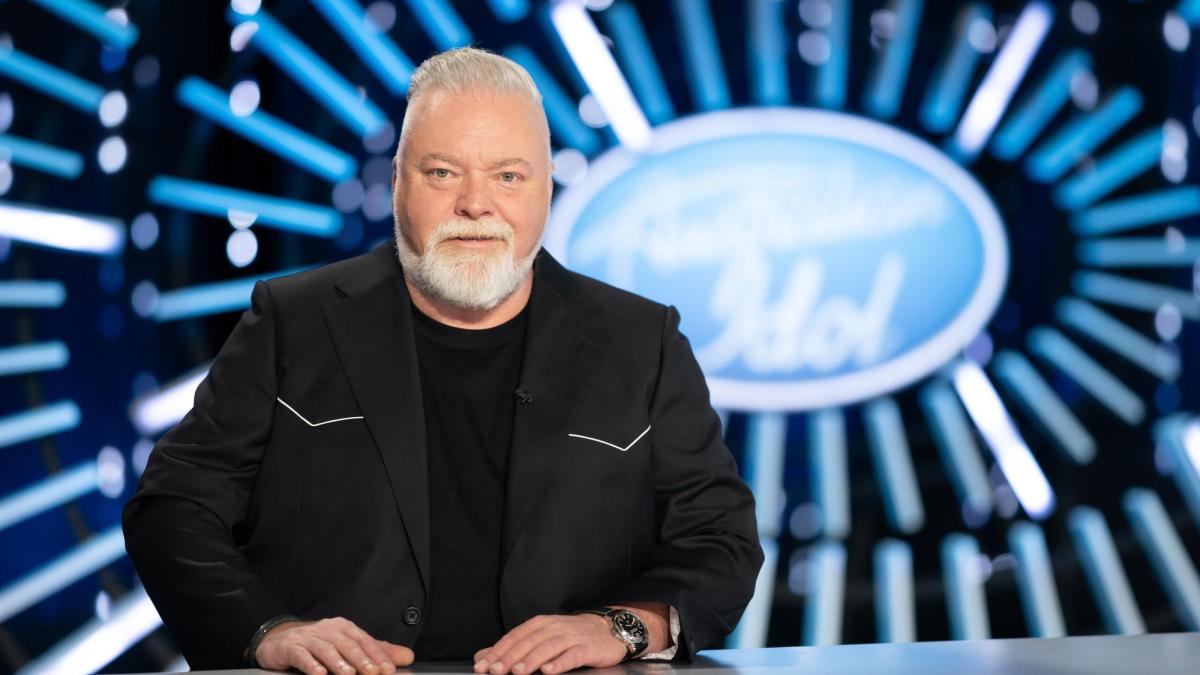
Radio isn’t a sure-fire proving ground – think of how many times networks have tried to make Kyle Sandilands (or John Laws or Alan Jones) work on television. Even stand-up comedians struggle. For every Sam Pang, there’s a dozen Lawrence Mooneys or Marty Sheargolds.
And yet for years now, Australian television has ignored the basic need to create and develop new celebrities. Everyone’s happy to act like the current crop will last forever; we live in a world where people still consider Hamish & Andy ‘new faces’ and Karl Stefanovic is someone we’re still expected to recognise.
Over the last few decades, the old ways of generating celebrities have largely been shut down. The Project, one of the last hold-outs, was axed last year and replaced by a news program. Even Have You Been Paying Attention? has largely stopped uncovering new talent over the last few years. Australian television jobs in general are drying up; no wonder Rebecca Gibney is now a game show host.
The rise of reality TV
The shows that could turn regular guests into familiar faces have been replaced with reality series like Married at First Sight and The Block. The focus there is more on product placement and manufactured drama; finding any kind of long-lasting talent is a long way down the producers’ list.
Still, some of these shows do sometimes get it right. MasterChef has given the nation a few chefs who audiences are glad to see in other contexts. And some people are determined to make it no matter how shaky the launch pad: Abbie Chatfield was a contestant on The Bachelor, getting her big break cracking a joke about astrology to an astronomer.
Most of the time though, those shows chew people up and spit them out. You’re not going to see any of the contestants turn up on Who Do You Think You Are? 10 years from now. The skills required to appear on reality television just don’t translate to the many other television formats that require celebrities; it’s off to nightclub appearances and Instagram clips peddling online supplements for most of them.
Old pathways to stardom are crumbling
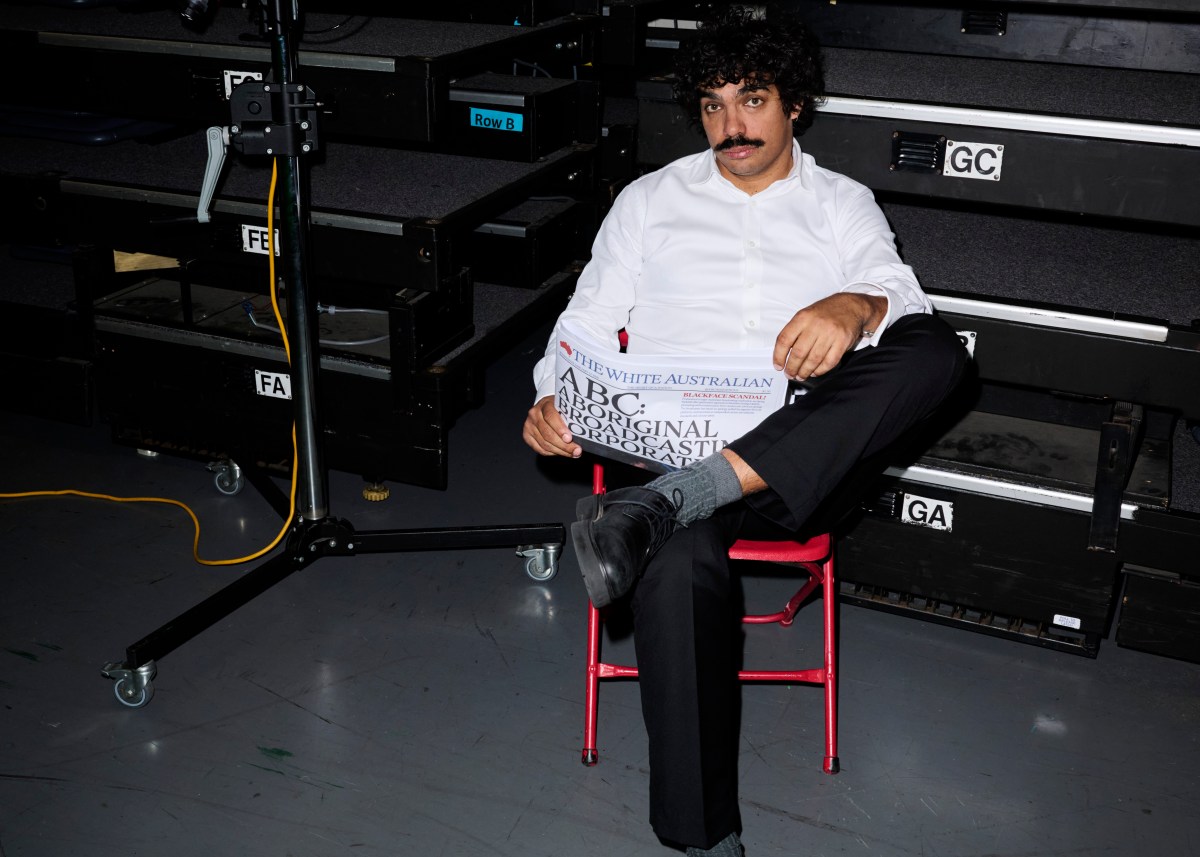
Meanwhile over on the ABC, which does give new talent a look-in on occasion, their last breakout star was Tom Gleeson, who came over from the commercial networks to be part of The Weekly. In fact, the once reliable ABC-to-commercial networks pipeline seems to have gone into reverse, with one-time Project host Charlie Pickering now an ABC lifer and numerous former household names turning up hosting on Radio National.
The ABC’s problem isn’t that they don’t give people air time, it’s that the air time is often on panel shows nobody watches. It’s hard to become a familiar face when your audience is mostly made up of people who can’t find their glasses to look for the remote. Fingers crossed Tony Armstrong can escape that trap.
Even sporting success isn’t enough to make you into a reliable television personality these days. There’s no shortage of sports men and women on our screens, but they’re almost always either being interviewed about sport (if they’re still involved) or commentating on sport (if they’ve retired). They rarely break containment to become the kind of celebrities Australian television needs because there’s no pathway for them to display that kind of talent.
A generation ago there was a range of weekend sports shows that gave sporting identities a way to polish their presentation skills and maybe display enough charm and charisma to push them into prime time. And in prime time there was The Footy Show, which turned a number of AFL and NRL figures into household names… whether the nation’s households liked it or not (two words: Sam Newman).
Not even the networks believe in the future of TV
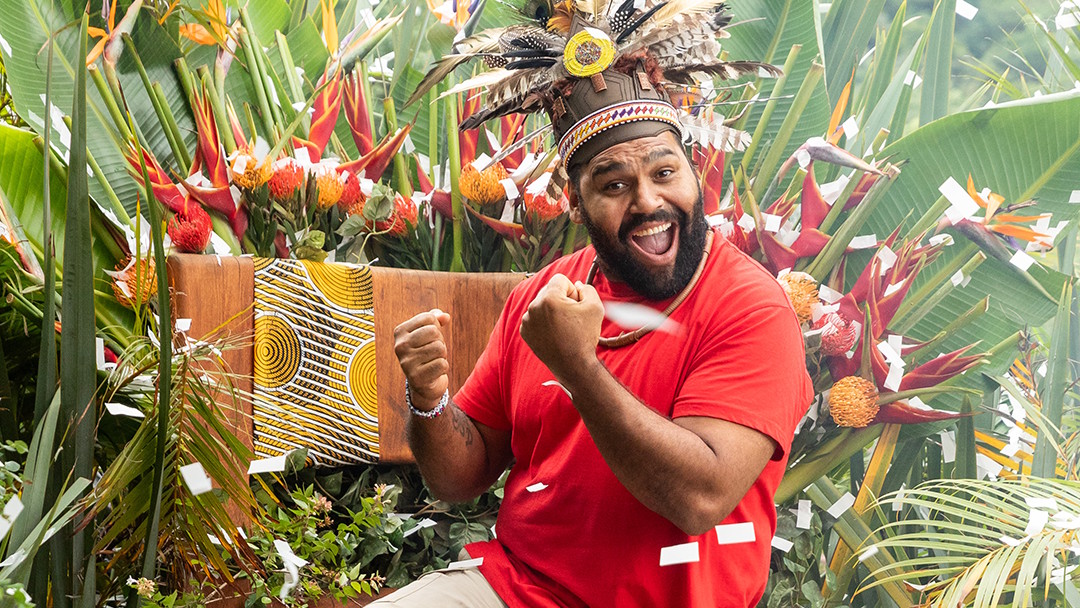
Okay, maybe the old ways weren’t always the best. But without them, all that’s left is a bunch of aging ‘stars’ we’re all sick of, stand up comedians and, in the form of Dave Hughes, both at once. It used to be a joke that nobody knew half the ‘celebrities’ on I’m A Celebrity… Get Me Out of Here!; now it’s just the way Australian television works.
What all this boils down to is a lack of confidence in the future of television. The industry has gone from a generative model where efforts were made to create new celebrities, to an extractive model where they’re happy to just use the existing ones until they’re dried up. Why invest in new talent when everyone will be watching YouTube clips 10 years from now?
And if that becomes a self-fulfilling prophecy – if you don’t put young people on television and young people stop watching television – and the business dies with the current viewers? Then at least management can pat themselves on the back for getting it right.