Most major Australian film festivals covet a lineup of titles straight from Cannes, Berlinale award-winners, high-profile directors and movies screening Down Under before playing to North American audiences.
Sydney Film Festival and the Melbourne International Film Festival thrive on that curatorial mix. The Brisbane International Film Festival has also long relied upon it. In Queensland’s capital city in 2026, however, it’s the five-year-old New Farm Queer Film Festival that’s delivering the goods.
The disappointing loss of BIFF for a year, ‘to lay the foundations for a new operating model’, is NFQFF’s gain.
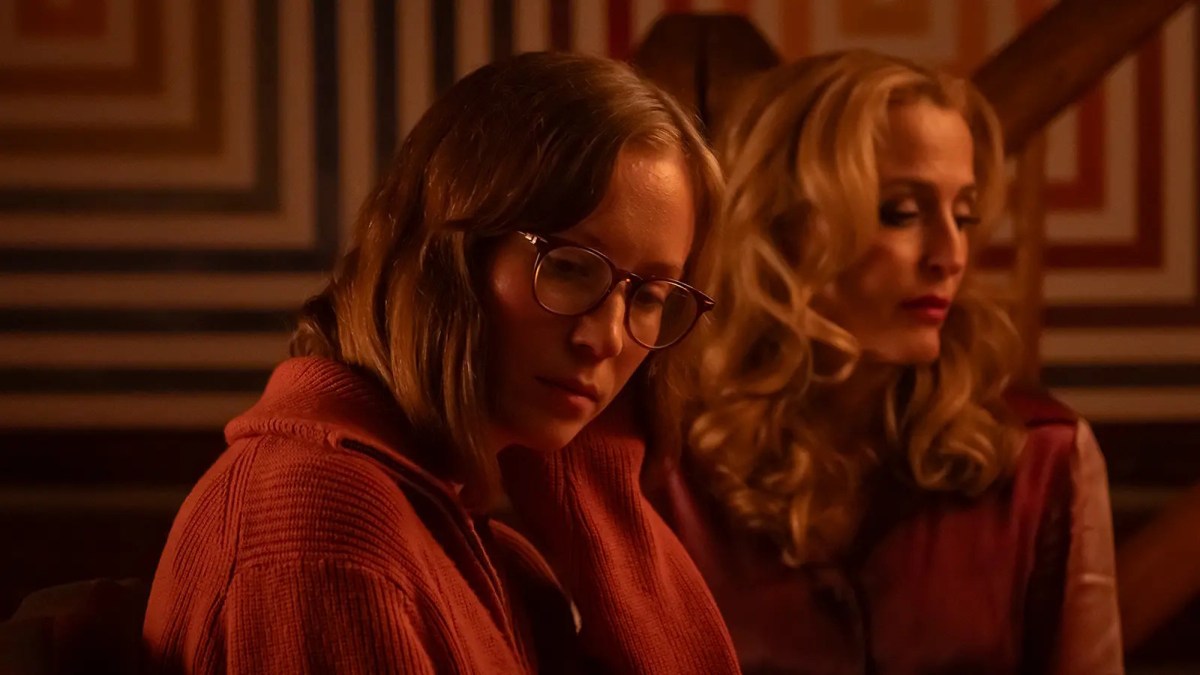
On 30 July, the independent event run by the six-screen New Farm Cinemas will open with Jane Schoenbrun’s Queer Palm-winning Teenage Sex and Death at Camp Miasma, then show the likes of Berlin Best Leading Performance recipient Rose, Kristen Stewart’s feature directorial debut The Chronology of Water, and two films, the Rami Malek-led The Man I Love and Peter Hujar’s Day, from Ira Sachs.
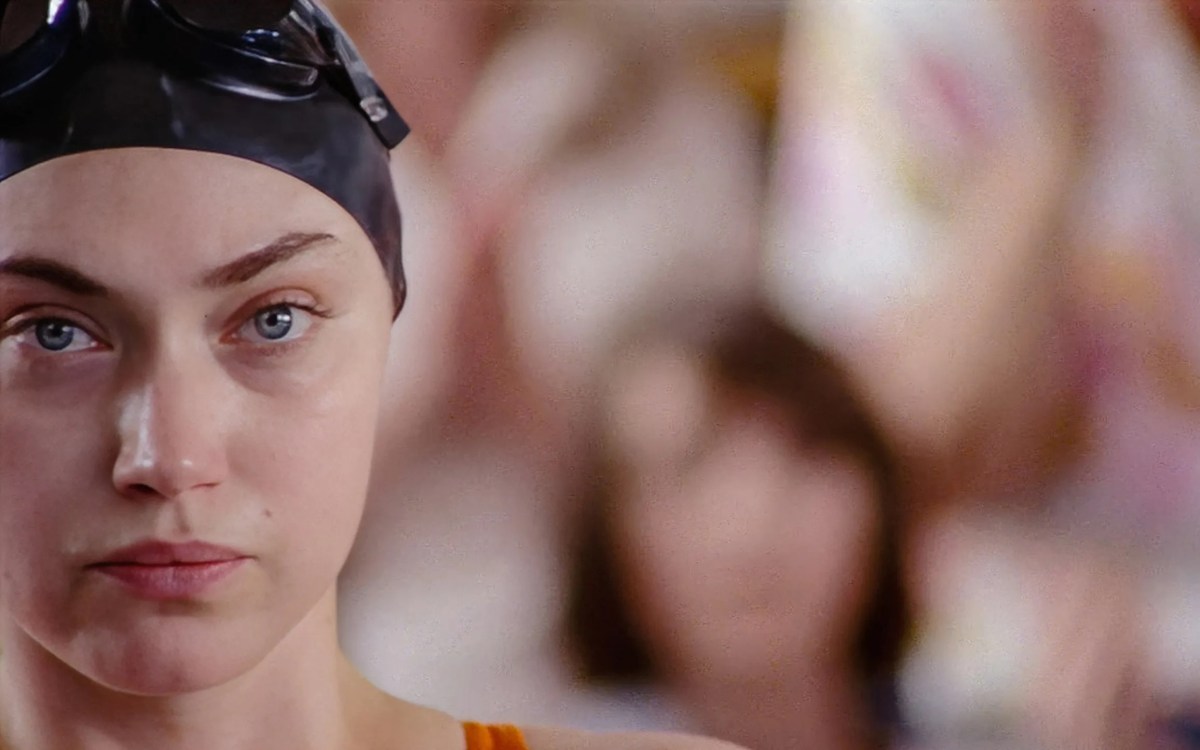
Come its 8 August closing night, Cannes Best Director winner La Bola Negra will wrap up NFQFF’s biggest year yet.
‘When I started this festival in 2022, it would be in my wildest dreams that I would be able to present premiere screenings of award-winners like this,’ founder and festival director Sean Tayler tells ScreenHub.
New Farm Queer Film Festival: levelling up
After launching its debut year with a ten-film selection anchored by Hollywood rom-com Bros, Australian horror Sissy, plus retrospective screenings of Call Me By Your Name and The Adventures of Priscilla, Queen of the Desert, NFQFF has never been a slouch in the programming stakes. But Tayler recognises that 2026 feels like an evolution.
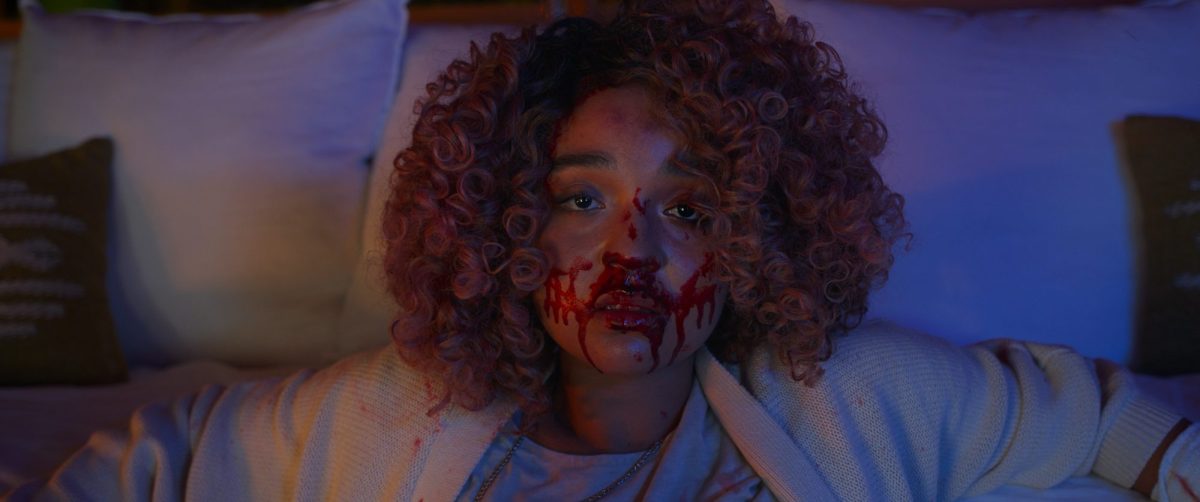
‘In part, it’s because there are so many terrific queer films this year that have won awards,’ he says – a result of ‘what films the industry worldwide chooses to platform’.
There’s no doubting that BIFF’s absence has boosted NFQFF’s lineup, though, even If the New Farm team had ‘set the festival dates before it was announced that BIFF would be on hiatus, and were actively programming,’ Tayler explains.
‘It was an interesting situation to be in, because it did open up more doors for us and more opportunities.’
He continues: ‘Our closing night film this year, in any other year would be a film that would be reserved for a premiere screening at the Brisbane International Film Festival.’
‘And because it won’t be going ahead this year, we’re able to show that to audiences ahead of it playing at Melbourne, ahead of it playing at the Toronto Film Festival – which I think has, ironically, worked out better for an audience here.’
ScreenHub: Brisbane deserves better than the cancellations and constant chaos surrounding BIFF
New Farm Queer Film Festival: seizing opportunities
This isn’t the first time that NFQFF has jumped on ‘the opportunity to present a festival to an audience that wants one in that void,’ as Tayler describes the current situation in Brisbane.
Giving the city something it was missing is why the New Farm event exists in the first place; ‘we’re a festival that began to fill a void,’ Tayler notes.
For 22 years until 2021, the Brisbane Queer Film Festival flew the flag for LGBTQIA+ cinema – and both as part of Brisbane Powerhouse’s programming and while operating independently since 2017, it screened at New Farm Cinemas from 2016.
As BQFF faded away, ‘we found that there was an audience that wanted to see these films with big crowds at a festival, and that there wasn’t a festival occurring to present those titles,’ says Tayler. ‘So the idea came quite organically.’
Whether taking the reins from its queer cinema-celebrating predecessor or, this year, from BIFF, NFQFF’s key driver has always been ‘carving out a space for community,’ Tayler says.
‘The festival is so much more than the films we present. It’s an opportunity for likeminded people to meet, to share ideas, to discuss and argue quite passionately, and I think that is really the highlight of the festival. It’s seeing audiences come out of a packed session film and then linger in our foyer and discuss the film in such detail.’
New Farm Queer Film Festival: cinema as an event
In 2026, NFQFF’s audience is wholeheartedly showing its enthusiasm. In the event’s early years, it screened each film on its lineup once, with a single festival session playing each night during its inaugural run. From there, it has grown to filling four screens for opening night’s Teenage Sex and Death at Camp Miasma alone – all sold out more than a week beforehand.
‘I was expecting it to be a hit, but I don’t think anyone could have expected it to be so well received,’ says Tayler. ‘It’s never happened before at the festival.’
He credits a ‘real grassroots response’ for this year’s swift success – for NFQFF’s opening-night pick and also in general. ‘I think it’s a combination of a lot of love for Jane Schoenbrun as a filmmaker, but also an audience awareness we’ve built up now, being in our fifth year of the festival.’
Teenage Sex and Death at Camp Miasma’s sellout is all the more impressive given that the third feature from the director of We’re All Going to the World’s Fair and I Saw the TV Glow opens in general release in Australian cinemas just a week after NFQFF’s packed kickoff.
The see-it-first, bragging-rights factor is one reason, especially in the age of instant Letterboxd reviews. In a time of non-stop streaming content, so is embracing a trip to the cinema that feels like something special.
‘The one thing you heard about the film from its premiere at Cannes is that you must see it with an audience,’ says Tayler.
‘And I think that what we’re seeing is a lot of people, particularly a lot of younger cinemagoers, they want to see this film and they want to experience it as an event.’
New Farm Queer Film Festival: more sessions
In further evidence of NFQFF’s ongoing growth, 2026’s entire festival surpassed previous ticket sales more than a week prior to opening.
‘With each year, we have been able to show that there is an audience that is willing to come out to see films. And we have, over these years, proved something to audiences, other stakeholders and film distributors – that as a festival we can be taken seriously and people will support these films,’ Tayler says.
‘And I think if it weren’t for our smaller founding years, perhaps we wouldn’t have been able to run a premiere screening of Camp Miasma or the other higher-profile films that are in our program this year.’
Establishing the audience demand to screen multiple sessions of each film, across a range of session times to cater to viewers of different ages and work situations – and notching up ‘the most screenings of any year previously,’ Tayler says – is another benefit of NFQFF’s success, while also increasing ticket sales.
ScreenHub: The Cannes and Sundance buzz factor for Australian film festivals: ‘It really does help’
Changing this year’s dates from the festival’s traditional spring timing to winter, though – now perched between SFF and MIFF, and another way that NFQFF is following in BIFF’s footsteps, albeit the BIFF from almost two decades back – ‘just came down to what films were available,’ says Tayler.
‘There were so many terrific queer films that wouldn’t have been available if we chose to run the film festival later in the year. And that’s not to say that these films would necessarily have a theatrical release – just that they might have appeared on video on demand, or audiences may not care for them so strongly months after they release in America and just become another film that’s available to watch on backlist, your backlog.’
New Farm Queer Film Festival: year-round interest
One movie that isn’t in NFQFF’s 2026 program is the Australian queer sensation of the year, Leviticus, purely because it enjoyed a general release in June. With the festival helping New Farm Cinemas to be ‘seen as a home in Brisbane for queer-themed films’ year-round, Tayler has still witnessed an ‘audience response to that film that was really like none other,’ he says.
Over five weeks into screening the horror hit, including at busy pre-release previews, ‘we hosted a Q&A with director Adrian Chiarella and lead actor Joe Bird that actually sold out four Q&As on a midweek night over a month into its release,’ he explains.
Tayler is thrilled to have been a part of the Aussie movie’s journey; ‘be it as part of the festival or not, we are just so proud to champion it.’ He’s also delighted that ‘outside of the festival, we’ve noticed that audiences carry across’ for new-release queer films.
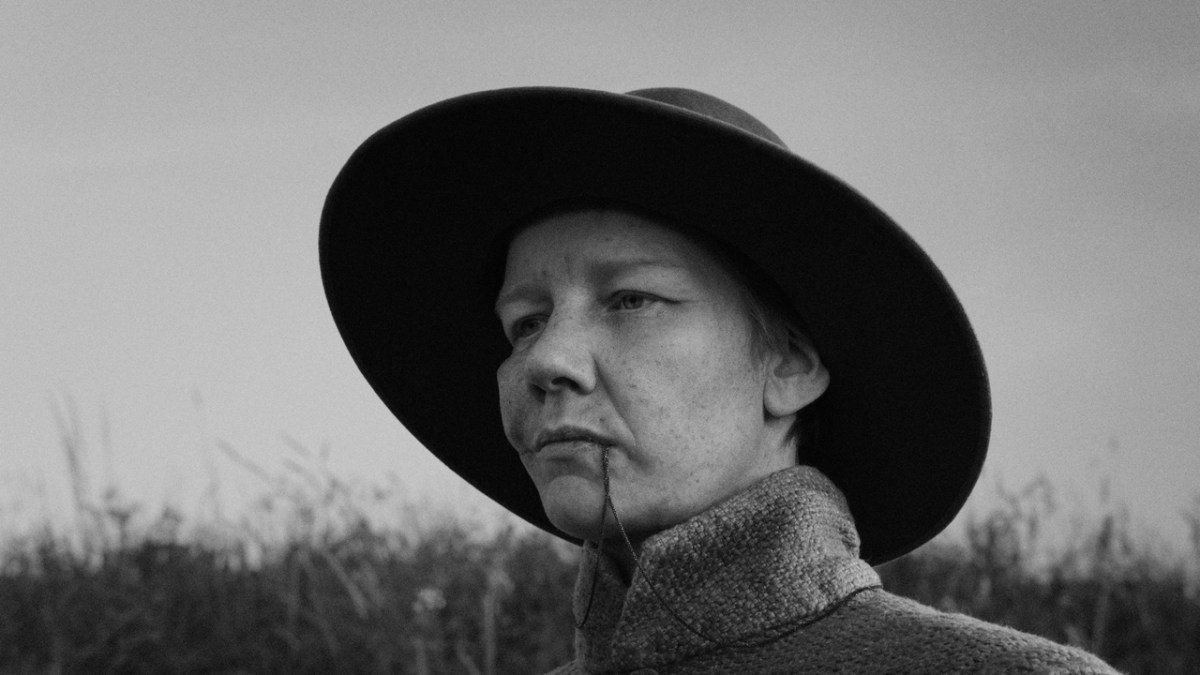
Beyond NFQFF, Tayler is no stranger to building an audience, and to catering for viewers eager for more than standard new commercial releases. New Farm Cinemas has become a Brisbane cinephile go-to for its retrospective programming, which Tayler co-curates, and also expands across the venue’s sibling venues in the Five Star Cinemas chain (including at Red Hill, Graceville and in the CBD in Brisbane, and at the Yatala Drive-In on the Gold Coast).
‘The interesting thing is that we have an audience for retrospective screenings at New Farm Cinemas that aren’t coming out to many new releases, and I think that’s because they want to see these classic films on the big screen. They want to see new restorations,’ Tayler says.
‘And I hope that they would come to retrospective films at the festival. We definitely saw a lot of our retrospective audience return to the festival a few years ago when we programmed our Gregg Araki retrospective.’
New Farm Queer Film Festival: international in scope
NFQFF’s 2026 blasts from the pasts span Alain Guiraudie’s Stranger By the Lake from 2013, 2004’s Anatomy of Hell from Catherine Breillat and a 4K restoration of 1980 German film Taxi zum Klo.
Slotting into a lineup of new titles that’s giving the Sydney-shot Body Blow its Queensland premiere, and features films starring Charli xcx (Erupcja), RuPaul alongside Drag Race alums Ginger Minj and Jujubee (Stop! That! Train!), plus Callum Turner, Elle Fanning and Pamela Anderson (Rosebush Pruning), the festival’s retrospectives are part of what’s now a tried-and-tested programming mix of fresh and familiar fare – discoveries and well-known names, too.
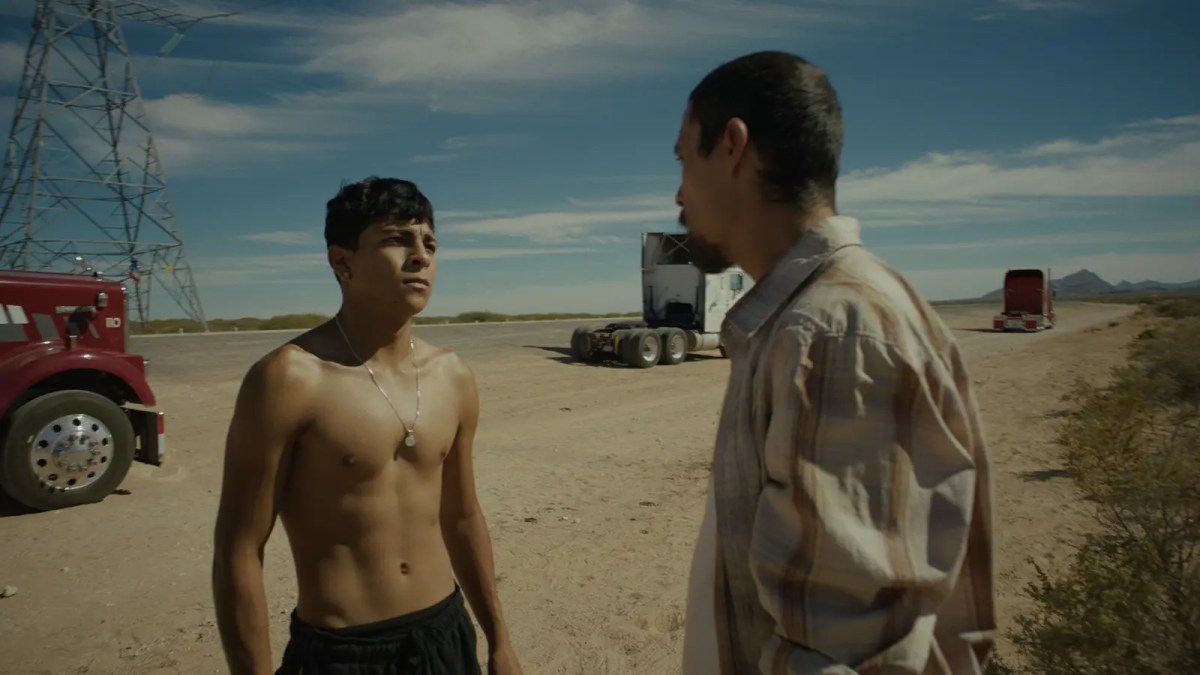
With the likes of French animated comedy Jim Queen, Mexican romance On the Road, Italian thriller The Holy Boy and an abridged version of Canada’s Castration Movie Anthology iii on the bill as well, showcasing the best cinema with a queer lens from around the world equally remains a focus. That a festival like NFQFF is also an international festival perhaps doesn’t get enough attention, Tayler observes.
‘I think that some people do view a queer film festival as what it says on the tin, a festival of queer films for queer people; however, I strongly disagree with that perspective and feel that, yes, in programming it, I treat it as an international film festival,’ says Tayler.
After achieving its most-successful festival yet before even raising the curtains, where does NFQFF go in future years? The plan is to ‘just present a festival that, year in, year out, caters to its audience,’ he says.
With the void left by BQFF’s demise truly filled – the gap left by BIFF’s absence in 2026 as well – Tayler ‘would love to see this continue to grow, to see wider and more diverse audiences coming each year, and our programming to include more films and more screenings.’