What makes a film dangerous? Is it the subject matter, its depictions of violence and intimacy, the ideas it puts into the world, or the possibility that those ideas might change the way we see it?
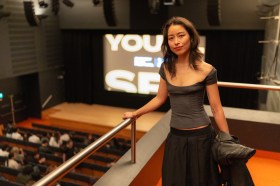
For Danielle Harvey, Festival Director of Sydney’s Festival of Dangerous Ideas, danger is less about shock value than consequence.
‘A dangerous idea to me is something that, if taken seriously, could change how you live and experience the world,’ she says. ‘For good or for bad.’
Films at Festival of Dangerous Ideas – quick links
Dangerous Films: Old Reels, New Revelations
For the first time, FODI is extending that provocation to the big screen with Dangerous Films: Old Reels, New Revelations, a new program screening at boutique cinema Dendy Newtown that brings together a selection of destabilising, provocative and critically-acclaimed films.
Spanning various decades, genres and wildly different interpretations of what it means to push a boundary, many of the nine films selected can be near-impossible to find on streaming services or as physical media.
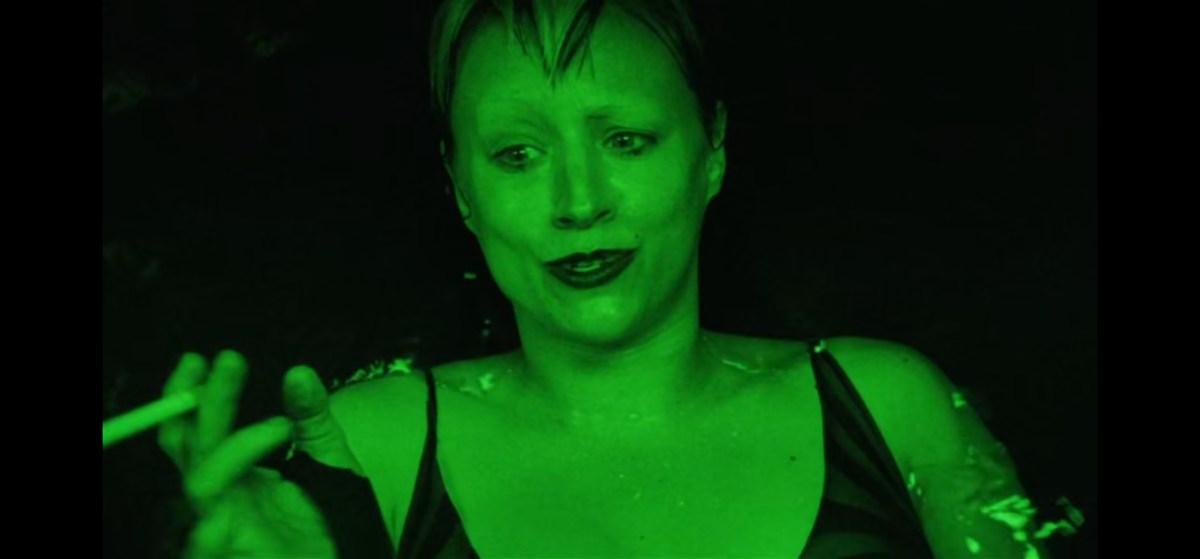
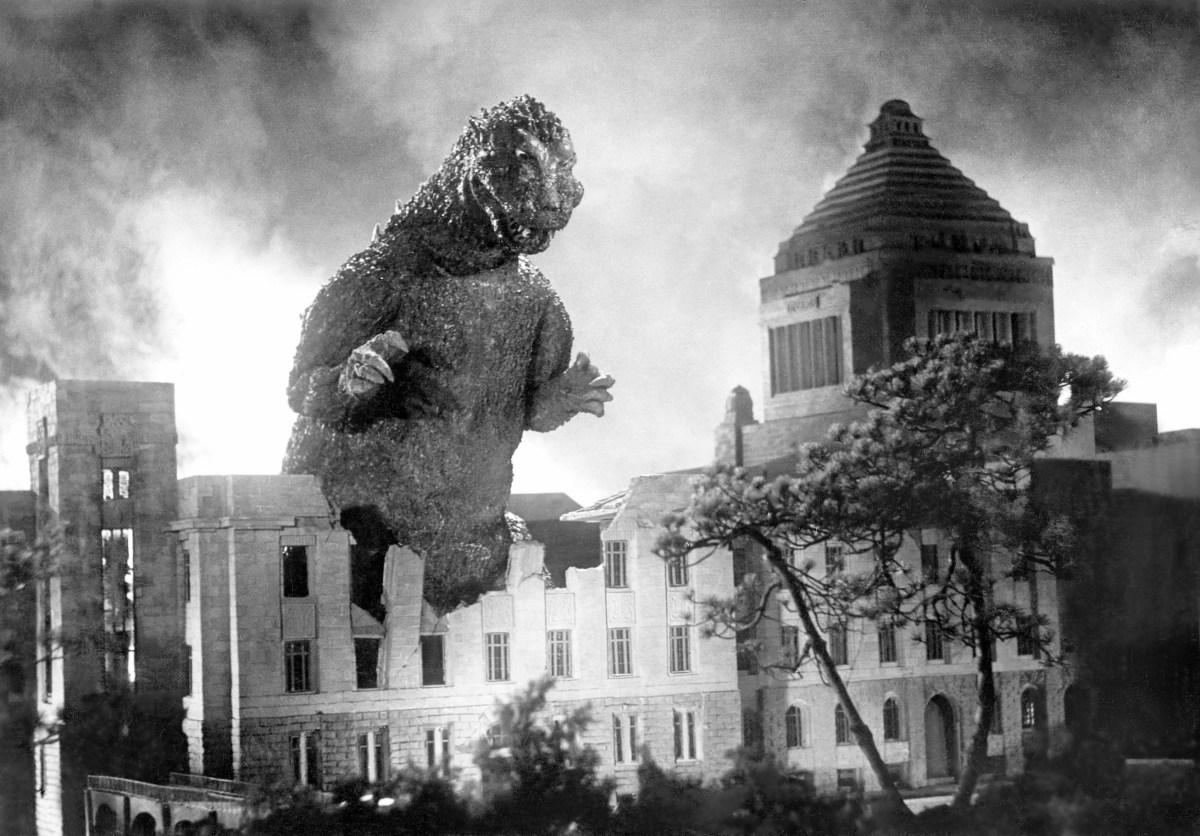
The program includes the surreal delirium of Leos Carax’s Holy Motors (2012), Ishirō Honda’s original Gojira (Godzilla) (1954), Jane Campion’s The Piano, Pier Paolo Pasolini’s notorious Salò (120 Days of Sodom) (1976), Kathryn Bigelow’s Zero Dark Thirty (2012), and John Cameron Mitchell’s sexually explicit Shortbus (2006), alongside documentaries including Mitzi Goldman’s Hatred (1995) and Pat Fiske’s Rocking the Foundations (1985).
It’s not all throwbacks, the festival will also screen Alex Gibney’s urgent 2026 documentary, Knife: The Attempted Murder of Salman Rushdie.
(One of the world’s most consequential literary figures, Rushdie was also scheduled to appear in-person at FODI, but unfortunately had to withdraw due to health reasons. The appearance would have marked the Indian-British novelist’s first visit to Australia since the 2022 attack that profoundly reshaped his life and work.)
Rather than simply screening provocative films, Harvey wants audiences to reconsider what makes them provocative in the first place.
Revisiting John Cameron Mitchell’s most taboo film
Part of the program’s provocation lies in its title: older films can reveal new dangers when viewed through the lens of the present.
‘Film is such an amazing vehicle for ideas,’ Harvey says. ‘They release ideas. They don’t just show them.’
That is particularly apparent in Shortbus, which follows an eclectic group of New Yorkers navigating sex and relationships.
John Cameron Mitchell had already established himself as a queer icon and a provocateur with the success of his cult-hit debut film, the gritty and glamorous genderqueer rock-musical, Hedwig and the Angry Inch (2001). For his next film as director, writer and producer, he was interested in incorporating explicit, non-simulated sex scenes in a naturalistic and thoughtful way, collaborating with the actors to craft authentic stories.
For Harvey, the inclusion of Shortbus in the program raises an uncomfortable contemporary question: would a film like this be made now?
Mitchell himself has suggested it would not, opening up questions around moral panic, who gets to make sexually adventurous work, and how challenging work can be made safely and authentically. (Controversially, he doesn’t think intimacy coordinators are the solution.)
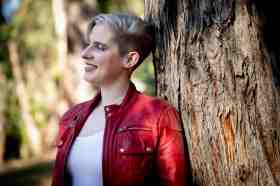
Mitchell will also bring that punk sensibility to FODI in person – ahead of the screening of Shortbus on 30 August, he will also appear at Carriageworks on 23 August to present Just Be Punk, an unfiltered masterclass described as a chance to ‘ditch the mere performance of rebellion and step into the real thing’.
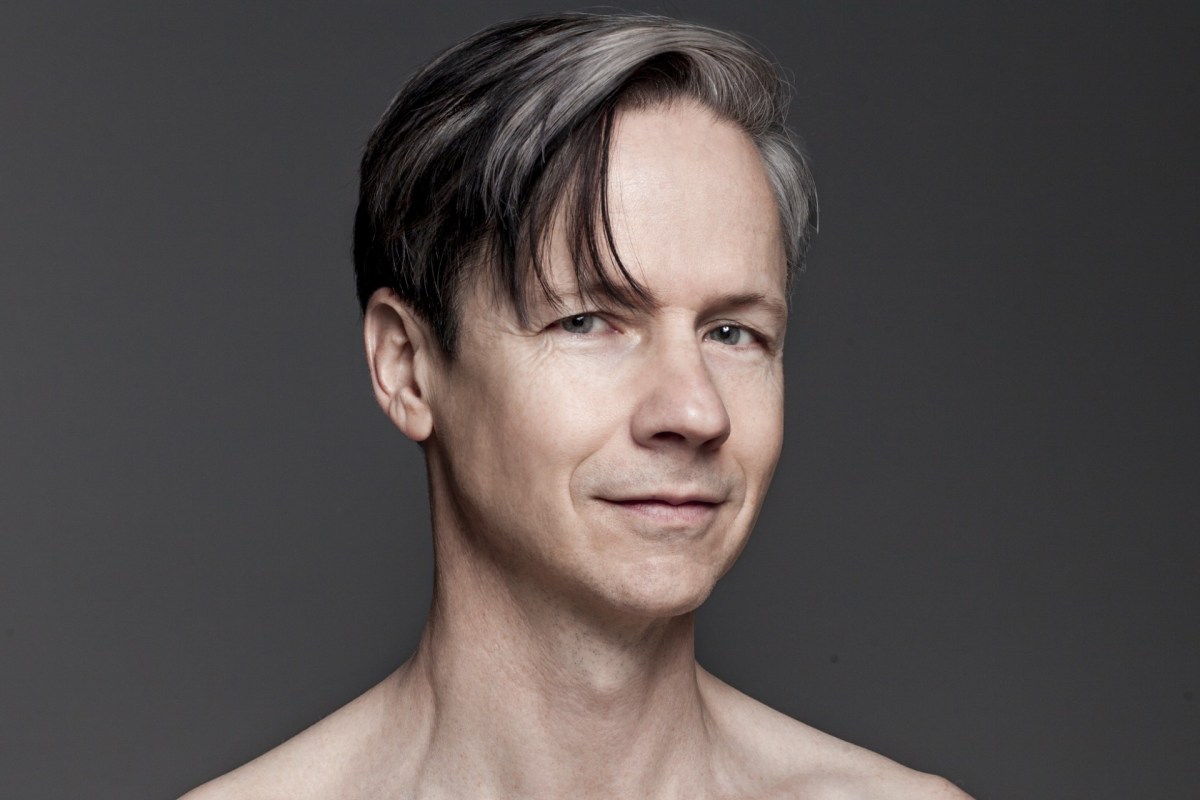
His presence gives the Dangerous Films program another dimension: Mitchell isn’t simply the subject of a retrospective look at provocative cinema, but an artist continuing to test the boundaries between film, performance, music, sexuality and identity.
His Australian visit extends beyond FODI. While he’s in Australia, he will also appear at Melbourne International Film Festival for a 25th anniversary screening of Hedwig and the Angry Inch on 21 August, before bringing his tribute show I’m Afraid of Americans: A Bowie Song Cycle to Sydney’s Enmore Theatre and Melbourne Recital Centre in September.
Re-examining what we think we already know
Elsewhere, The Piano offers another opportunity to revisit a familiar film through a more dangerous lens. Beneath its contentious love story, Harvey sees Jane Campion’s Palme d’Or winning masterpiece as a darker interrogation of desire, alienation and colonialism.
And then there is Salò, perhaps the program’s most obvious – and most confronting – choice. Variously banned in several countries for its graphic portrayals of rape, torture and murder, Pasolini’s 1975 political art horror asks questions about power, abuse and the limits of artistic representation.
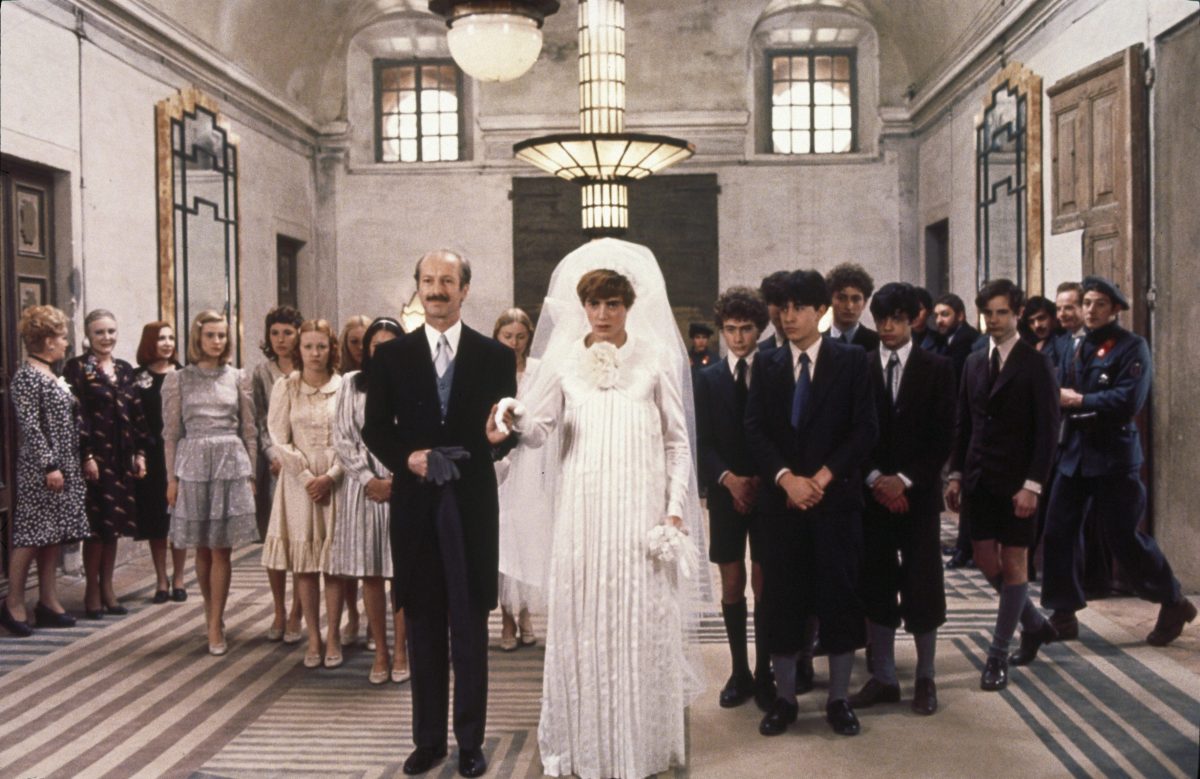
‘It’s a perfect film, but it’s an awful film to watch,’ Harvey says.
That contradiction is precisely the point.
Beyond international cinematic provocations, the program also uncovers the wisdoms of forgotten documentaries.
Rocking the Foundations, Pat Fiske’s 1985 doco about Sydney’s Green Bans movement, is one Harvey is particularly keen to introduce to new audiences. The film documents a moment when unionised workers and community activists banded together to save Sydney from the developers’ wrecking ball.
At a time when housing affordability is in crisis and debates about who gets to shape Australian cities are growing increasingly heated, Harvey sees revisiting this film as much more than an archival curiosity.
‘When collective power was wielded boldly, it changed a city,’ she says. ‘If an older documentary has some answers or suggestions of what we can try, I think it’s worth having a look at again.’
That approach runs throughout Dangerous Films. The point isn’t necessarily to discover that a film was dangerous when it was released, but to ask what becomes dangerous about it now.
Making room for uncomfortable conversations
Harvey’s approach to programming is deliberately collaborative. Films are paired with academics, filmmakers and other experts who will introduce screenings and offer audiences another way into the material.
It reflects a broader philosophy that has shaped the festival under Harvey’s leadership: creating spaces where ideas can be challenged in good faith rather than reduced to opposing camps.
‘People sometimes will put up a wall against an argument, but they can be really open to a story,’ she says. ‘A screening or a performance, it can let a dangerous idea in through the side door.’
That feels particularly pertinent in an era of algorithmic feeds, clickbait and increasingly fragmented cultural conversations. Harvey says audiences have become more fatigued and less tolerant over the past five years, making curiosity itself harder to sustain.
Cinema offers a different proposition: sitting in the dark with strangers, sharing an experience, and then having the opportunity to talk about it.
‘The ideas that it plants, they can run through culture for decades,’ Harvey says. ‘Long after people have forgotten the plot, they carry the ideas, and that is real power, and it’s also real risk.’
A festival with room to take risks
For Harvey, the expansion into film is also a product of the festival itself having room to grow.
This is her fifth FODI as Festival Director, but the first in which she has been able to work on it full-time, following financial support from a generous patron. That stability has allowed the festival to plan further ahead and pursue more ambitious ideas, including the new film program, a schools day and expanded public art commissions.
Under her tenure, FODI has grown from a two-day event to a 10-day festival spanning 14 venues across Sydney.
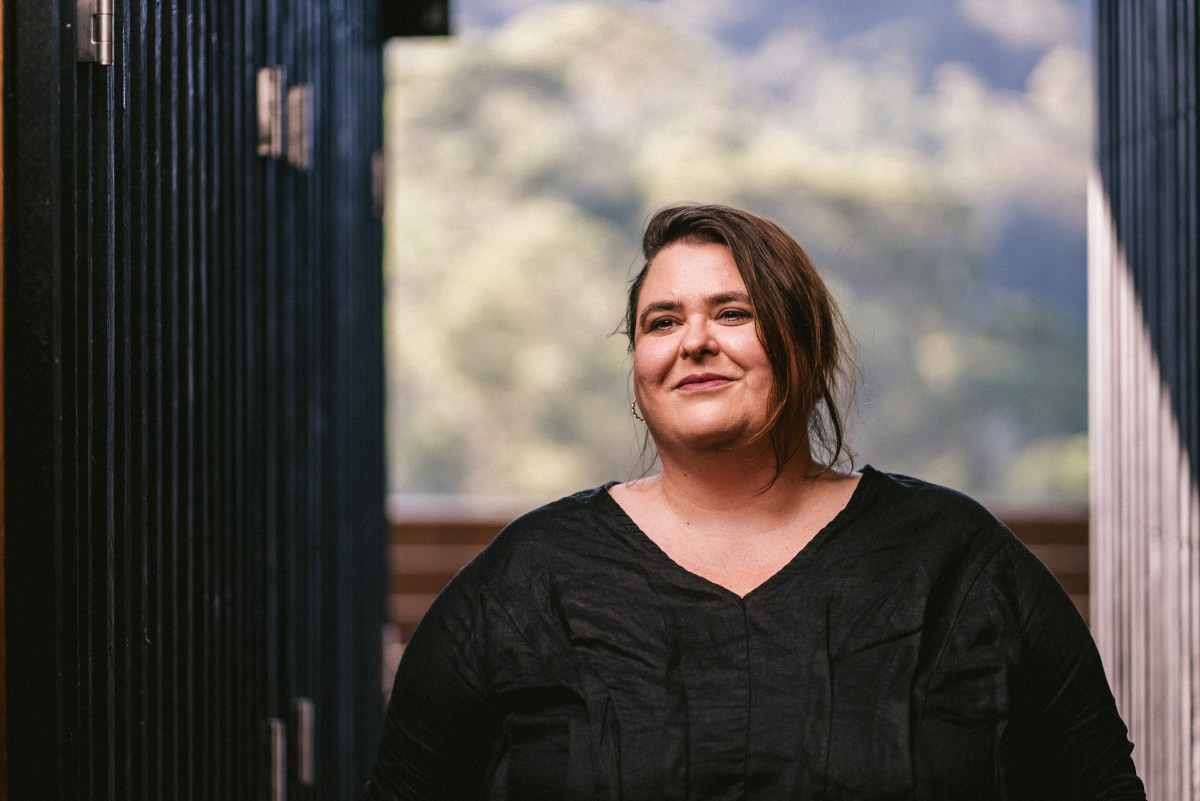
That growth matters because, for Harvey, dangerous ideas shouldn’t be confined to one format or one kind of audience. Film, performance, visual art, academia and public debate can each provide different ways of approaching the same difficult questions.
And perhaps that is ultimately what makes a film dangerous: not simply its capacity to offend or shock, but its ability to stay with us – to change the questions we ask after the credits roll.
‘You’ve got to embrace the complexity,’ Harvey says. ‘Not run away from it.’