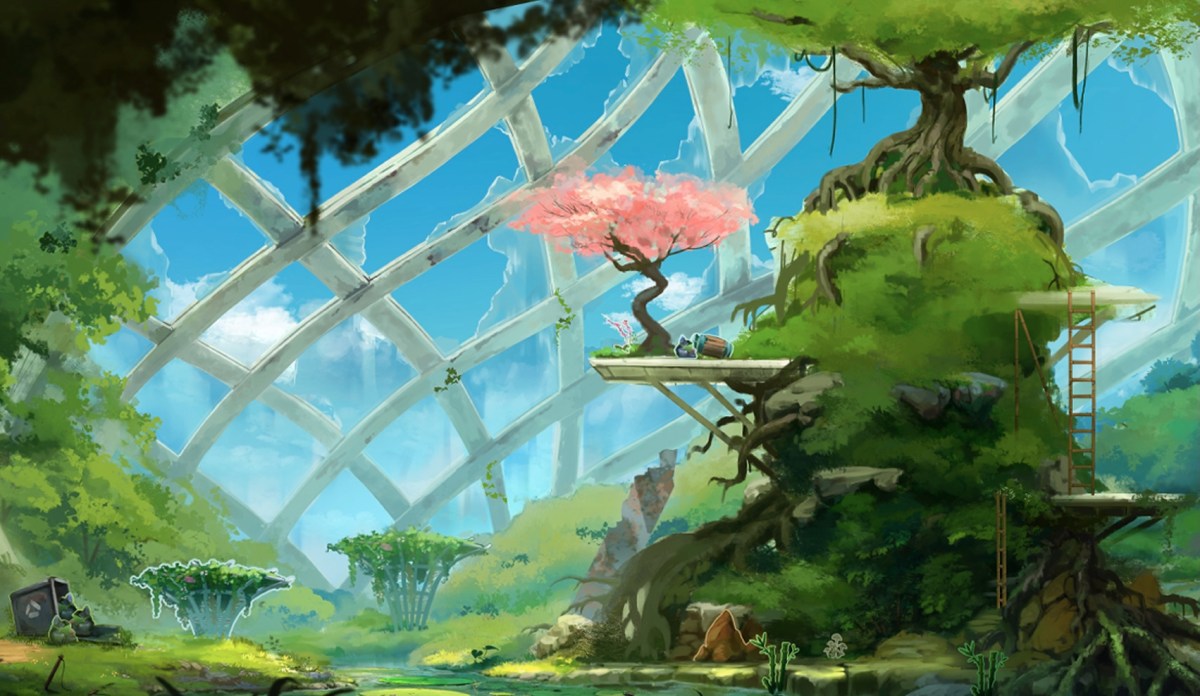
What happens in a post-artificial intelligence world? What do human communications look like, after so much change? How do we interact with the world? Could it possibly be better than we’ve long imagined? These are the questions charted by Rusthaven, the next title from Sydney-based studio Chaos Theory Games.
As James Lockrey, Co-Founder and Managing Director, and Nico King, Co-Founder and Executive Creative Director, tell ScreenHub, the future brings limitless possibilities worth understanding and exploring now.
Chaos Theory and the path ahead for Rusthaven – quick links
Rusthaven charts a future inspired by the real world, as well as iconic sci-fi stories
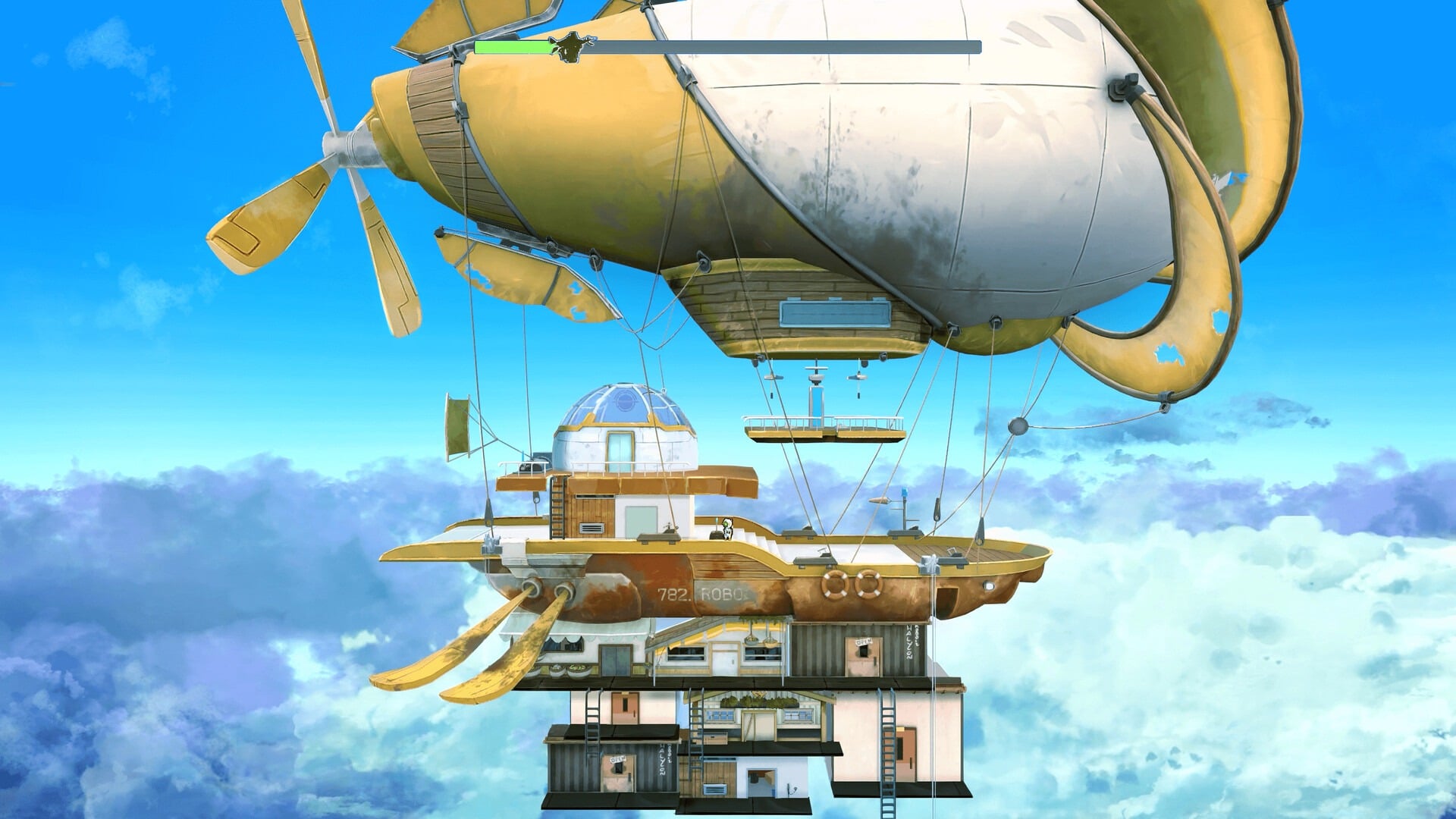
The initial inspiration for Rusthaven was the artistic ‘solarpunk’ movement, which imagines a more optimistic future where technology has allowed for genuine growth. Solarpunk is about technology as intended. What if it actually enhanced our lives, rather than replaced jobs, caused instability and degraded society?
‘I learned about solarpunk a couple of years ago,’ King says. ‘It really strongly aligns with our studio’s philosophy, and what I believe we should be creating more of – which is [media that asks] how we imagine a better future.
‘How do we create media that inspires people, that gets them thinking about what’s possible?’
As King points out, so much of modern media is currently focused on the post-apocalypse, and the assumption that the world is heading to a dark place. Robots and AI are positioned as world-enders, with society collapsing in their wake.
‘I think about it from the complete opposite perspective, of how do we build that better future?’ King says. ‘What does that better future look like?’
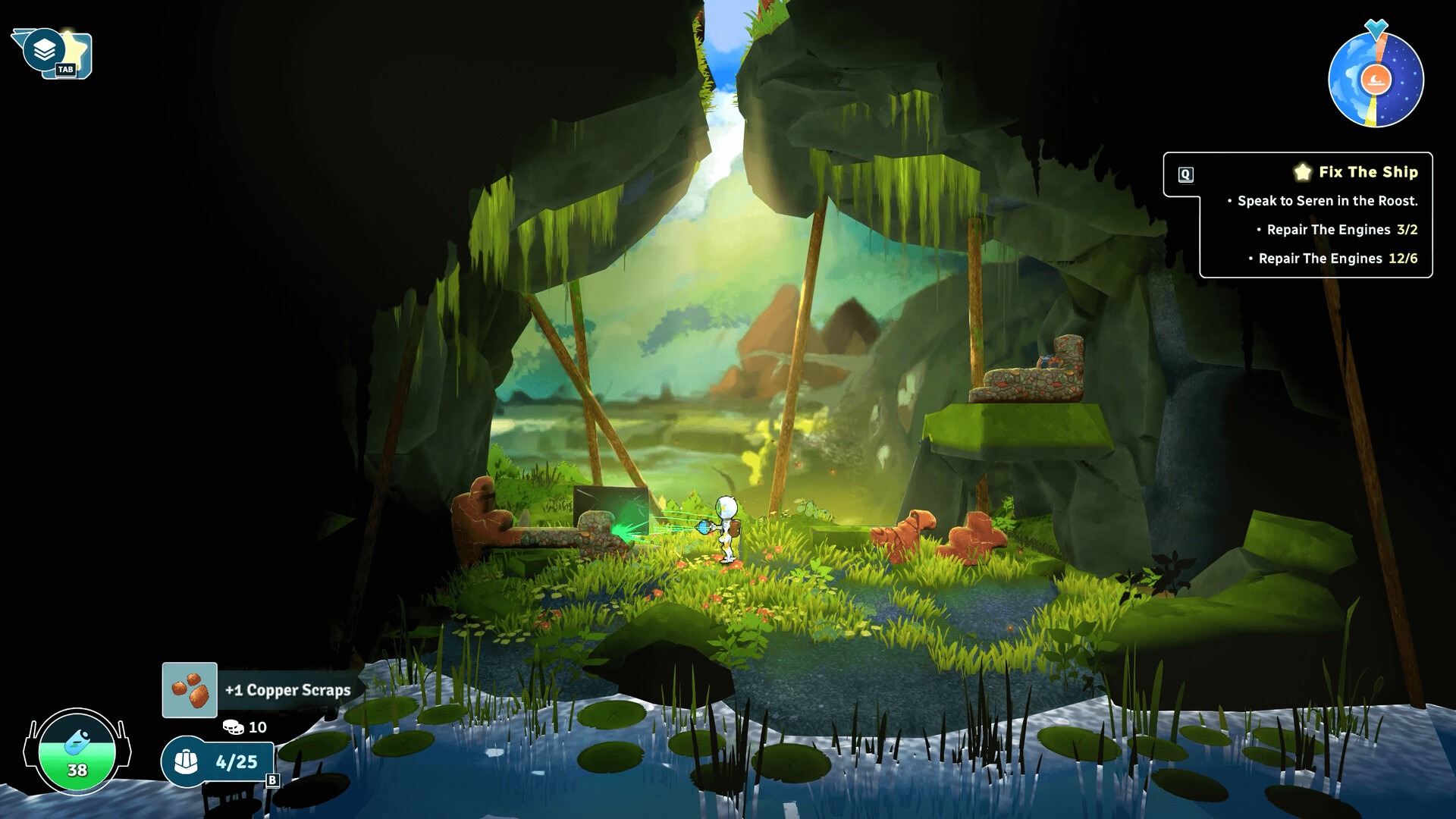
In Rusthaven, players will explore these possibilities for themselves as they ‘reboot’ an abandoned planet, using technology to clean up and create a liveable space. Chaos Theory describes the game as being ‘anti-apocalypse,’ as players will build a cosy, more stable future using the technology often predicted to doom us all.
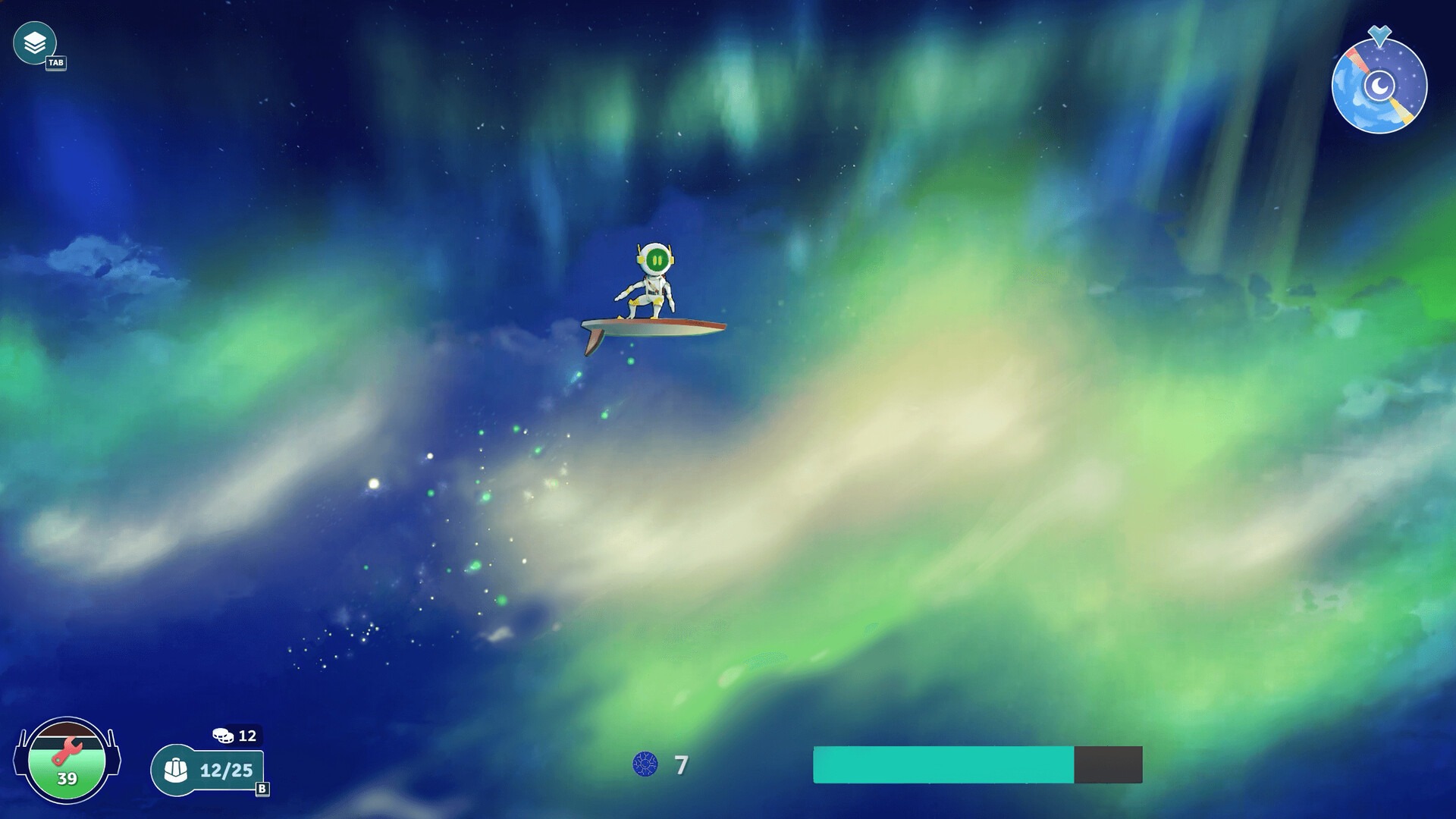
As a touchpoint for this sense of hope and optimism, Chaos Theory was inspired by Disney’s Treasure Planet. This sci-fi adventure is solarpunk by nature, as it stars a young adventurer looking to make a legacy amongst the stars.
The film imagines a future world of beauty and promise, where adventurers use ‘solar surfer’ crafts to travel by galaxy and companionship can come in the form of a cute blob monster.
Rusthaven is also partially inspired by questions around the rise of generative AI, and what ‘sentience’ may achieve for humanity, long-term.
‘[We’re] exploring – if we’re on the cusp of playing God at the moment, depending on who you ask – what are the implications of that?’ Lockrey says. ‘What happens when they have their own needs and wants or desires to form bonds or community, or their own sort of desires and memories?’
Chaos Theory Games aims to educate and entertain
Rusthaven will continue Chaos Theory’s overarching goals, to utilise games as educational tools as well as for entertainment. The studio has built a legacy on games with core informative messages that allow players to connect more with their world or otherwise ‘gamify’ their learning.
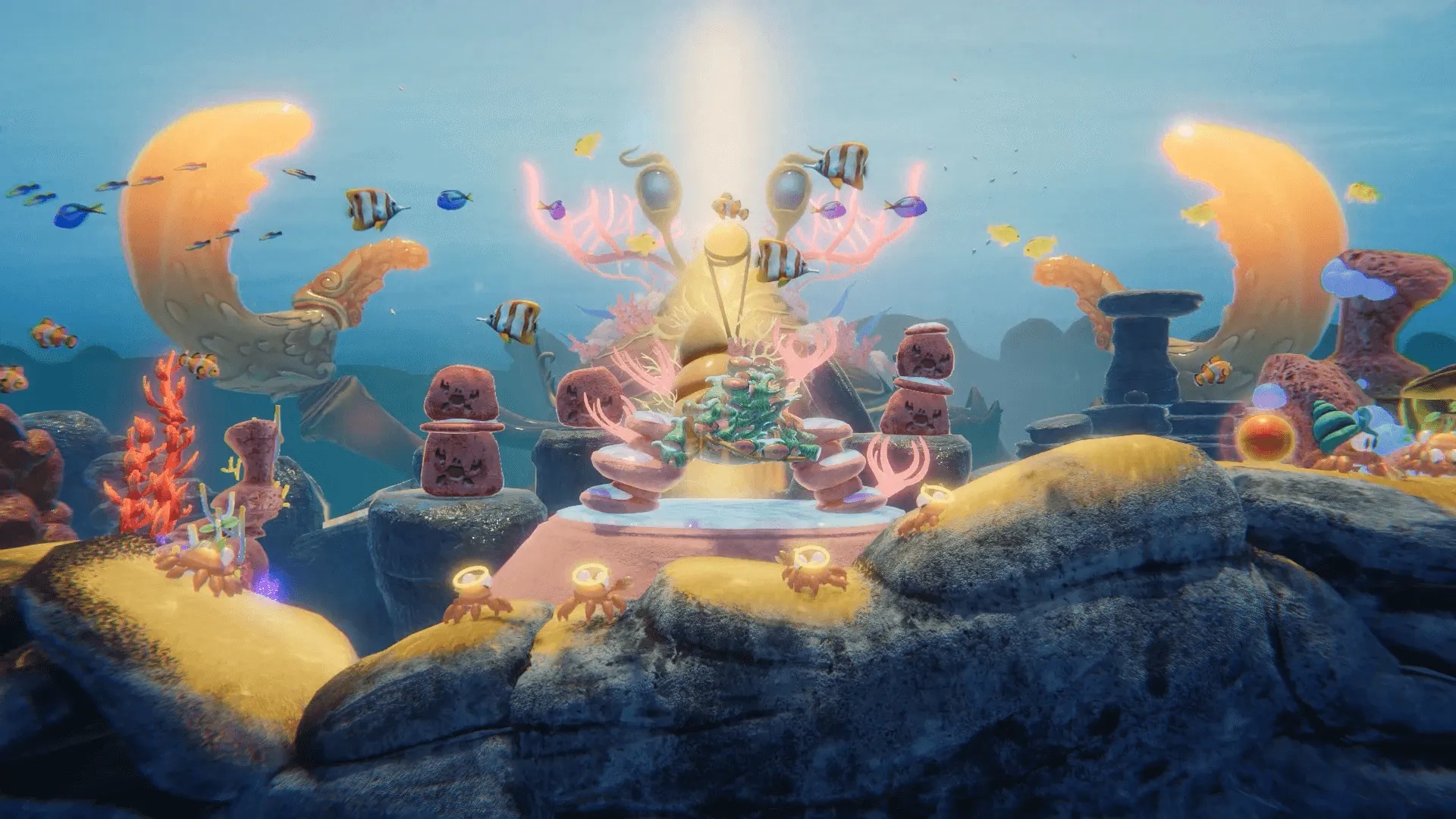
The studio’s latest game, Crab God, is a light-hearted management sim in which players corral crews of crabs on the ocean floor. It’s also about ocean preservation, and contains link to dots.eco, a conservation organisation that translates gameplay into planted trees, removal of ocean plastics and other initiatives.
The studio has worked on other serious games too, educating about the United Nations World Food Programme (via the game Sharmila), the importance of preserving Australian fauna and flora (KangaZoo), and it has developed various apps to teach about money, energy, water, health and cybersecurity.
As King and Lockrey tell ScreenHub, in any project the studio develops – whether in a work-for-hire capacity or as a creative endeavour – it’s important the subject matter is meaningful and that it delivers some emotional or social value for players.
‘[One of our] creative pillars is heart,’ King says. ‘We want to create games that have a meaning to them. The question of how “entertainment” our projects are is very defined by the concept itself.
‘With a project like Rusthaven, it’s a lot more of the emotional value, and tapping into some of the changes in perspectives, and changing people’s view of the future.’
The desire to educate through games was partially inspired by a youth filled with edutainment. As shared by King and Lockrey, the studio’s leadership team all grew up at a time when ‘home computers were becoming a thing, and as home internet was becoming a thing’.
They played titles like Carmen Sandiego, Kid Pix and Mathletics in school ‘computer class’ – which Lockrey said was something they ‘all looked forward to’. Later, the team began exploring PC and console games, from couch co-op experiences to local multiplayer games – and these inspired a longer-term desire to create new, impactful gaming experiences.
‘Personally, I can recall having very strong emotional connections to the entertainment games we were playing, and being very motivated to go out and learn and improve my skills,’ King says. ‘I think that level of motivation, that level of engagement, if we can harness that … it’s going to inspire people to be more motivated to learn and get out in the world, and define their own path in life.’
The value of edutainment in games
Per Lockrey and King, creating educational experiences, those that reach players on a deep, emotional level, remains important for the studio. Edutainment-focused games, unlike many other forms of education, can create instant connection, empathy and understanding for players.
‘Games are particularly good for motivating people, because it taps into our natural desires and reward mechanics,’ King says. ‘I think that’s key to motivation, that we find [something] fun, find it interesting. I think that’s the core of what we need to be doing more of, in making life more interesting, in making education more interesting.
‘If we can increase motivation, we can figure out how to get people to pay attention to something for 10,000 hours straight, I think we can create people who are really passionate about a particular subject. I think education or leaning about things just naturally follows from engagement.’
As Lockrey adds, the nature of games as ‘first person media’ is also valuable, as it places players directly into scenarios and allows them to form an active connection with their play.
‘As you play a game, you internalise everything that’s happening, as it’s happening – which is a much more powerful tool for building empathy with other experiences than media, where you’re maybe watching that happen to someone else, or someone that doesn’t match your identity or background. There’s a different layer of abstraction.’
‘Playing games where you’re internalising that all this is happening to [you], or you want to act in this particular way, can cause some of those shifts [in perspective and understanding] a bit more easily than [other] media can.’
For King, one of his proudest moments at Chaos Theory was developing an ‘impact achievement system’ in Crab God, that had a dual effect. For players who were able to complete a certain task – discovering Ritual Stones of Conservation – they were able to vote on which real-world actions would be supported through the studio’s conservation partnership.
Gameplay was encouraging on its own, but diving deeply into the game and discovering these special stones also allowed players to learn more about the natural environment, and make choices that would benefit everyone long-term.
‘A lot of players commented on the fact that they hadn’t seen it in other games, and a lot of players commented that it was an incredibly meaningful and personal experience, where they felt like they were really making a difference,’ King says.
‘That’s led them to be more interested in these subjects, to be paying more attention to what they can be doing, and the feeling of “I’ve done something small, and now I can continue that journey”.’
As Lockrey explains, Crab God was a particularly rewarding project, as it so clearly demonstrated the impact of educational content within games, and how it can have a long-term positive impact on players and their behaviour.
Looking to Chaos Theory’s own future
In the months ahead, Chaos Theory will turn its focus to continuing development on Rusthaven, while also co-developing the narrative RPG Aether & Iron alongside US-based studio Seismic Squirrel.
Throughout ongoing development, the team aims to maintain a dedication to telling impactful, meaningful stories that have a transformative impact on players, allowing them to experience more, see more, build resilience and potentially even come away with hope and excitement about what’s next.
‘We’re working on releasing games that everybody can love and enjoy,’ King says.
Rusthaven does not currently have a firm release date. Aether & Iron is set to launch on 31 March.