It’s been a difficult year to be a game developer. After significant growth over the early 2020s, the games industry’s upward trajectory stalled in 2025. The reasons are layered. Knock-on impacts of the pandemic era have led to significant inflation, while also shrinking consumers’ discretionary spending.
The market for attention is crowded. Making an impact requires a gymnastic routine of dodging competition, harnessing social media for marketing, arriving with a clear hook, and ever more steps that stretch into the horizon.
In 2025, local Australian video game developers tackled these many challenges head-on, working to carve out a brighter future through any means possible, all while guiding unique, creative, endearing projects to launch.
As we head towards the end of the year, ScreenHub caught up with an array of these developers to learn more about their latest projects and their biggest hopes for the year ahead.
Australian game developers take stock – quick links
Powerhoof had one of the biggest success stories of the year in The Drifter
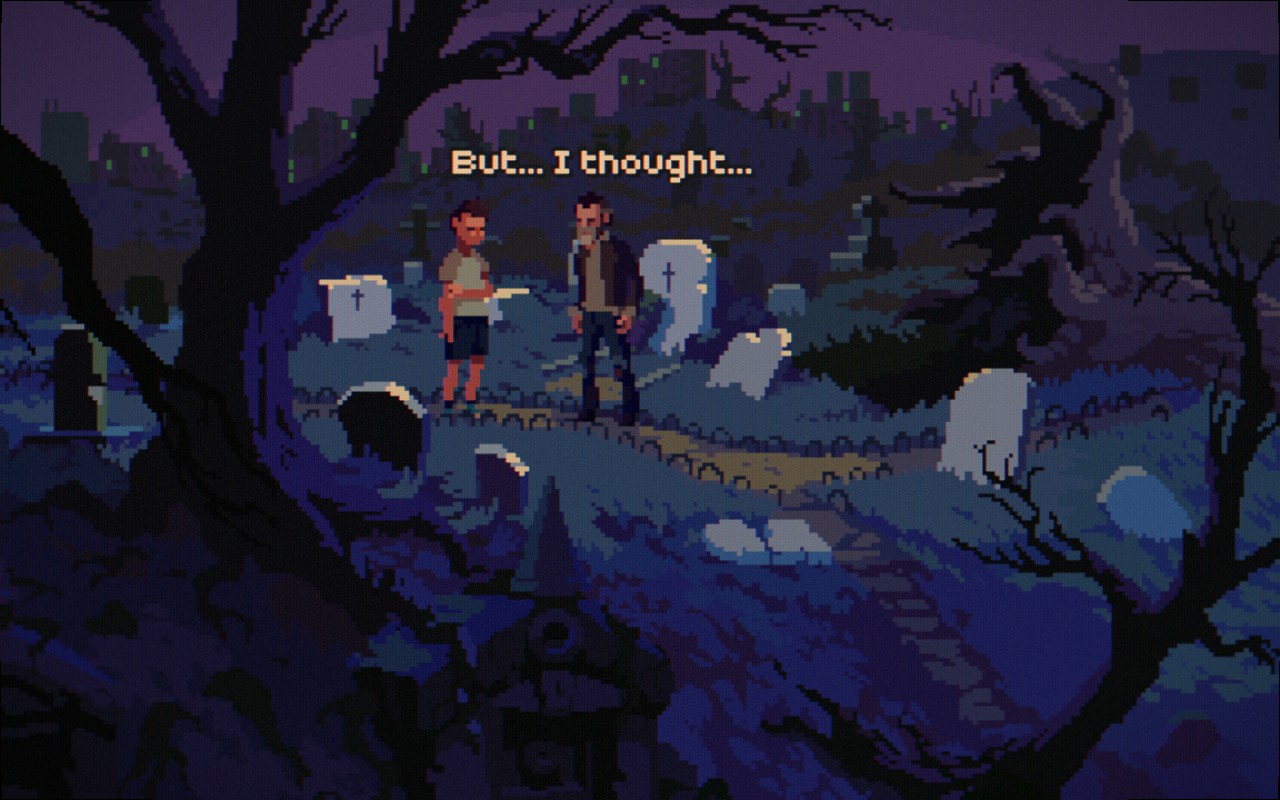
The Melbourne-based team at Powerhoof had a bigger year than mostly. After a long gestation, the point-and-click adventure game The Drifter was released to high praise and financial success. Speaking to ScreenHub, developer Dave Lloyd (one half of Powerhoof) described 2025 as ‘overwhelming in every possible way’.
‘[The Drifter]’s done better than we ever expected,’ Lloyd said. ‘Point-and-click is a favourite genre of mine, but not one that has a history of financial success, so it was definitely a surprise…Having everyone suddenly talking about your game is, yeah, overwhelming in every sense of the word!’
For Powerhoof, 2025 was a ‘huge blur.’ As noted by Lloyd, Powerhoof tends to keep things ‘pretty small’ and it was for that reason that the studio was fairly insulated from the challenges facing most game developers this year.
‘After initial success, we’ve always kept things lean and tight,’ Lloyd said. ‘It’s still just the two of us full-time after 12 years of Powerhoof now.’
As Lloyd explained, the decision to stay small allowed the team to weather the evolving storm. After 20 years making video games, Lloyd has seen an ebb and flow in the games industry that has taught many lessons – including many he’s keen to pass on to his fellow developers.
Read: The Drifter review: a lush noir adventure that takes you ’round the twist
‘In the 20 years I’ve been making games, there’s never been a time without one impending apocalypse or another,’ he said. ‘It’s hard not to buy into that, but somehow, more indie games are getting made and finding success than ever, even in a “dead” genre like point-and-clicks.’
‘Our approach has always been to keep things lean and focus on the creative bits we’re good at, making stuff we think is cool. So, keep your head down, ignore the hustlers and doom-preachers, and keep making stuff you love. They can’t stop you.’
In the year to come, Lloyd believes this approach will serve developers well, particularly with funding opportunities drying up. As he explained, the industry’s in the process of pulling itself up by the bootstraps, and what’s most important is just ‘getting on with it’.
‘My hope is that we emerge from this period stronger, less reliant on overseas funding, and burning with fresh new creativity,’ Lloyd said.
Letters to Arralla was a quiet success that left its mark on audiences
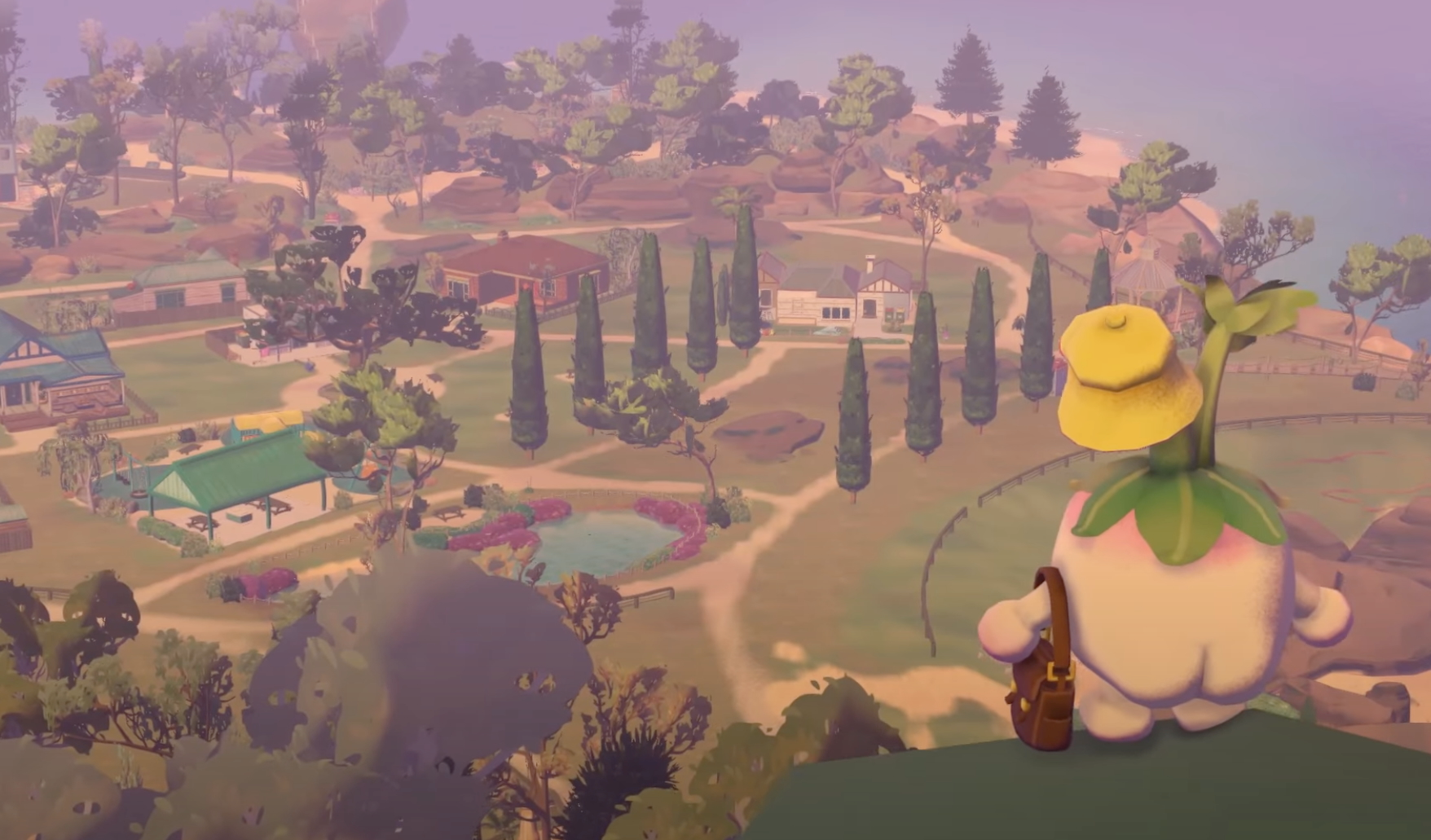
Another well-received Australian game released in 2025 was Letters to Arralla, a cute adventure game about a turnip visiting an island and delivering mail to its citizens. Speaking to ScreenHub, developer Chantel Eagle, the Creative Director, Producer and 3D Artist at Little Pink Clouds, admitted the game didn’t have ‘the biggest launch of all time’ but it was important, regardless.
Letters to Arralla‘s impact goes well beyond the financial, thanks to a story focused on the importance of kindness and togetherness.
ScreenHub‘s review at the time said: ‘Letters to Arralla is a game we all need right now. A warm, whimsical reminder of the power of the individual. While cute and cosy in nature, it’s not only about living and breathing in a town inspired by Australia – it’s about how you can change your world for the better, one good deed at a time. It doesn’t matter if your impact is big or small. You will change the world by nature of being in it, and it’s your job to leave it better than you found it.’
According to Eagle, it was ‘really satisfying, and heartwarming, to see so much positive reception to [the] game. We didn’t have the biggest launch of all time, we tried our very best, and a dedicated handful of cosy streamers who supported our release made it all worth it.’
Read: Letters to Arralla is a reminder of your impact on the world
Despite this reception, Eagle faced difficult hurdles in 2025, not least of all having to accept the lower-key launch of Letters to Arralla and its financial impact.
‘Post-launch, I need to constantly grapple with the mean voice inside my head that tells me this game wasn’t worth it,’ Eagle said. ‘The amount of time, blood, sweat, and tears – five years of development – and to not have made a fraction back in sales is a daunting thing to come up against mentally. It was worth it. My partner, friends and colleagues all tell me that this game was worth the effort, but why doesn’t my brain believe that?’
Eagle is proud of her development team, and that Little Pink Clouds launched its very first game. But as she explained to ScreenHub, the release also taught many hard lessons about value, and the ‘infinite power of creativity’.
‘”The money is temporary, the game is forever.” That was a piece of advice given to me that really did shift my perspective,’ Eagle said.
It’s a lesson that will be brought into the future. As she explained, she’s ‘grown and matured’ throughout 2025, learned more about how much her time is worth, developed new game development skills, and begun developing clear goals for the future.
‘The kinds of games I want to make and the direction I want to evolve my studio has solidified in a way that still excites me,’ Eagle said.
‘I’ve seen the games industry change and want to adapt Little Pink Clouds with it. It’s a tricky time, I’m a lot more tired now, and navigating some intense exhaustion has made me more careful with where and how I dedicate my time and life. God I love touching grass! Let’s all touch some grass and play in the mud.’
Eagle plans to continue creating art in 2026 because she loves it, in spite of developments like content-stealing AI, late-stage capitalism and billion-dollar companies pumping out ‘slop’.
‘How nice that no matter what happens outside in the world or what my bank account says, there is a part within us that innately must create. It’s what it means to be human, to exist, to have ideas so powerful that they must be manifested and shared,’ Eagle said.
‘Whenever I feel bogged down and upset, I must remind myself that creation is the most human thing possible, so keep doing it, keep creating, keep being weird.’
Ghoulish debuted in 2025 and Parasensor turned heads
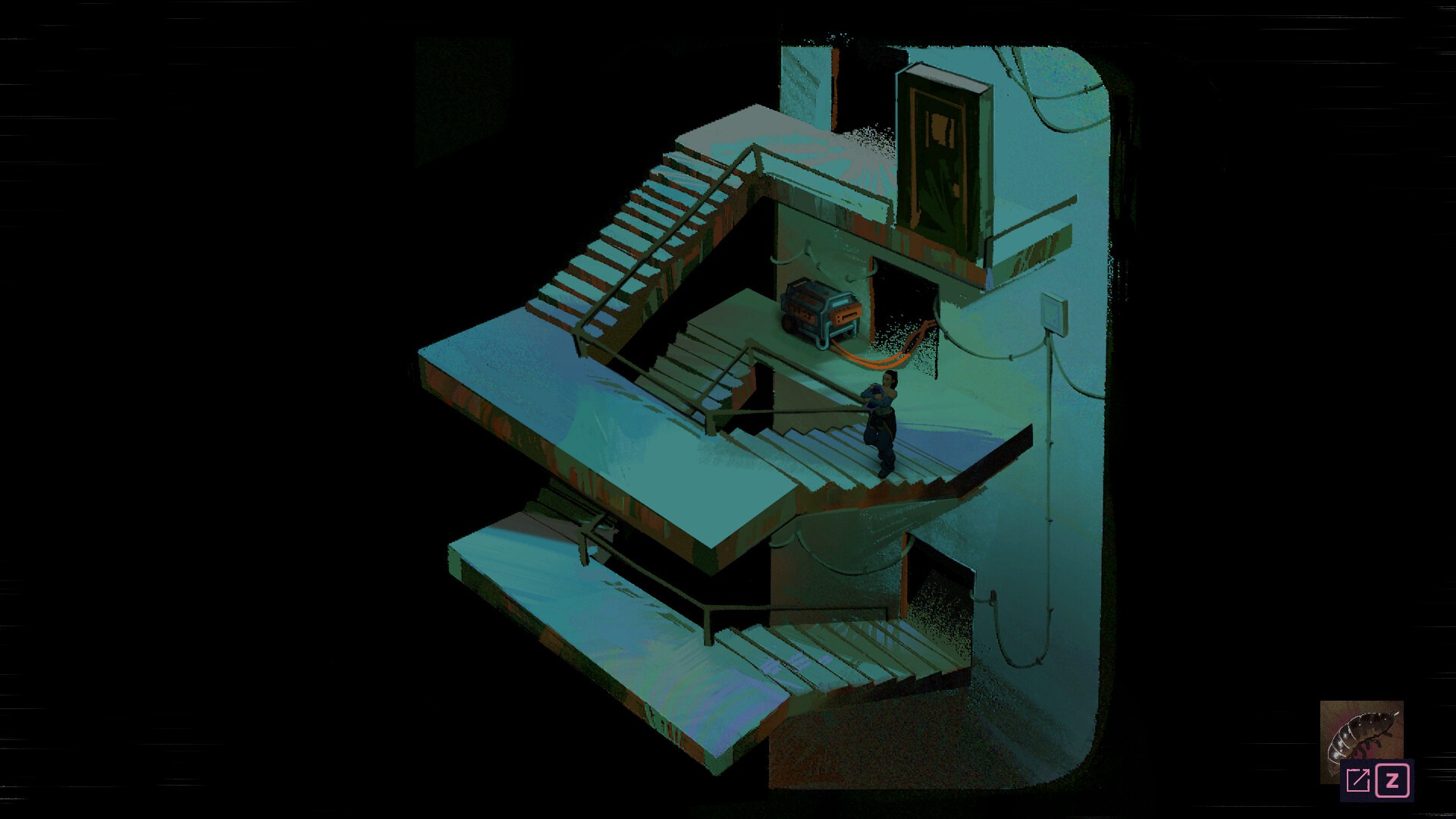
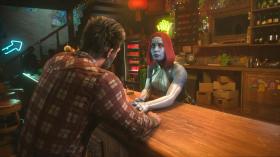
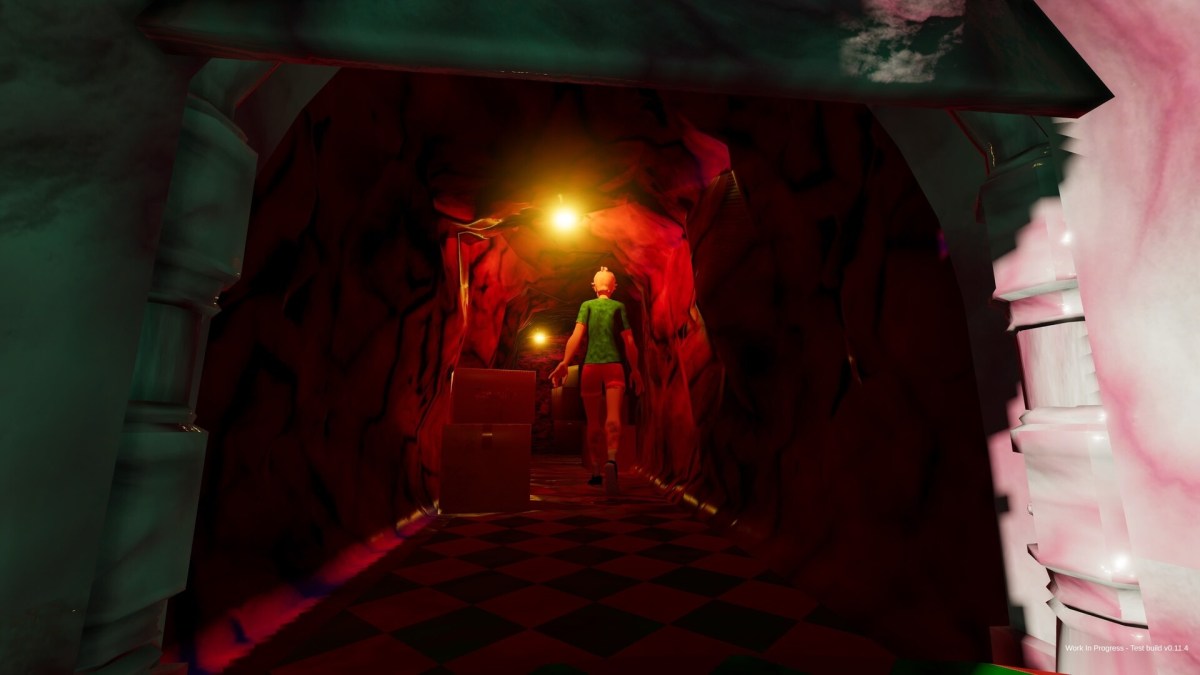
Mickey Krekelberg, Founder of new studio Ghoulish, also contributed work to Letters to Arralla in 2025, as well as to titles like Wood & Weather, My Arms Are Longer Now and Ghoulish’s own Parasensor. Krekelberg wears many hats, juggling teaching and various game development jobs to make ends meet.
They told ScreenHub that 2025 has been a transformative year. What they’re most proud of is the opportunity to create new community within the local games industry, bringing new and veteran developers together – because games are fundamentally ‘about people’.
‘When I look around at my peers, I see a new movement and future for the games industry, one that is driven by community and fellowship, that focuses on supporting and cooperating with one another,’ Krekelberg said.
‘Making games is mostly about people. Despite all the stress, I find the energy to keep going when I see my friends thriving in their crafts, and I know I am making a difference.’
As Krekelberg told ScreenHub, their 2025 has been jam-packed with new developments, from the establishment of Ghoulish, to ‘putting all the pieces in place correctly’ to ensure its longevity.
This has required plenty of steps, from organising branding and social media to pitching, accounting, engaging lawyers, and more. The experience has taught them valuable lessons about the nature of art, community, and what makes the most impact when times are tough.
Read: Ghoulish’s Parasensor promises to be a creepy, bug-filled delight
‘It is important, now more than ever, that we make art that speaks to our lived human experiences and use it as our most powerful tool to connect with other human beings,’ Krekelberg said.
As video games become modern platforms to form connection, Krekelberg believes it’s critical that artists take charge of how their art is made and distributed, wresting control from ‘the oligarchs and platform shareholders’.
‘Your voice and your abilities are powerful and valuable,’ Krekelberg said. ‘But the systems we live in exist to atomise our personalities and identities into commodities. Do not twist your creative practice and human drive into the inhuman confines of social media and algorithms, which only seek to extract your passions for its own gain.’
‘My advice is to find ways to disconnect your artistic practice from dominant commercial structures. Reconnect with what makes you passionate about games and the craft of interactive media. To find reprieve from the oppression of online consumerism, we must reconnect with the arts community around us and turn to grassroots organisations. Visit local galleries, attend art markets, go to independent theatres and music venues.’
Krekelberg hopes that, heading into 2026, these are lessons that game developers and players will take to heart, to help build a more sustainable, ethical games industry.
Drăculești is heading to early access in 2026

Like Parasensor, Fine Feathered Fiends’ Drăculești – a narrative adventure reimagining the tale of Dracula – is another highly-anticipated Australian-made video game that made significant progress in 2025. Speaking to ScreenHub, creator Mads Mackenzie described the year as a major one for the game.
With Australian state and federal funding, as well as a successful Kickstarter under its belt, the team was ‘pretty insulated from a lot of bigger industry problems,’ allowing a strict focus on developing the game and its many weaving plots.
Mackenzie said locking in the game’s early access release date – 2 March 2026 – required stubbornness and persistence, qualities developed by dealing with the many hardships of the year.
‘We had to dig our heels in a bunch of times along the way,’ Mackenzie said. ‘One of the things we had a bunch of people telling us, as we were gearing up the Kickstarter, was like “Oh, why would a visual novel do this?”…I think just being prepared to back yourself [is one of the important lessons I learned.] You are totally allowed to just tell people, “I know what I’m doing, don’t worry about it”.’
Over 2025, Mackenzie has learned to forge ahead confidently, to believe in their work, and to take advice with a grain of salt. It’s these lessons they’ll carry into 2026, as the rest of Drăculești‘s narrative slices fall into place.
Looking further ahead, Mackenzie described a skepticism about what’s next for the games industry, particularly in the global space. ‘So much of the infrastructure of the games industry is so linked to really annoying trends, like all the AI stuff, and all those big developers going to bat for replacing everyone with this shit. I feel like the best we can hope for is that we hit a plateau and don’t get any worse.’
But in regards to the Australian industry, Mackenzie felt there was a bit more hope – if only because it’s an industry that lacks coherence. It’s not so much a conjoined gathering of businesses but a lot of small teams, trying their best to make an impact. Sometimes, games release and they’re major hits, like Hollow Knight: Silksong. Other times, games release to scattered applause.
What matters is that developers support each other while maintaining focus on their own work and creativity.
Fuzzy Ghost prepares to launch Janet DeMornay Is A Slumlord (and a witch)
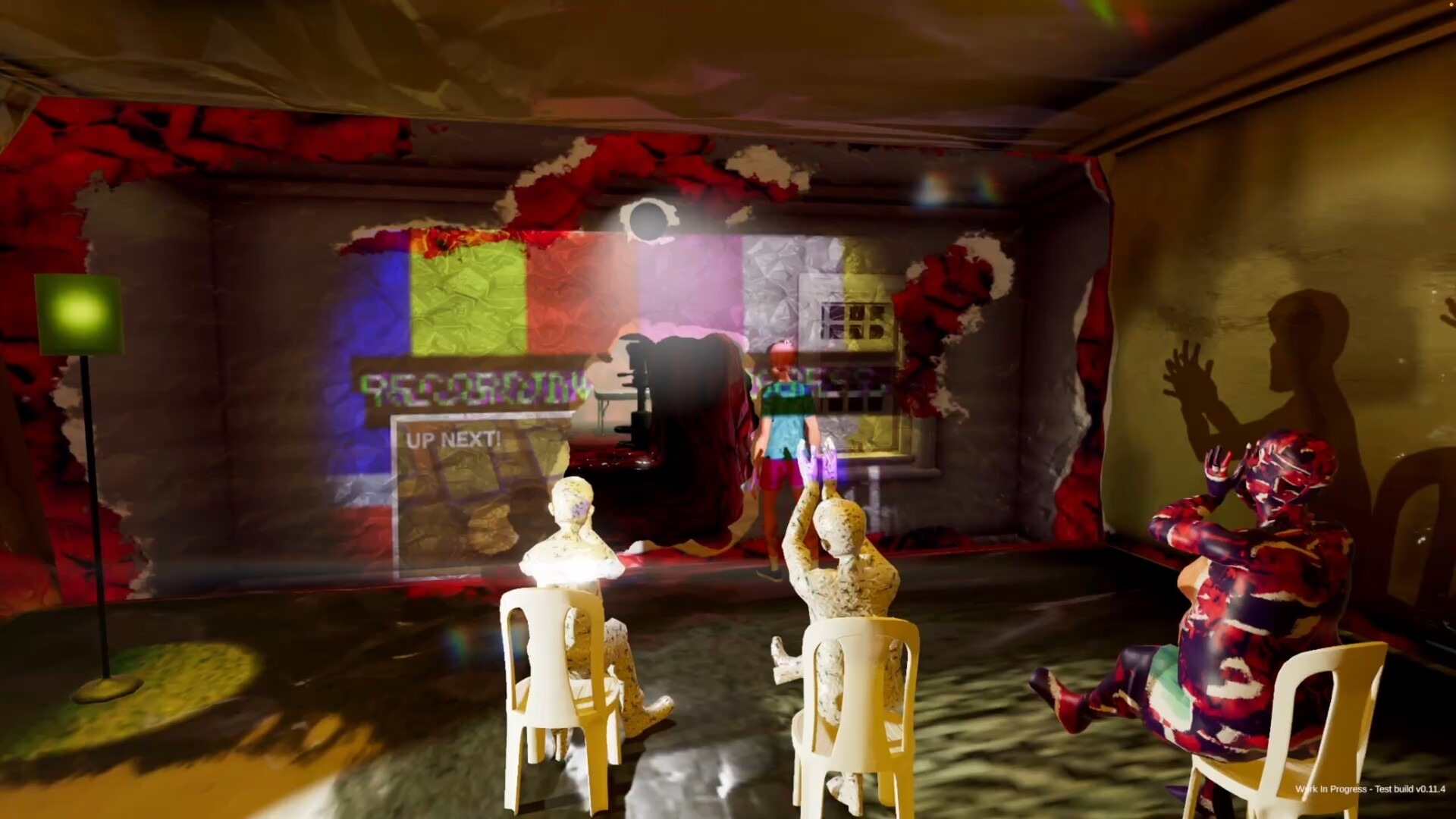
Another team with a game set to launch in 2026 is Fuzzy Ghost. According to developer Pete Foley (one half of the studio), there are just a few months left of work to be done, and a bunch of testing, and then Janet DeMornay Is A Slumlord (and a witch) will escape into the wild.
In 2025, Foley and his partner dealt with an array of challenges that held back progress, from the encroachment of world politics on the ability to maintain motivation, to continuing working while keeping well, physically and mentally.
‘I think it’s optimistic to say we “overcame” the challenges, but we did deal with them,’ Foley told ScreenHub.
‘We thoroughly reclused ourselves, for starters. We’ve been travelling a lot, and that has been peaceful and focusing. It can feel like we’re on holiday even though we’re still working full time. And meeting queers from all over the world is just the absolute best and most healing time. I highly recommend!’
The process of spending the year fleshing out Janet DeMornay and discovering its heart was aided by the development of resilience techniques, including falling in love with farming sims and entirely disappearing into games as a form of self-care.
‘Disconnect when you need to,’ Foley said of advice he’d pass on. ‘If you’re overwhelmed, it doesn’t make you a bad person to disconnect from world politics for a day, a week, a month, or the year. Knowing minute-by-minute what psycho shit is happening overseas isn’t making you a better person, especially if it’s breaking you.’
Foley also recommended being useful to someone else, to give them a hand.
‘I can get this self-centred feeling of overwhelm. I’m overwhelmed. I’m struggling. I feel that giving someone your time, like being a shoulder to cry on, helping out with someone’s rent, or just being there for someone to talk to, dismantles that. It reminds me that the world is just made up of individuals, and if I helped one of them, that’s one better than it was before.’
Shifting focus allowed Foley to reset his mind, and to imbue Janet DeMornay with more of his personal experiences, and his belief in the importance of helping others.
‘I’m really really happy with how it’s turned out, and that we’ve managed to get so much of our stuuupidly ambitious plans in there,’ he said.
Chaos Theory dealt with challenges in 2025 but aims for a bold future
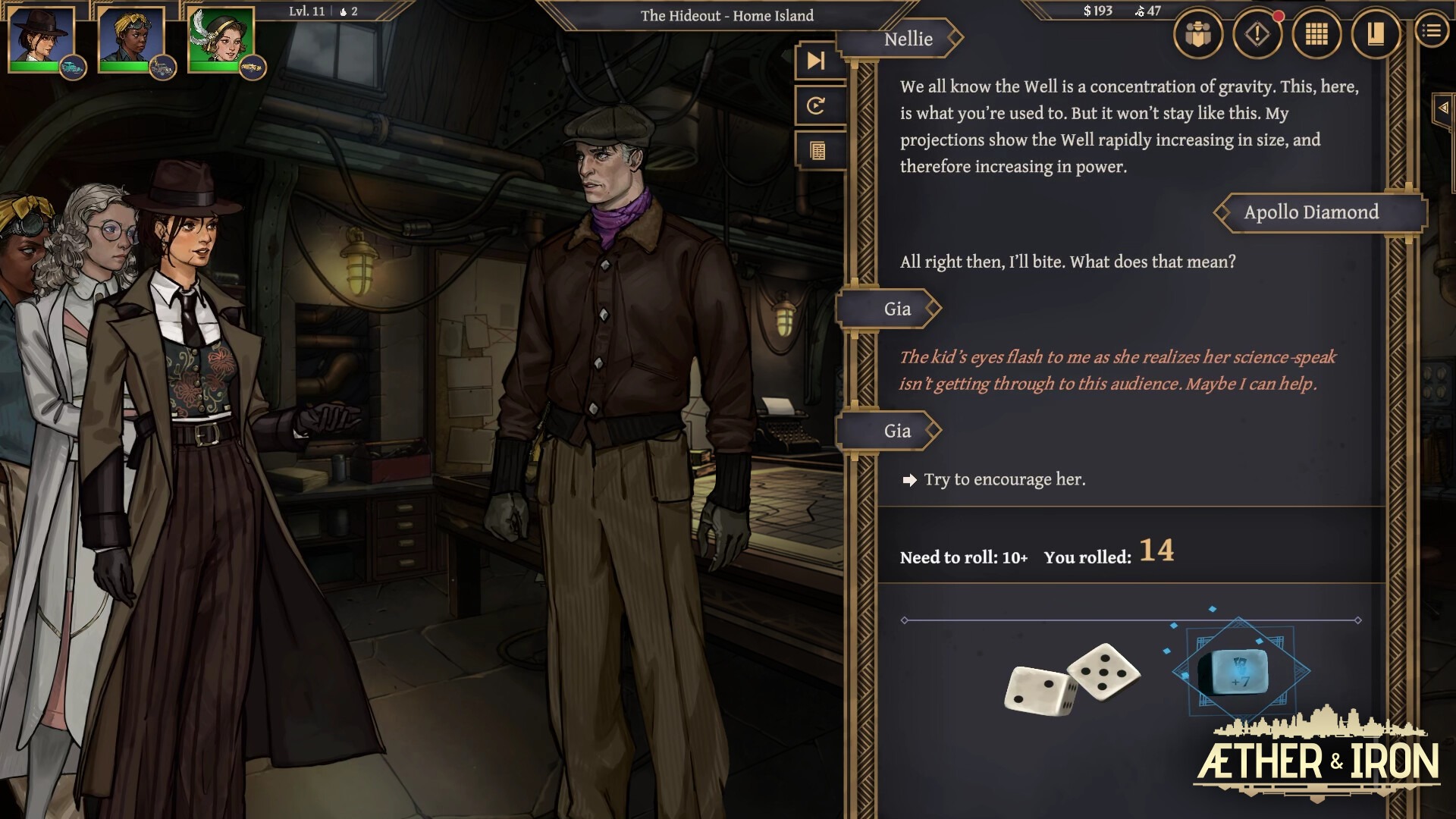
Sydney-based studio Chaos Theory had a ‘whirlwind’ year in 2025 – but according to managing director James Lockrey, the team wasn’t immune to the winds of change. As he noted, Chaos Theory dealt with a significant slowdown of work-for-hire opportunities this year, as well as spiking competition for publisher interest, and a reduced lack of investments in games.
Despite this, the team forged ahead with ambitious plans for its new projects, including its next in-house IP, Rusthaven, as well as Aether & Iron, a ‘decopunk narrative RPG’ in development with Seismic Squirrel. It also helped to launch Beyond Blue VR alongside E-Line Media, a virtual reality experience that takes place in an ocean environment.
Lockrey said that working on these projects – while also balancing new ideas ‘with the reality of [Chaos Theory’s] team size and resources’ – allowed the team to grow stronger and more resourceful throughout 2025.
‘I’d like to think 2025 made me a better developer, or at least a more adaptable one,’ Lockrey said. ‘I’d like to think I haven’t plateaued yet. I still get excited every time we have a new build to play, and as long as that feeling’s alive, I’m probably growing.’
‘Our team is absolutely stronger. We had a few changes this year, some farewells and some wonderful new arrivals. But what’s left is a team that still chooses to show up, excited about the worlds we’re building.’
Speaking to advice worth passing on, Lockrey was blunt about ambitions and scale. To ship a game, he said, developers must consider ‘shrinking the dream’. More important than that was to remember, at all times, that the people you work with are always more important than the games being worked on.
‘It’s a weird era to make games,’ Lockrey said. ‘On one hand, mass layoffs and studio closures everywhere. On the other hand, tiny teams are posting unimaginable numbers on Steam and elsewhere.’
Given this weirdness, all developers can do is press on, forging ahead for a brighter and bolder future. That’s exactly what Lockrey hopes will await Chaos Theory in 2026.
‘We’ve got some exciting launches and announcements lined up, and I’m eager for the team to finally share the things they’ve poured so much of themselves into,’ he said.
As for the Australian games industry, Lockrey hopes it holds steady, continues to grow sustainably, and continues to ‘release bangers’ like Hollow Knight: Silksong and Schedule 1.
‘The global industry is wobbling, but Australia has become one of the best places to make games. We have a supportive and creative community. My hope is that we keep taking advantage of that.’
Heading into the future, that’s what local game developers should focus on, as a guiding light that encourages forging on, continuing to develop new creative ideas, and continuing to invite audiences into unique, beautiful and creative worlds that illuminate the power of video games.