Hi Andrea. What’s a TV fixer, and how do you become one?
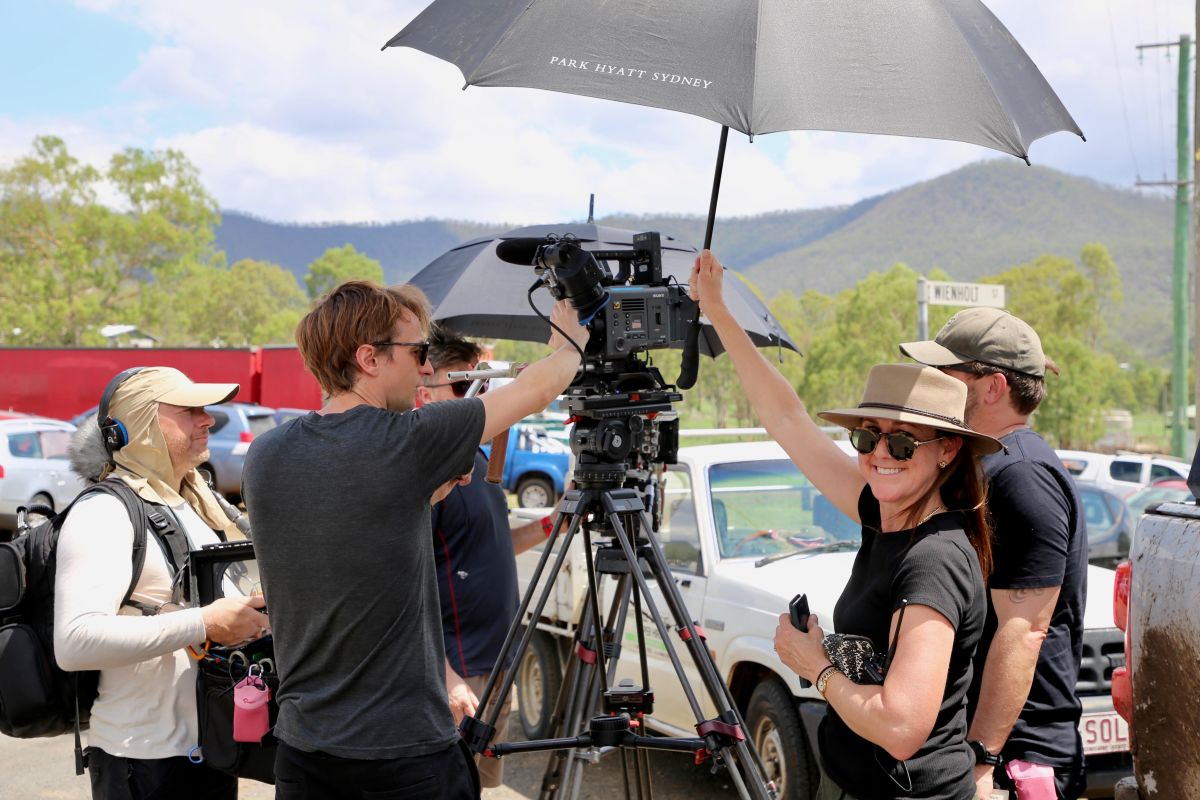
I’m someone who specialises in assisting production companies from overseas who are coming to Australia to film. I provide all the protocols for filming here, all the local knowledge of the country, as well as the information for each state, because each one has different rules.
It can be a large job or a small job. Visas, flights, transport, hotels, crew, equipment, locations, story ideas, talent ideas, permits – so many things.
I worked in TV production for more than 20 years in Australia, as a line producer and producer. I was head of production at a very successful production company in Sydney that looked after local work as well as big international broadcasters like Discovery, National Geographic and the BBC. I looked after many teams and oversaw the logistics of filming around Australia and overseas.
I gained lots of experience from being on the ground with shoots, from being across all the details and have strong budget and scheduling knowledge. So, 20-plus years of doing all that taught me how to solve problems and make things run smoothly.
Basically, I’ve fixed things in the past, and still do, so that’s how I see myself.
What makes a good fixer?
You need to have incredible communication skills, whether written, in person or on the phone. You’re communicating all day long, especially in the lead up to a shoot date. If you’re working with international crew and production companies, you’re speaking with them through the night or early morning because of the time difference. You’re also doing tonnes of emailing, setting everything up.
You have to be amazingly organised because this is logistics, but on steroids. It’s detail driven. If you’re bringing a couple of dozen people to the desert, you need to get it right. You also need to be super flexible, because the shoot you’ve organised might need to change overnight and you need to come up with something else.
The producers and executive producers are trusting you with so much, so you need to have a really honest relationship with them and keep them informed about what’s going on. You’re there to fix things, so it’s important not to panic if things change suddenly, because they do.
What are the main highlights of your job?
I love researching and working through all the elements that each production needs, because every single job is different. I’m able to answer about 80% of inquiries on the run, but there’s still 20% that I need to research.
I love when I have the opportunity to explore a new part of Australia for a shoot. I feel I’ve done a really great job when I’ve shared some part of Australia with a production company and the shoot’s gone really well, and then they want to come back here with their families for a holiday.
Just before Covid happened, I worked with a UK crew that was down here filming the Netflix series Jack Whitehall: Travels with My Father. That meant looking after 25 crew, a massive budget, and tonnes and tonnes of equipment being transported all around the country. Location permits, drone permits … I did all their visas, I did everything – it was epic.
That was absolutely amazing, and they were thrilled.
What advice would you give someone looking to get into this line of work?
You need to enjoy exploring the world, meeting new people, seeing new places.
I ask lots of questions wherever I go, whether that’s on a shoot or travelling for pleasure. Even in the workplace, I’ve always asked lots of questions of people that have been senior to me so I can learn from them.
When we’re shooting, I might be up at 5.30am and going to bed at 11 pm, so you need to be able to cope with that.
You definitely need production experience because you’re the go-to person for production people from around the world. They’re looking to you to drive everything.
You need experience setting up shoots, planning and researching locations. And good spreadsheet skills are vital because you’re moving here and there and everywhere. What does a call sheet look like? How do you run a budget? There are just so many things.
Knowledge is essential, and I think you’d need at least seven years’ production experience to be working as a fixer. But I’d recommend it to anyone who has the right skills and areas of knowledge – it’s a great career to go into.
Visit Australian Fixer HQ for more information. Follow Andrea at Australian Fixer HQ on Instagram.