In these turbulent times, storytelling is more important than ever. The Victorian College of the Arts (VCA) in the Faculty of Fine Arts and Music at the University of Melbourne is equipping the next generation of storytellers with the collaborative skills and technological adaptability to tell the stories that matter.
David Balfour, Head of Film and Television at the VCA, describes students as being ‘at the centre of a creative journey shaped around where each student is at, and where they want to go – underlining a strong focus on developing a distinctive creative voice, navigating complex collaborations, and building strong craft skills across disciplines’.
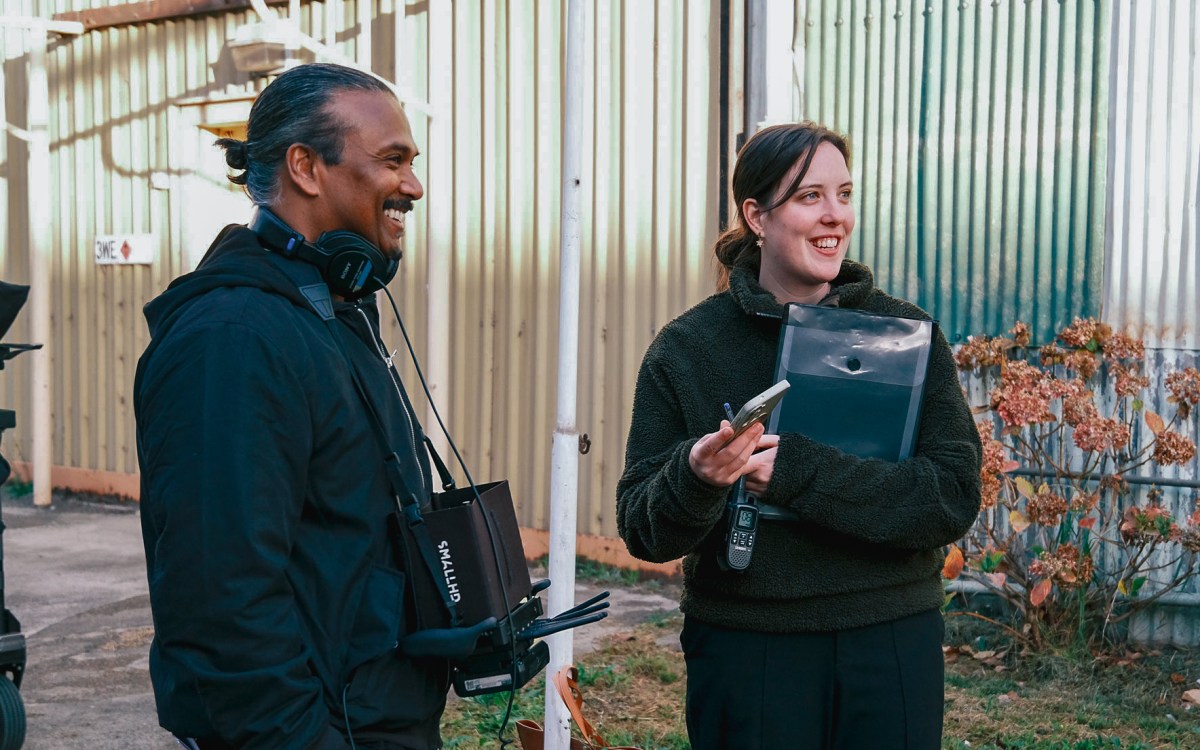
At the VCA, students from a variety of undergraduate and graduate programs are provided with inter-disciplinary collaboration opportunities to develop their creative networks and forge lifelong partnerships.
Production designers work with screenwriters and directors to produce films. Composers, musicians, dancers, sound designers, animators and actors connect creatively, developing their own skillsets in relationship to other student projects to cement skills that will extend far beyond their education.
‘Just like real world projects, we have to adjust, tweak and compromise around schedules, budget and crew/cast wellbeing,’ says Ravi Chand, a graduating student of the Master of Film and Television.
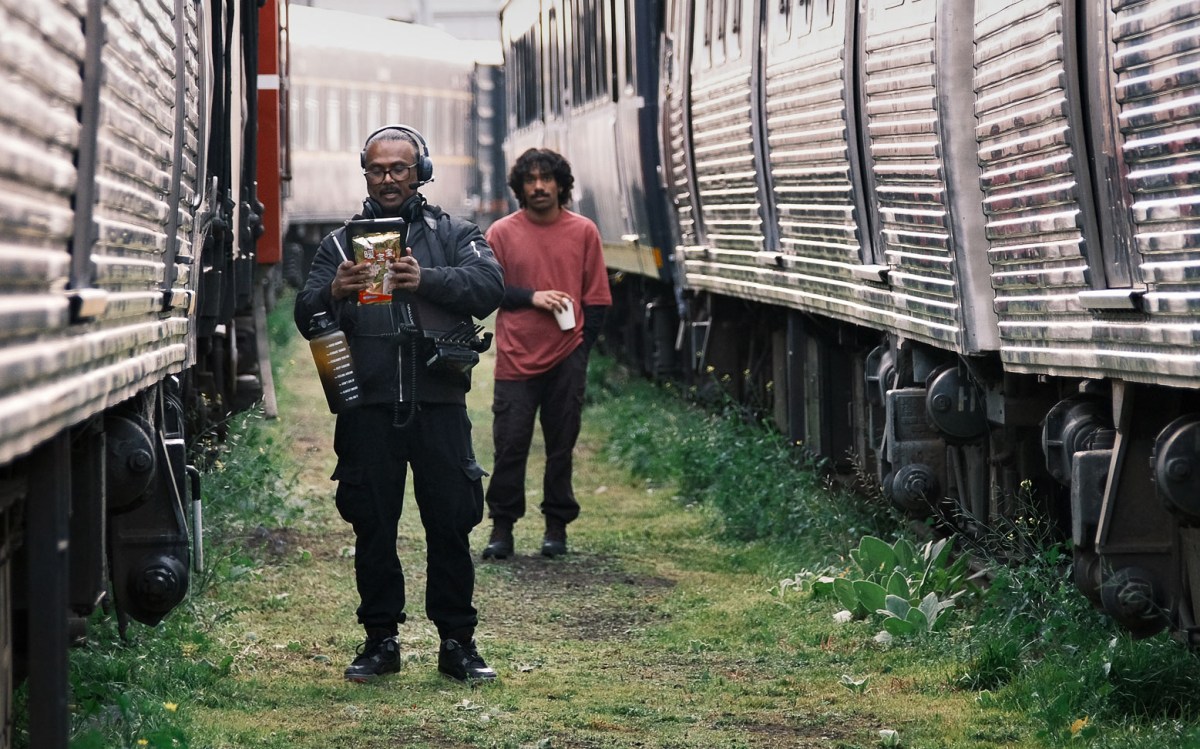
The collaborative spirit engendered in students reinforces the importance of creative allies. Collaboration is not a tokenistic add-on to the program: it is integral.
The ability to adapt is as important as the ability to collaborate. As the screen industry evolves, so does the VCA. Their Virtual Production Space enables the creation of environments on set, using LED screens to project environments of 3D worlds that allow actors to move through virtual spaces in real time. Collaborations within the Virtual Production Space enhance students’ understanding of new methodologies and processes.
The VCA enables emerging filmmakers to develop confidence through constant iterating. Small projects scaffold onto larger projects, building on developing skillsets. Students often collaborate on ‘fast films’ within short time frames, to ensure they aren’t stuck in their heads. Slower projects enable students to sit with their work and interrogate their developing practice within a safety net of deep support.
Ultimately, both fast and slow works build the technical skills and creative confidence of students, generating a muscle-memory of creation from ideation to practice.
The VCA emphasises complex collaboration and technological adaptability across all its programs, centring both artist and story, with the goal of helping creatives hone their storytelling skills.
‘Creating stories that provide hope, cultural connection and self-worth is a truth-telling that ensures those who face the real world implications of racism feel seen, heard and understood,’ explains Chand. ‘It can inspire allies to not be silent and speak up. That’s the power of screen storytelling because it brings humanity back into the conversation.’
At the VCA, all students are storytellers, regardless of their role or discipline. They develop respect and reciprocity, secure in the knowledge that no one artform has primacy. The VCA is uniquely innovative in the way it fosters collaboration, adaptability, and skill development for all students – across all disciplines – to tell stories that matter.