Like a lot of the ABC’s arts coverage in recent years, what’s left out of When the War is Over is at least as important and interesting as what’s put in. This documentary series about how art and pop culture help us understand and heal from war is a slightly classier product than the various ‘best of’ lists the ABC loves, those engagement-driven examples of clickbait that treat art as a competition and enrage anyone expecting anything but a pure popularity poll.
All the same, the big draw here is simple: what works of art has the ABC chosen to represent the experiences of Australia’s wars?
It takes a little while to get to anything akin to a surprise. Well, unless you count the fact that a series about the arts starts off at an AFL game, but we’re all well aware of the prime position that sport has in Australian culture.
When the War is Over review – quick links
The art of war
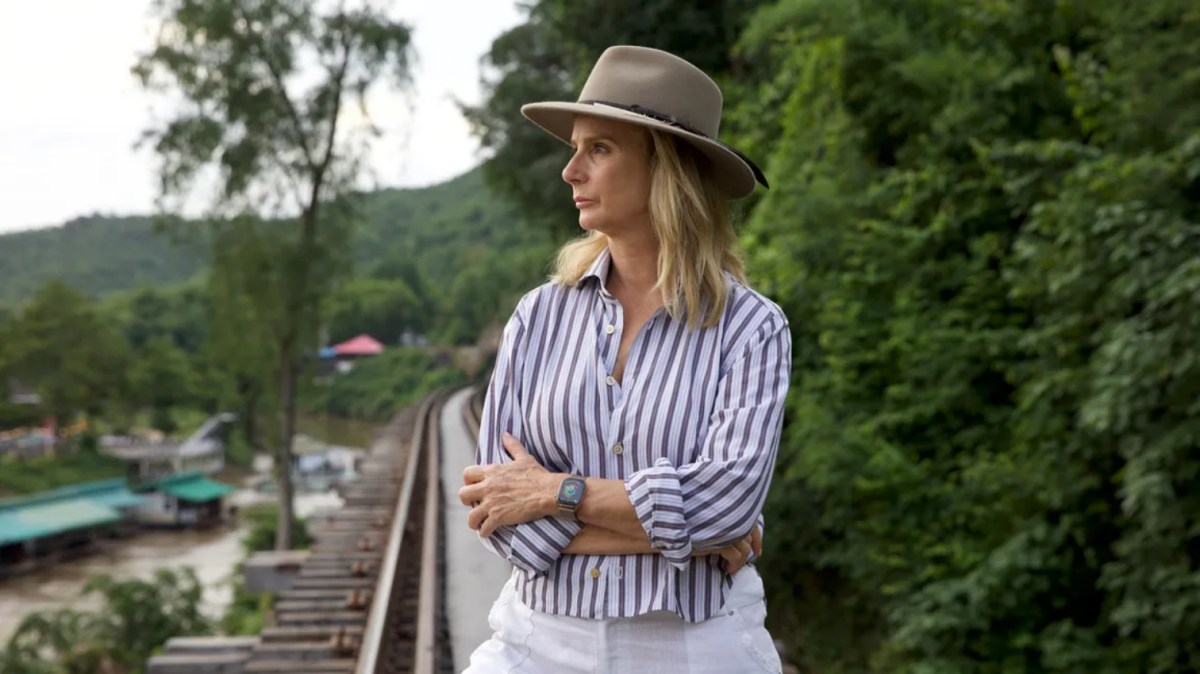
The first episode of When the War Is Over looks at Gallipoli, so the 1981 film Gallipoli is the main focus of host Rachel Griffith’s exploration. It’s a solid look back at the film, with a decent dose of actual history mixed in, with interviews with director Peter Weir and scriptwriter David Williamson.
Presumably leading man Mel Gibson was unavailable for comment, though he has gone on to star in and direct a number of thoughtful war movies throughout his career (and also Braveheart).
Episode two is the Vietnam War, and sorry fans of The Odd Angry Shot, it’s the one-two punch of Cold Chisel’s Khe Sahn and Redgum’s I Was Only 19 that grab the spotlight here.
While the famous faces have insightful stories to tell about the inspiration for their music, more interesting is a chat with Brisbane-based hip hop artist Minh Nguyen (aka Chong Ali), whose music looks at the post-war refugee experience.
The vision of art in these first two episodes is largely of sombre, society-defining work, a kind of cultural glue that elevates the experience of war to something that creates a nation long after the guns fall silent. This is how we turn war into culture, it says, and these are the works of art that explain war to the rest of us.
As Griffith’s says in her intro, ‘I believe that when it comes to understanding war, art is our secret weapon.’ Guess that rules out The Emu War.
Read: The Idea of Australia review: high energy history
When the War Is Over skews to the big hits
But by mostly focusing on highbrow, socially acceptable works of art, the picture we get of history can sometimes feel somewhat one-sided. It’s hard not to wish for a version hosted by Mitch McTaggart of The Last Year of Television fame, trawling through the dusty corners of Australian television to find the less acclaimed attempts by the media to come to terms with war.
Where’s the love for 70s series Spyforce? Or the string of big budget, commercial 80s mini-series that tackled both the first world war (the Paul Hogan-starring Anzacs) and the second world war (The Cowra Breakout)?
It’s possible that art that truly explains war would struggle to find an audience. That’s often the case overseas: something like the Soviet-era film Come and See, about the partisan war against the invading Germans in the second world war, is authentically difficult to watch.
Even more commercial films can raise questions. While the rest of Saving Private Ryan is a different matter, you don’t come away from the opening D-Day landing sequence thinking higher thoughts about the human struggle.
Journeying into more rewarding territory
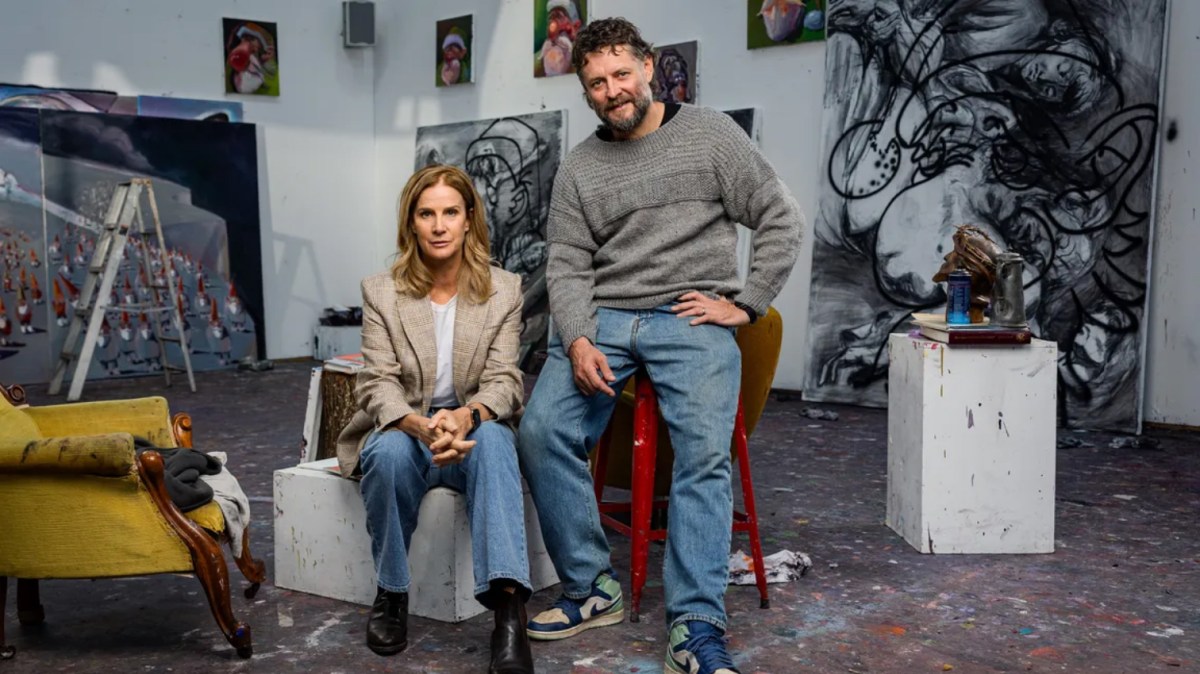
Fortunately episode three takes a different tack. In the spotlight here is war artist Ben Quilty’s nude portraits of Afghan War veterans alongside a look at how the high rate of suicide amongst returning soldiers has inspired a variety of artistic responses. By looking at people turning experiences with war and its aftermath into art, this is easily one of the series more interesting and thought-provoking instalments – one that justifies the series all on its own.
Episode four tackles a somewhat uncomfortable truth: that our nation’s second world war story is largely built around prisoners of war. So, a retrospective on the ABC mini series Changi and those episodes of The Sullivans where Terry was a prisoner of the Japanese? Sadly not, though the Richard Flanagan’s Booker Prize-winning novel The Narrow Road to the Deep North – recently turned into a critically acclaimed miniseries – does rate a mention. You know it’s a serious piece of Australian art because it’s about a man who falls in love with his aunt.
The final episode looks at art dealing with the Australia Wars – the clashes between Indigenous peoples and colonists that ran from 1788 through to the 1930s that were largely erased from the public memory. Again, by looking at lesser known and outsider art dealing with the conflict, this episode goes beyond reinforcing the usual narratives, and is all the better for it.
The ABC is to be applauded for finding a way to connect art back to society, showing how it reflects our history and in turn provides a lens through which we can all view the experiences that shaped our history. But with a full five episodes to play with, When the War is Over too often fails to look beyond the obvious. Or the serious, for that matter: has nobody, in all of Australia’s lengthy history of conflict at home and around the globe, ever cracked a joke?
When the War is Over screens on Tuesdays on ABC, with the entire series available to stream on ABC iView.
Discover more screen, games & arts news and reviews on ScreenHub and ArtsHub. Sign up for our free ArtsHub and ScreenHub newsletters.
Actors:
Rachel Griffiths
Director:
Sophie Meyrick
Format: TV Series
Country: Australia
Release: 11 November 2025