RGG Studio’s upcoming RPG adventure Stranger Than Heaven made an early appearance at PAX Aus 2026, with a playable demo showing off its various eras and its unique, hard-hitting combat. It gave a solid glimpse at what to expect when the game launches in January 2027, showing off flash, style and confidence.
It also spotlighted the game’s toughest difficulty, which put away me and plenty of my fellow previewers, with its swift action and wild flourishes. Those looking for a challenge will likely find it here, as Stranger Than Heaven does feel markedly different than past RGG games, with a much tougher approach to combat overall.
Stranger Than Heaven preview – quick links
Walking through the eras of Stranger Than Heaven
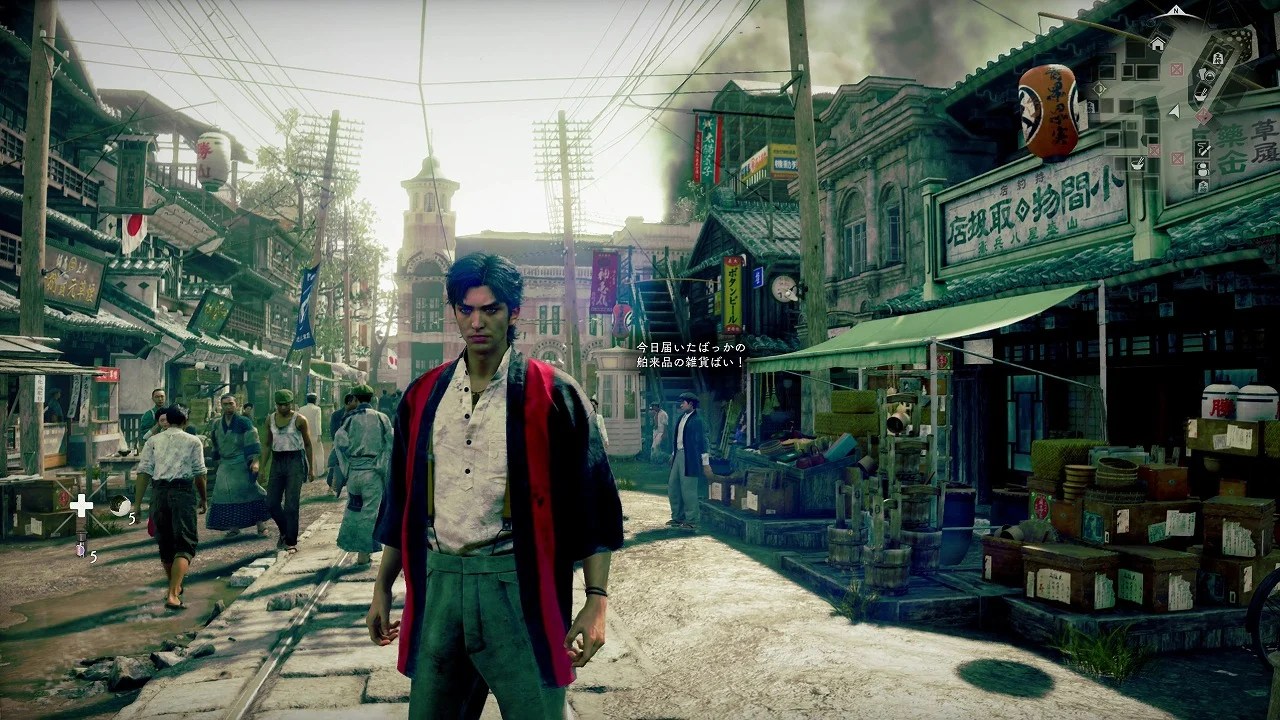
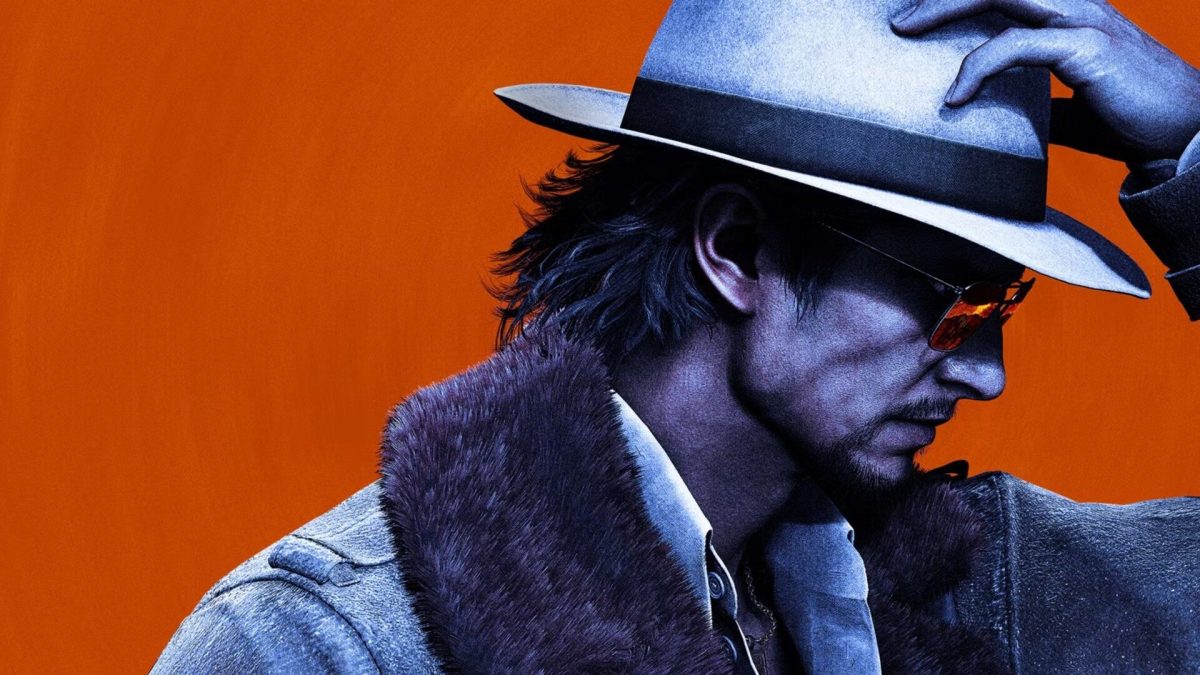
The demo preview of Stranger Than Heaven comprised three combat-focussed encounters. The first featured a much younger version of protagonist Makoto Daito, still in the early years of his journey across Japan. The second featured an adult version of the character in a new location. The third featured the ‘true’ version of Daito, as seen on the game’s box art, complete with his stylish hat and coat.
In all scenarios, Daito faced opposition as he encountered rival gangs and enemies, all keen to take him down for one reason or another – unclear in the demo, but perhaps as a result of his outsider status.
For those unfamiliar, Stranger Than Heaven follows Daito’s journey as a half Japanese, half American outcast who charts the fringes of Japanese society across multiple defined eras. With his bright blue eyes and striking sense of style, he’s recognisably different – and so, he becomes a major target. At the same time, Daito is a bit reactionary. He strikes out on his own for a new life, with a sense of determination to reach for and obtain everything he wants.
In the course of his journey, he meets up with another Japanese-American orphan, gets involved in the yakuza Tojo Clan and meets a menagerie of other folks, all trying to make their own fortunes against the backdrop of a changing world inspired by our own.
Along the way, of course, Daito gets into all sorts of trouble, plenty of which is seemingly of his own making.
Getting hands-on with Stranger Than Heaven
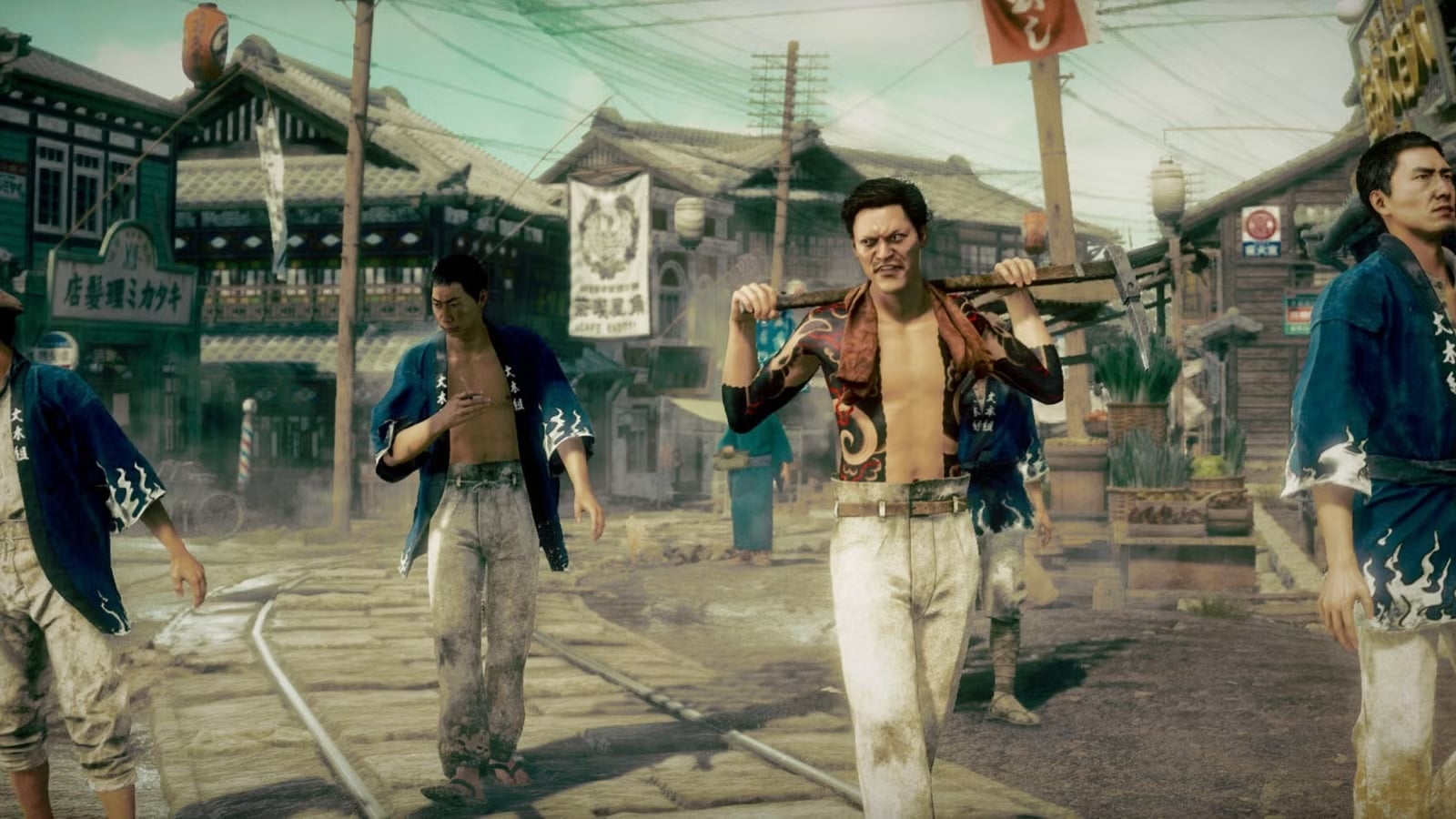
Each portion of Stranger Than Heaven revealed more about Daito and his trouble-making ways. Wandering through various villages – Kure, Minami, Atami and Shinjuku amongst them – Daito wanders with questing in mind, but is often distracted by roving gangs in need of learning lessons.
The first battle, set to easy, featured our hero taking on a rival gang in a sleek, dynamic fight where multiple opponents was never an issue. Daito can be a bareknuckle fighter or use weaponry, with the controls mapped to his left and right swings.
Combat is very involved with these controls and you’ll need to spend quite some time getting used to the flow and how it lands. Lefts and rights must be delivered with precision, noting enemy blocks, who’s trying to get you from all sides and how to break defences.
Easy mode, as you’d guess, was fairly simple. It allowed for a quick learning of this left and right split, and to see how Daito moved in action. While past RGG Studio games are a bit more forgiving with button-mashing, there is a precision here that lets you get more hands-on and active in combat.
The medium difficulty fight, against a roving gang making trouble, felt just about right.
This particular fight layered in strategy, with enemies delivering harder hits, and more precision needed for blocks and attacks. It’s likely most players will be playing on this setting, as it gives the higher stakes necessary for tension, while not being so difficult as to be frustrating.
And if you do really want to be frustrated, the final portion of the Stranger Than Heaven demo highlighted how difficult the game’s hard mode will be.
This fight, the most memorable of the bunch, was against a fast-moving swordsman with high damage and very little regard for your wellbeing. In three attempts, I only got close to putting him away once, as his combat is relatively unforgiving of small mistakes.
You must guard yourself for most of this battle, only striking out when you see an opening between his swings. If you don’t, you’ll wind up skewered like a kebab or forced onto the ground, to take part in a mini-game where you’re dodging and rolling, hoping you don’t get sliced by the swordsman.
It’s particularly shameful to be timed out during a demo, but the experience of attempting to survive this onslaught did at least highlight how tough Stranger Than Heaven can be for those looking for a challenge. That’s not quite me. I prefer to involve myself in a deep story, and that’s exactly what excites me about Stranger Than Heaven on those other difficult modes. But anyone looking for tough-as-nails but fair and rewarding combat will find plenty interesting about this experience.
In this first taste, Stranger Than Heaven was wildly appealing, from its moreish and dynamic combat to its world-building and characters. Daito is deeply interesting and his backstory is rich ground for an adventure through multiple historic eras. I’m certainly keen to see what comes next, and to meet that entirely rude swordsman in battle once more.