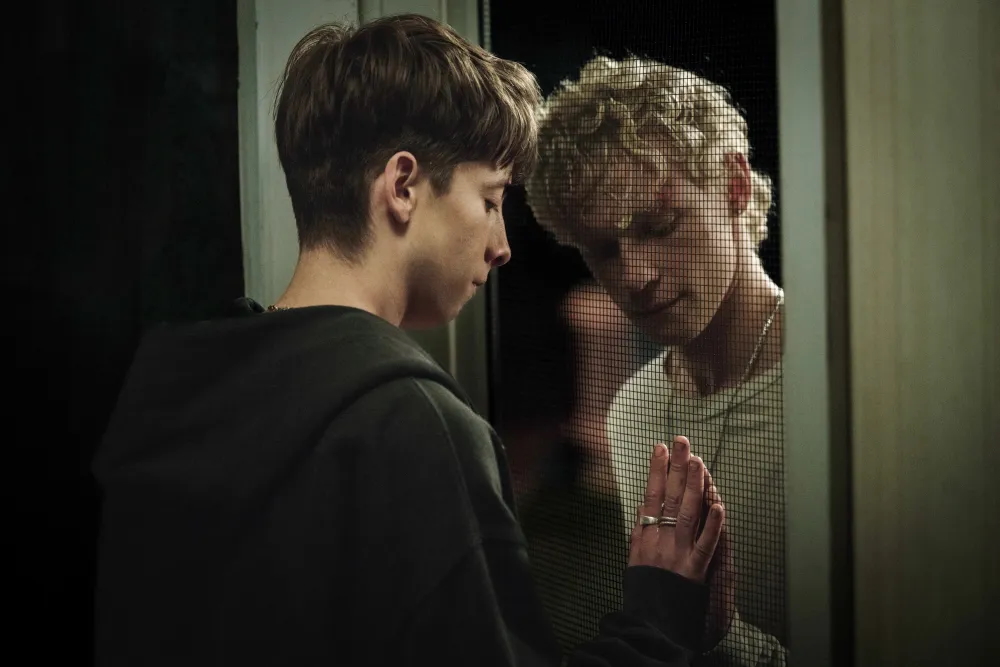
Curry Barker’s box office-busting horror film Obsession has certainly lived up to its name. Over the last few months, it’s been tough to avoid it. The film has a buzz that feels unique, and one that’s been sustained by word of mouth, critical reviews and an extended cinema run that has led to a reported box office taking of US$475 million (AU$676 million) – eclipsing its meagre US$750,000 budget.
There are lessons to be learned from Obsession here in Australia, and particularly important ones in light of recent reports about the state of Australian cinema and a perceived ‘misalignment’ between released projects and what audiences actually desire.
Obsession is just one key indicator of a growing want for more clever, artful and thrifty films elevated by fresh faces – and particularly genre stories, such as those in the realm of sci-fi, fantasy, horror and action. But the hit is not the only example of recent successes in this arena.
Kane Parson’s Backrooms, supported by A24, is another key indicator of this particular lower-budget genre success. While its exact budget has not been confirmed, it’s believed this film was made for under US$10 million. Its box office success is reported at US$395 million.
Break-out Australian horror film Leviticus, also produced on a lower budget of around US$3.5 million, reportedly achieved a solid return at the box office of US$8.5 million. More importantly, it achieved critical acclaim and restarted conversations about Australia’s excellence in genre filmmaking, and ability to tell meaningful stories through a fantasy lens.
In a world where the cinematic box office is typically dominated by larger-budget, better-marketed American films, some of which boast budgets of $200 million and above, low-budget genre films are still making a major impact. In some cases, they’re overtaking their higher-budget equivalents.
It all comes down to a great idea, great execution and meeting the audience where it’s at.
That’s something Australian screen practitioners are well-positioned to deliver – with the right support.
Backing Australian genre cinema – quick links
Australia’s history in genre cinema
Leviticus is just the latest genre success for Australian filmmakers, but the country has a pedigree in this arena dating back decades. Some of Australia’s boldest and most memorable films have been fantasy or horror tales, with these delivering powerful, nuanced stories of suffering, persistence and courage.
Perhaps Australia’s most famous export is the dystopian Mad Max franchise, which has entranced audiences for decades ever since the first film released in 1979, remaining alive through various sequels and spin-offs. With the rare exception of its most recent release, Furiosa (2024), the Mad Max films have been global box office successes, underscoring Australian creativity and ingenuity in high-flying stunts, powerful storytelling and gut-busting performances.
Horror film Wolf Creek (2005) is equally synonymous with Australian cinema, as it introduced audiences to the perceived horrors of driving roads in the Australian outback (and perhaps unfairly stereotyped the country for years to come). Like Mad Max, this film found an international audience with its clever ideas, thrifty delivery, tight story and impressive performances from its core cast.
Australia has really become better known in recent years for horror films, and particularly those that, like Obsession, are defined by a topical fear or theme that’s transcendent and hyper-relevant.
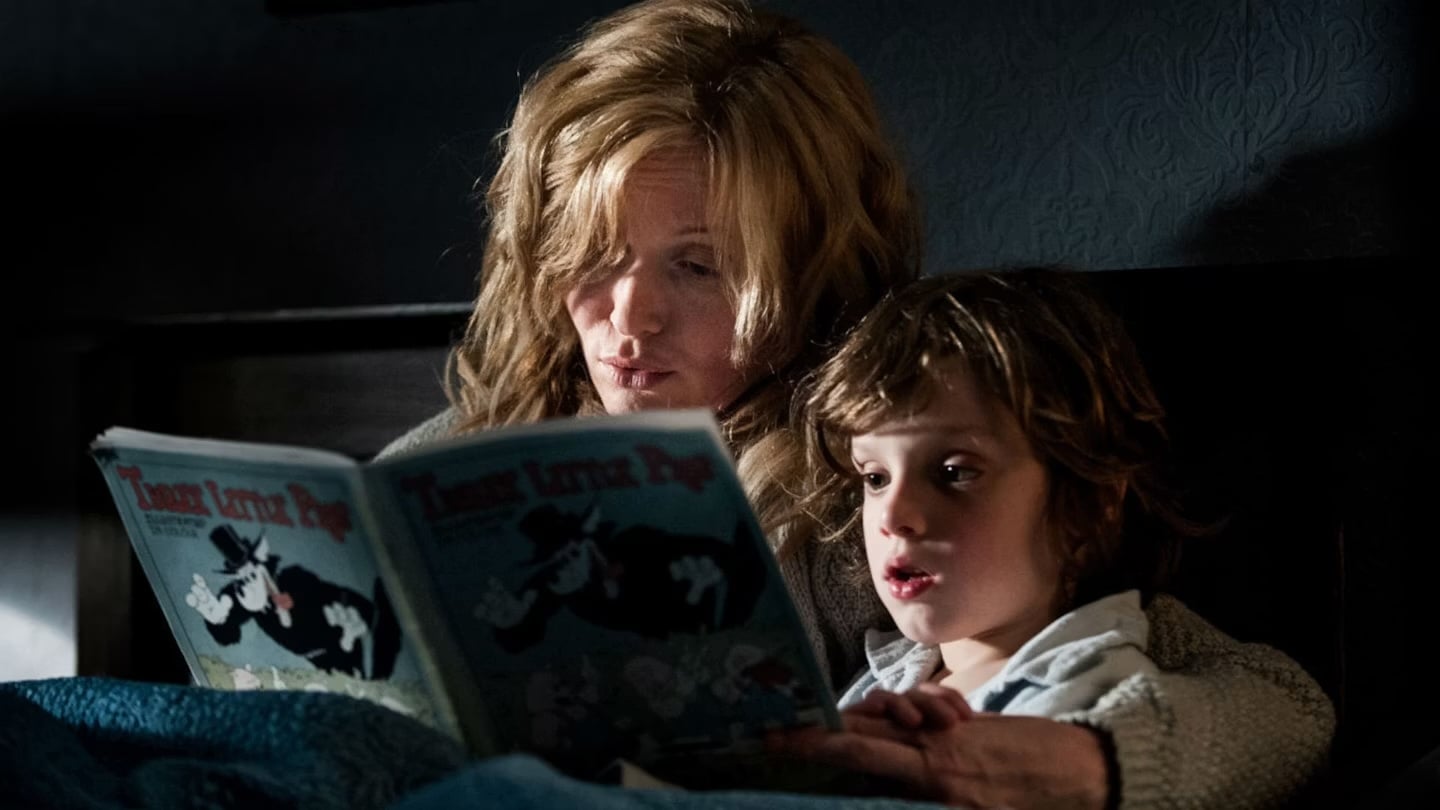
The Babadook (2014), a moderate low-budget success, focused on grief and the horror of parenting, becoming a cult classic of Australian cinema in the process. Daybreakers (2009), a co-production with the United States, focused on a fear of food scarcity and global tyranny through the metaphor of the vampire.
Talk to Me (2022), one of Australia’s biggest recent horror successes, explored the fear of the unknown, the loss of bodily control and the new freedoms of young adulthood.
Many of Australia’s most successful films are defined by a similar approach, as the most impactful art often provides an insightful, hard-hitting look at fears, dreams and fantasies.
With a light separation from reality, genre films can take audiences on vast, sometimes horrifying adventures, leaving them with a lesson, or otherwise allowing them to confront hard themes they would otherwise recoil from.
Australian filmmakers are a talented bunch, and their potential to succeed with stories of this calibre is unmatched. It all comes down to the support available, and how these films are made.
The current opportunities available for funding genre films
Australia is relatively blessed, with screen organisations that currently do great work supporting films, series and other multimedia projects through various funds, grants, mentorship programs and other kinds of support. The country should not take for granted the opportunities made available through the work of these teams, and what they’re able to accomplish within their government-allotted budgets.
There are often tough decisions to make when it comes to funding films. And the reality is that genre film tends to be more expensive than projects in the much lower-budget drama or comedy bucket.
To be believable, a genre film must consider costly stunts or VFX, all of which can increase budgets significantly.
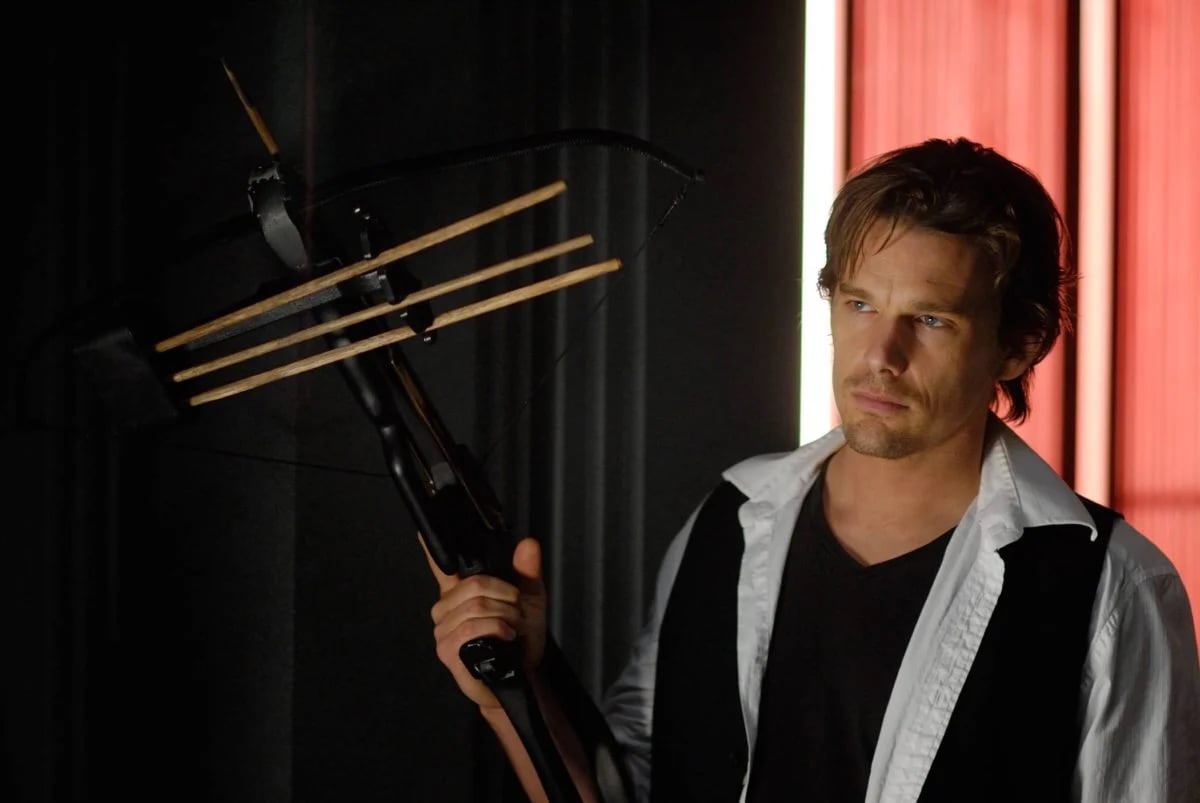
There is always a consideration for quality and quantity in funding decisions, but there can be a perception that better value is more projects, not fewer projects with bigger ideas. Throw everything at the wall, and something will stick.
With a more considered approach, more variable budgets and greater consideration for genre films, as slightly more costly investments, Australia’s cinematic offering and its international appeal could grow.
Screen Australia, the country’s leading funding body, has an array of funding opportunities available for all facets of cinema, from market and audience testing to channel management, narrative content production, international pitching, documentary production, and more.
ScreenHub: Penny Lane is Dead review – a gripping ripper
Certain funds, including the Narrative Content Production Program, can provide funding in the hundreds of thousands, depending on the project, with the cap dependent on producer needs, co-production agreements, network agreements, and so many other complex elements of filmmaking.
The stated aim is to support ‘exceptional’ and ‘distinctive’ stories for a range of audiences, backed by talent at all career stages, along with viable budgets and market pathways to local and global audiences.
It’s clear the desire to support strong, creative stories is there, and that funding can be obtained for those with talent and experience. The difficulty is in encouraging a greater spread of genre films, and foregrounding the ways they can connect with modern audiences and their desire for escape.
Australian filmmakers create incredible dramas and comedy projects too, but there is an over-saturation in the market, in a way that makes new projects feel homogenous.
We should be funding more diverse genre projects in Australia, trusting in clever, artful ideas backed by strong talent – both emerging and veteran practitioners. It’s part of the fabric of the country’s cinema, and what our filmmakers have always excelled at.
The enduring, global appeal of genre cinema
The local and global appeal of genre cinema isn’t strictly new.
For decades, the box office has been ruled by big budget fantasy fables and hard-hitting action films. Superhero cinema might be experiencing a brief downturn – excepting the roaring success of Spider-Man: Brand New Day – but it has been one of the most popular genres from the late 2000s until now, delivering bold, fun, high-energy features about ordinary people becoming heroes and fighting against the embodiments of evil.
In recent years, we’ve also seen a significant rise in interest for horror at the cinema, despite a prior reluctance to support big budget horror releases. There’s likely deeper reasons to be psychoanalysed here, but it’s fair to say the popularity of horror is growing – whether it’s because nothing is as horrifying as the current state of the world, because younger people are fearless, or because horror has slowly entered the world of mainstream entertainment through YouTube and video games.
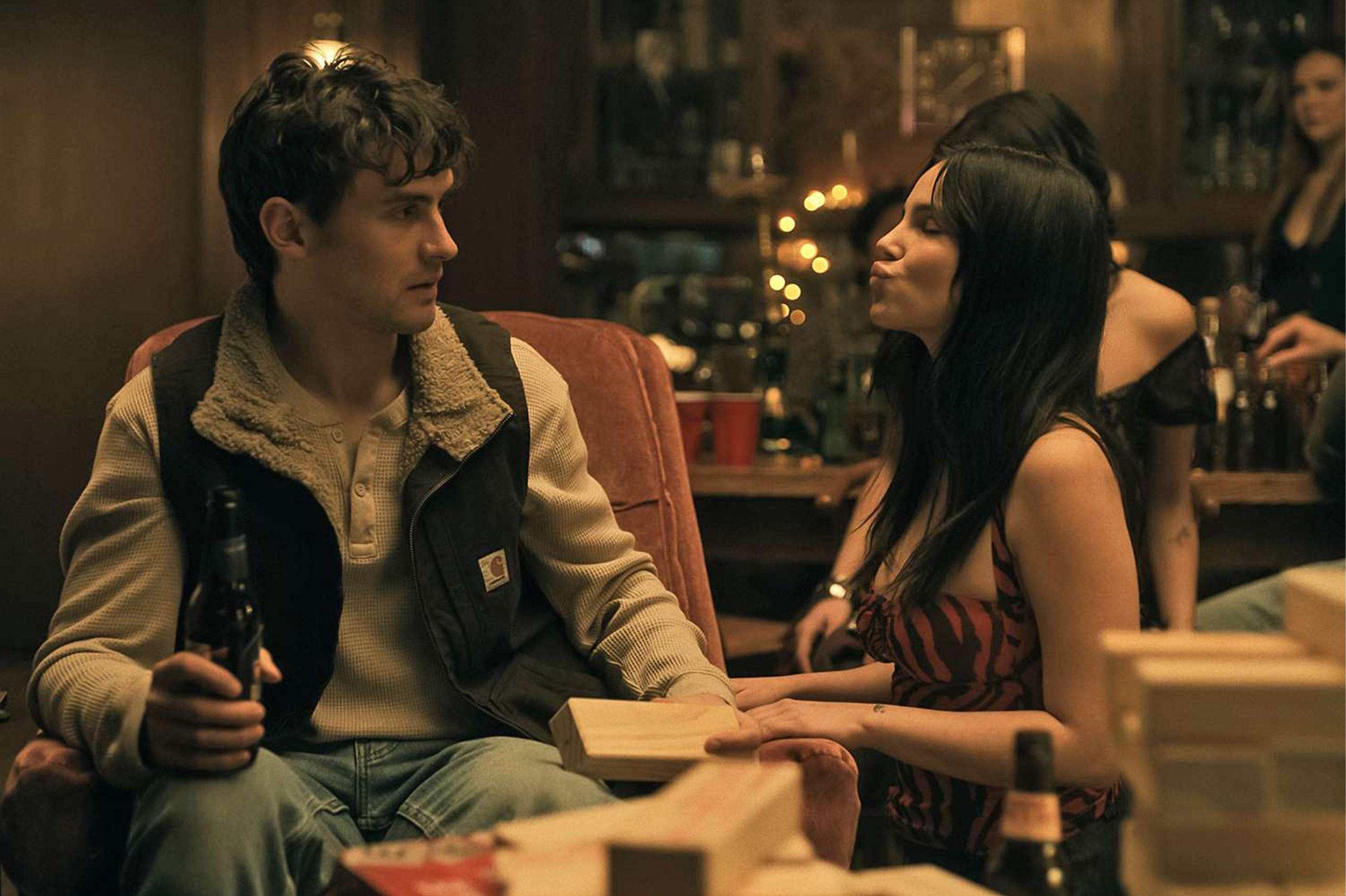
Regardless of the reasons, it’s become a powerful force, with recent successes delivering lessons about the world, individual behaviour, the danger of obsession, and the power of courage.
These are enduring themes that appeal, regardless of subject matter. Genre films tend to make people feel powerful – or powerless. They send audiences on adventures of all kinds, whether to the dark heart of the world, or to magical and dazzling realms.
Escapism, in the current landscape, is an entirely appealing proposition.
And if it isn’t escapism motivating audiences, perhaps it’s the relief of seeing bad things happen to bad people, and lessons being learned.
ScreenHub: Saccharine review – freaky, fun body horror for the Ozempic era
Genre cinema, as so distinct from reality, gives the opportunity to tell imaginative stories rooted in real-world behaviours and consequences in a way that’s abstracted, but close enough to understand.
Beyond the reasons why people enjoy the film, what should be learned from Obsession is that a big budget is not the most important part of these films. It’s the ideas, clever writing, strong acting, and artful delivery – all of which can be delivered well by talented people on a lower budget.
As Australia’s history in genre proves, the country’s filmmakers know how to produce impactful storytelling, even with lower budgets, less lucrative funding opportunities, and without the resources of major filmmaking companies. Even without the flash and pomp of VFX or high-budget, action-heavy films, a good story can make an impact.
In the wake of Obsession, what targeted funding should support is a wider, more creative array of genre films backed by those strong, compelling stories that can enlighten, transport and horrify their audiences.