Heading into the 2026 Joy House Film Festival, I had misconceptions about its exploration of ‘joy’ as subject matter. Perhaps too simplistically, I had conflated joy with beaming positivity – expecting that in the short films selected, only good things would happen.
But as the Joy House Film Festival made clear, joy is not a standalone emotion. Joy does not exist without heartbreak or anguish. Sometimes, it’s only by going through tough times and surviving trauma that we can emerge on the other side, joyful.
Across a diverse array of films, that message of hope was clear.
And with a post-festival screening of Her Last Laugh, a new feature length film by Joy House Productions and directed by festival founder Joy Hopwood, the evening was a well-rounded exploration of the power and tension inherent in joy.
Joy House Film Festival 2026 – quick links
The challenge of finding joy in the real world
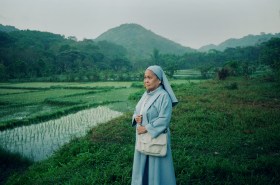
The short film that most embodied the message of the Joy House Film Festival – and also proved one of the most shocking – was Ya Hanouni by Sofian Chouaib. This short is delivered from the perspective of a child in a crib, who watches on as two parents compete to have them say their name first – Mama or Baba.
Overhead, the house begins to shake. The parents attempt to keep a lively spirit and maintain their competition. In the next moment, a loud blast is heard, followed by a searing white light. The scene goes blank. Rescuers then find the child in the crib and they speak their first words: Mama.
The short left the Ritz Cinemas crowd in silence for good reason. It’s a breath-taking film, and one that ends on a dour note. But it’s not bereft of joy, as it seems on the surface. In fact, it’s wholly about the act of joy: delivering joy to a another being, even in times of hardship; and finding ways to laugh and play even when the world seems dire.
And despite its ending, there is joy in the rescue of the child, and the revelation that their efforts and their joy have influenced the child, even in their absence.
Joy can be born from the toughest circumstances. The short is about harnessing it when we can.
Equally sad and joyful was the remarkable A Life in Transactions, from Katie Xiang Ord.
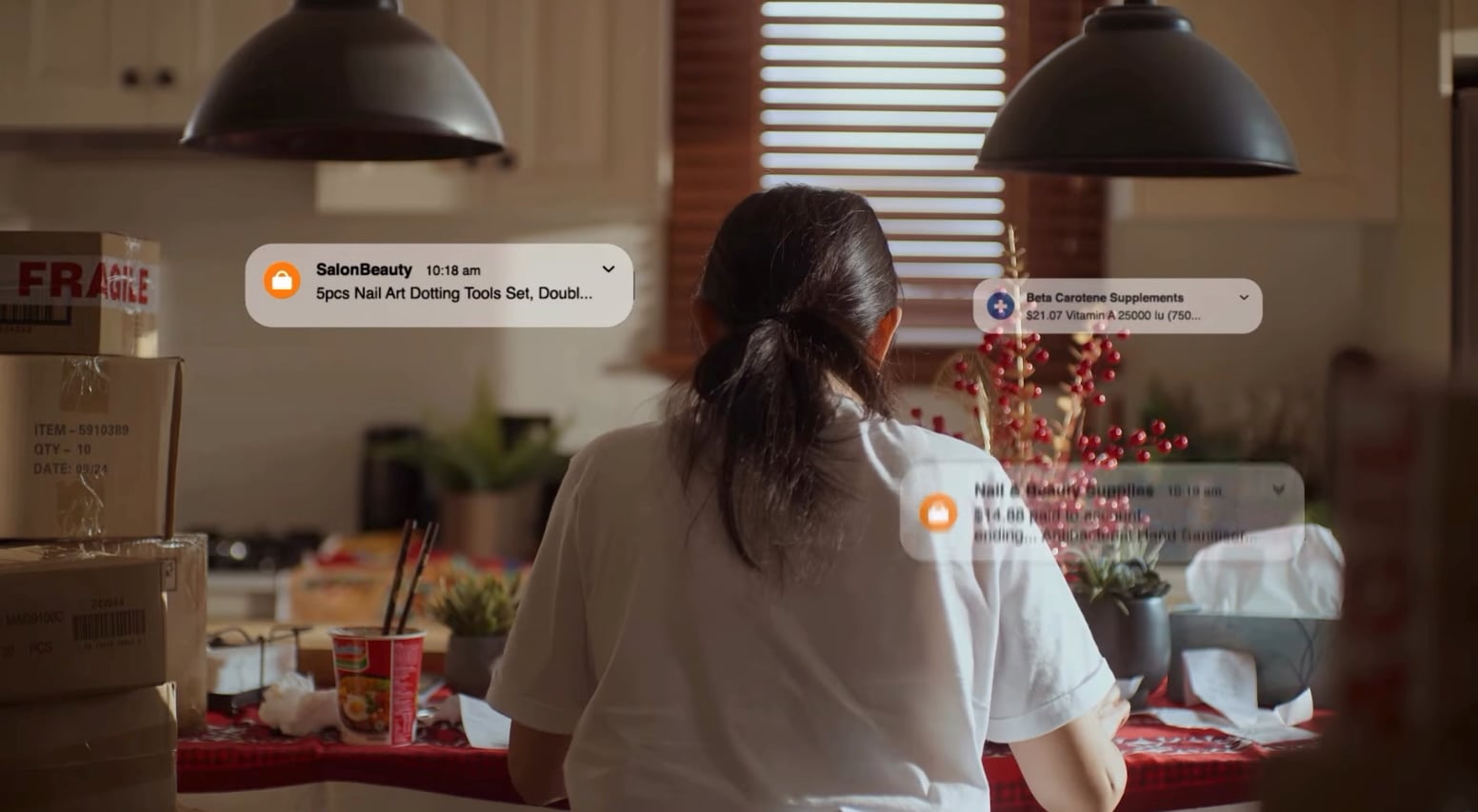
This film follows a young man looking after and working with his mother, who is suffering from cancer. As the title suggests, much of the storytelling plays out in transactions, as we see the mother purchasing various cosmetics and nail polish for her nail salon, while also dealing with her cancer diagnosis.
One day, a rude client comes into the store and when their nail clipping goes wrong – because the mother is fatigued and on the verge of fainting – they storm out and refuse to pay.
The mother’s health quickly declines, and eventually her transactions move from fun nail polish and cosmetics to health equipment and medication. Then, her transactions end.
In the spirit of joy that defines this festival, her passing becomes a catalyst for change. Her son tries to be happier and more forgiving. The woman who caused a fuss returns to express her regrets and make good on her freakout. The inflection is on growth, and how joy can spread.
Like many of the shorts presented at the Joy House Film Festival, Ganibarra also charted the fine line between pleasure and pain, and how joy can be found through acknowledgement of hardship.
Ganibarra is a short film documentary that explores the nature of dingoes in Australia, and how their poaching and destruction is felt so deeply within Indigenous communities. As the documentary states, being exiled from their land and misunderstood is a relatable feeling, and so dingoes have a kinship with local people.
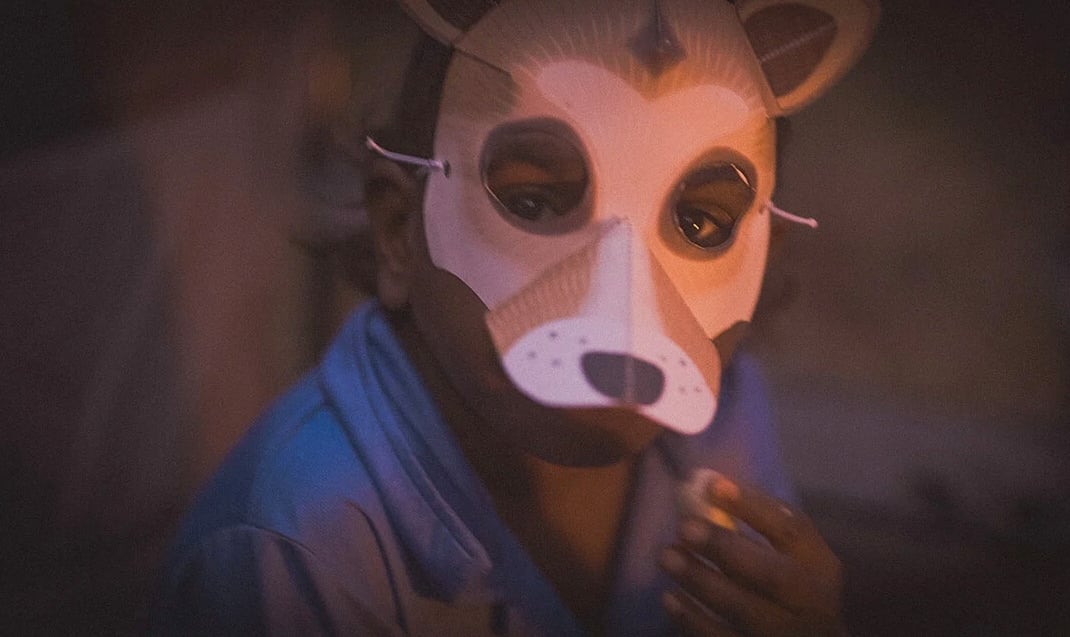
While largely focussed on the discrimination facing dingoes, the documentary is defined by a joyful, hopeful note as a younger generation of Indigenous people learn more about the animals and their importance, and embrace a shared sense of identity.
It’s joyful and cathartic to see this generation howling into the night, evoking a love for the dingo and what they represent.
One More For Safety was a funny, joyful eye-opener
Headlining the Joy House Film Festival, and taking out the prize for the entire showcase, was One More For Safety, by Kacey Baker. Anyone working in or around the film industry should certainly make time to watch this one, for its tongue-in-cheek approach to the industry.
Originally a Tropfest YouTube Wildcard Competition entry – as made clear by the appearance of the signature item, an hourglass – the film was a standout during the Joy House show.
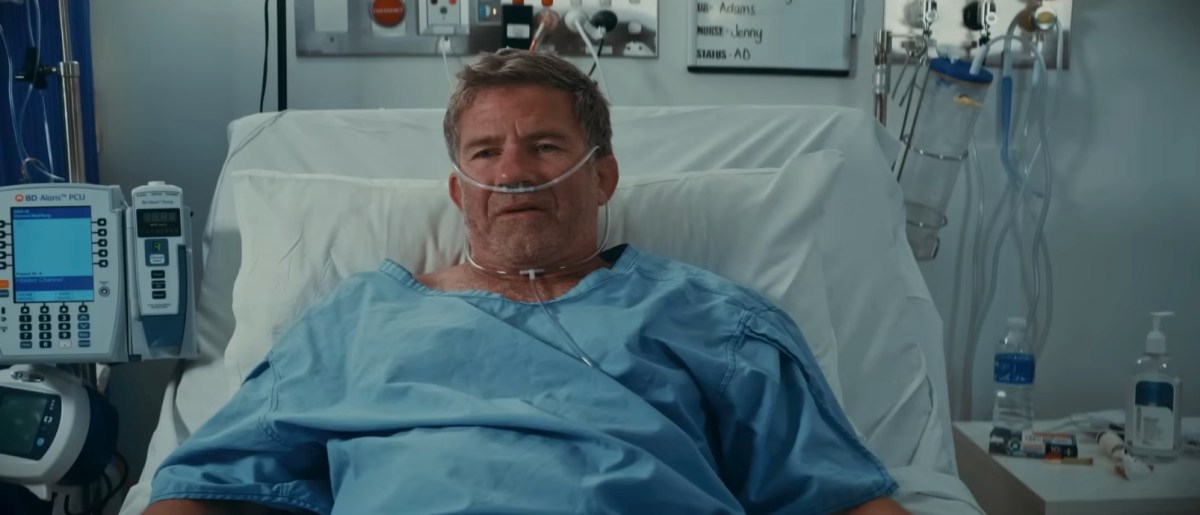
It features a man named Gavin who’s admitted to hospital with a serve case of ‘filmmaker-itis’ which convinces him he can make a living working within the Australian screen industry. As soon as he’s diagnosed, he’s put in a ward with fellow patients who repeat a need to film ‘one more for safety’ or otherwise appear stressed out of their minds from production duties.
In grave tones, the doctors state Gavin’s condition is terminal and there may be no hope for him – although briefly, it does appear he’s on track to be an industry darling when his Rotten Tomatoes audience score hits 100%.
One More For Safety is a committed act. It revels in joyful irony as an entry to a short film competition that also lambasts the act and art of filmmaking. This tongue-in-cheek approach is laugh-out-loud funny, as serious performances are mixed with clever dialogue of double meaning.
It certainly deserved the prize of the festival, for its absurd exploration of joy.
Joy can verge on the absurd and manic. It can also be a self-reflective joy, as director Baker acknowledges the troubles of creating films, while embracing exactly why they’re so joyful and fun to create.
In all, the selection for this event was revelatory, with the breadth of joy well-represented. While not every film hit the mark – The Museum of Fatigue, an AI-generated animated film characterised by bodily horror and a dour tone, felt particularly out of theme – the curation was, for the most part, done with a keen eye.
A premiere screening of Joy Hopwood’s latest film, Her Last Laugh, also helped to send home the joyful vibes of the festival.
Her Last Laugh breezes through the joy and pain of family
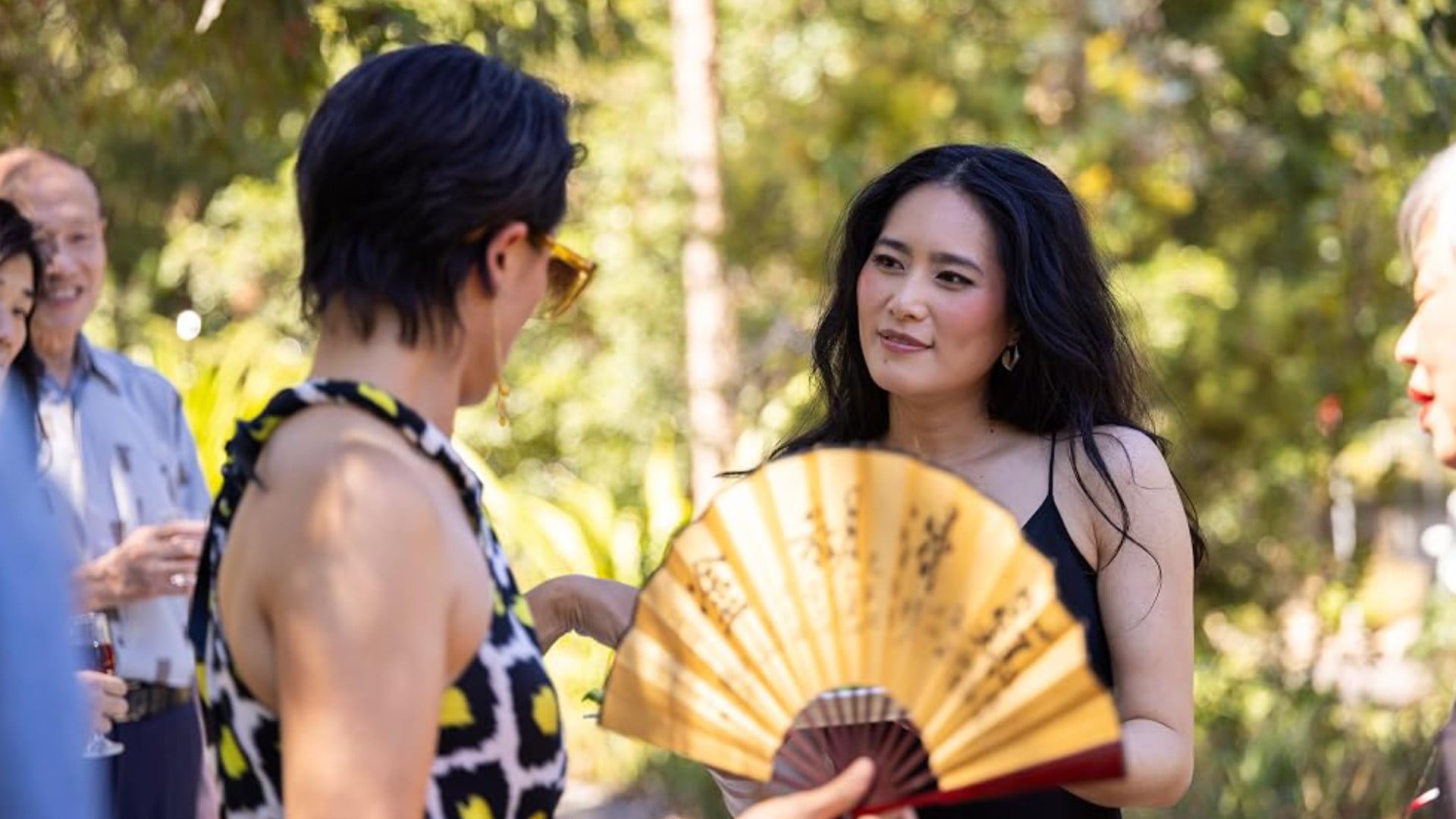
Her Last Laugh, a feature film starring Ana Thu Nguyen, Peter Thurnwald, Tiana Hogben, Kya Stewart and Lyanna Kea, follows two siblings, Willow and Annika Lim, as they inherit their mother’s casting agency and are tasked with making it profitable within a year, lest it fall into the hands of their conniving uncle.
As well as dealing with the stress of reviving the business in a depressed market, Willow and Annika also must deal with a mysterious threat to expose the business – the creation of aspiring star Tia Opal, played with dramatic relish by Kea – and with an unravelling family history that suggests not everything was sunshine and roses in their parents’ relationship.
Willow and Annika are likeable leads, with both Nguyen and Hogben painting them as steadfast and reliable but with a touch of vulnerability that leaves them open to conflict. Supported by a menagerie of fun characters, from the villainous and over-the-top Opal to the quirky casting agency receptionist Taylor, they embark on a quest of family discovery and truth that leads them to become closer, and more open to love.
Her Last Laugh plays fast and loose with its sense of reality, with light-hearted and often silly, sincere dialogue creating a cosy world to become part of. As well as revelling in joy – presenting warm family moments, and characters embracing their culture and family history – the film also explores how joy is born.
Journalist Ryan Knoxwell (Thurnwald) attempts to embrace joy after a family loss. Willow and Annika greet it after the pain of losing their mother, and not knowing their father. Even their uncle Stephen gets his own inspired arc, as he comes to reckon with his family history.
With the same curatorial eye that guided the 2026 Joy House Film Festival, this film is one that explores notions of joy in reality. Not joy as a loose concept, existing without connection. But joy as it’s found and earned in the real world – a discovery made richer in its birth.