Australia is rich with curated film festivals. Across the country, almost every month, small teams of intrepid curators are delivering unmatched cinema experiences, bringing together communities for celebrations of culture, storytelling and joy on screen.
While financial support and sponsorship opportunities exist for these festivals, many still operate within tight budgets, making the most of limited resources to deliver the best and brightest films – often those taken directly from other major festivals overseas and making waves in their home countries.
It’s passion and purpose that drives Australia’s film festival curators. It’s a desire to inspire and delight, and provide some sense of discovery or escape. To bring new experiences to audiences around the country that make them feel hopeful and happy, or even challenged in their beliefs.
‘I grew up in Huskisson on the South Coast of Australia,’ says Beatrix Brady, Manager of the Travelling Film Festival, which is currently touring regional Australia. ‘I went to the Travelling Film Festival as a kid.’
‘It’s such a wonderful thing to be able to go to these regional communities, where a lot of the time this is the only time they get to see these kind of stories on screen – international films, or independent Australian films. It’s so rewarding to just sit in that audience, and hear them engage with films.’
How Australian film festivals are made – quick links
No single route into curating film festivals
Developing a film festival is a complex but rewarding art, with many strange paths leading into the field. Local festival curators have an array of origin stories, many centred on passion and spotting an absence in the landscape worth addressing.
For Joy Hopwood, who founded the joy and diversity themed Joy House Film Festival in 2010, the decision was born of a desire to see more uplifting films on the big screen.
‘A friend who’s an academic said she went to a diverse film festival and she was very disturbed by it for two or three days. She was saying, “Why isn’t there an uplifting diverse film festival?” And I said, “I can do that,”‘ Hopwood says.
‘Especially with today’s climate and what’s happening in the world. I just think it’s really needed.’
As an independent film maker, Hopwood also recognised a need for a fresh platform for diverse faces, and better opportunities to tell diverse stories.
ScreenHub: Joy House Film Festival returns to Sydney’s Ritz Cinemas in September
The Joy House Film Festival, which arrives at Ritz Cinemas in Sydney on 13 September, is complex to run. It requires the support of sponsors and dedicated, knowledgeable staff to curate the list of featured shorts, and to ensure the festival is the hopeful experience intended. It’s about creating an event where people can feel joy and be inspired, and where filmmakers, actors and producers can share their talent and be proud of their achievements.
‘We give opportunities for emerging filmmakers, and we award people from different cultural backgrounds and diverse backgrounds,’ Hopwood says. ‘We don’t only give a Best Film award, but we recognise cultural impact.’
‘I’m proud of giving opportunities for people to shine and have their work recognised.’
A clear sense of purpose
The Sydney Underground Film Festival, which spotlights independently-made, ground-breaking cinema, is also guided by a unique purpose, in this case spotlighting underrepresented and ‘weirder’ subject matter. The festival typically features films that contain edgier or traditionally riskier themes, and takes place this year in Sydney from 10 to 13 September.
‘[SUFF Co-Founder and Co-Director] Stefan Popescu and I were making films … the sort of stuff we were making was quite weird and out there,’ says Co-Director Katherine Berger. ‘We did love Sydney Film Festival, but we kind of knew it was just too weird.
‘There wasn’t a lot of festivals at the time [around 2007], and we [said] there really needs to be a naughty relative of Sydney Film Festival, in a sense.’
ScreenHub: Sydney Underground Film Festival receives ‘record-breaking’ submissions for 2026 program
Berger adds, ‘We had no idea what we were doing. We just started going around to cinemas and asking, “Could we do this thing?” We’d seen underground film festivals overseas.’
Berger and Popescu had trouble gaining support from cinemas initially, but they were eventually able to establish the festival with the Factory Theatre in Marrickville, which was (and remains) dedicated to the performing arts scene. Since then, the festival has screened at various locations to a passionate audience, all driven by a curiosity and desire to see groundbreaking films.
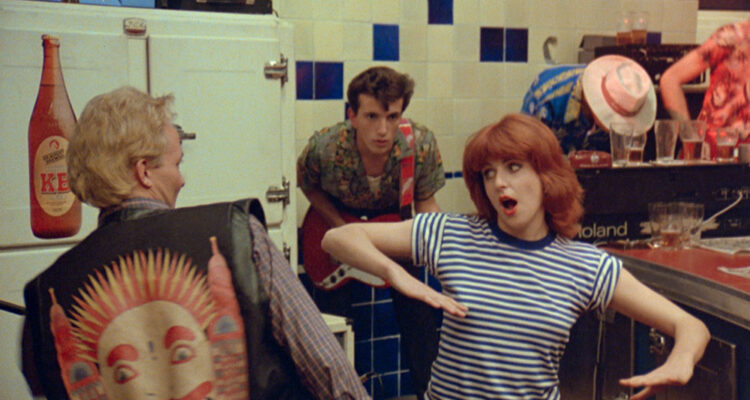
‘People know that when they go to SUFF, they’re going to get things where they’re not going to be easily accessible online,’ Berger says. ‘The films aren’t bound by genre. They’re often … quite genre-bending. They’re definitely something that’s pushing the boundaries, whether it’s taste … [or] they’re transgressive, provocative.
‘Sometimes it might be that [the audience] hated it, but it’s just going to be conversation-starting films.’
But for Berger, the most fulfilling part of curating SUFF is seeing the community coming together, chatting about films, and being challenged by them.
A hub for community

Elysia Zeccola, National Festivals Director at Palace, is also motivated by a desire for community connection. To that end, she curates multiple film festivals inspired by culture and heritage. Under her remit is the Italian Film Festival, which begins 16 September, as well as the Nordic Film Festival, German Film Festival and more, all held at Palace Cinemas annually.
Per Zeccola, the most gratifying part of the job is providing a space where people living in Australia can see more cinema from around the world, and perhaps even connect with their own heritage from far away.
‘I’ve got a love of languages and different cultures, and meeting different people and travelling, so it just kind of evolved,’ Zeccola says. ‘Because Palace became known as the home of festivals, more and more festivals would approach us to be involved.’
‘Over the years, we ended up starting to produce other festivals of our own because we saw how much the audience reacted to the Italian Film Festival [established in 2000], and there were so many other amazing films that we were seeing.’
ScreenHub: 5 big highlights from the 2026 ST. ALi Italian Film Festival
Attending Cannes Film Festival and Berlin Film Festival overseas, Zeccola was inspired to use the resources of Palace, which is a commercial family-run business, to deliver new film festivals that could feature ‘stunning’ films that may have never otherwise been picked up and shown in Australia.
This was certainly part of the motivation for the creation of the Nordic Film Festival, with filmmakers across Northern Europe and Northern America sharing so many stories worth telling within Australia.
Want to curate a film festival? Start with curiosity
Beyond passion and motivation, execution is equally important. To develop and launch a film festival requires dedication and the help of many hands.
As shared by Berger, the SUFF team began with simply asking questions. Where would the festival be hosted? Who would be part of it? With the support of the Factory Theatre, as well as others in their initial university environment, Berger and Popescu were able to build their knowledge and approach.
Finding films for the festival was the next step. At the time SUFF was founded, a platform called Withoutabox served as an essential tool. This allowed filmmakers to submit their work for consideration in film festivals around the world, with curators able to browse and organise their own selections from this platform.
The SUFF Festival team received submissions of ‘mountains of DVDs’, as various filmmakers discovered the festival and its ambitious goals.
‘Everything came on disc, so it was a lot of mail,’ Berger says.
Seek out help
Over the last two decades the festival has grown an artful reputation, and expanded in size and prestige.
Berger currently works alongside Nathan Senn on co-directing the festival, and they corral various designers, coordinators, programmers, consultants and volunteers to make SUFF happen each year. Many of those behind the scenes work on the festival as well as having a day job, and provide as much time as they can to elevate the yearly show.
Alongside the size of the festival, the methods of gathering films for screening have also changed over the years. Withoutabox was eventually supplanted by online streaming platform FilmFreeway, and more filmmakers now approach SUFF with projects they hope will fit their bill.
‘People contact us all the time, lots of emails … it’s definitely a relationship-building thing, and then also us searching,’ Berger says.
The Joy House Film Festival shares a similar approach. Hopwood leads direction, and each year is aided by a curated team of academics, filmmakers, judges and other organisers.
The films are also curated from submissions and those available via FilmFreeway. A public callout for films that fit the theme of joy helps to find projects that align with the festivals. Following a submission process with the Australian Classification Board (which some festivals are exempt from), the Joy House team begins their process of curation each year.
‘We allocate a minimum of 10 to 20 hours a week on the festival [in the lead-up to the September event],’ Hopwood says. ‘There’s a lot of preparation in terms of the judges … they’re looking at the films as we speak.’
Spotlighting timely messages and voices
Other larger events like the Italian and Nordic Film Festivals begin with a more focused goal: to screen prominent, ground-breaking films from around the world, in an effort to represent culture and country.
‘The festivals really have their own unique personality and identity and their celebration of the language and the culture,’ Zeccola says. ‘There’s so many different reasons a film will appeal.’
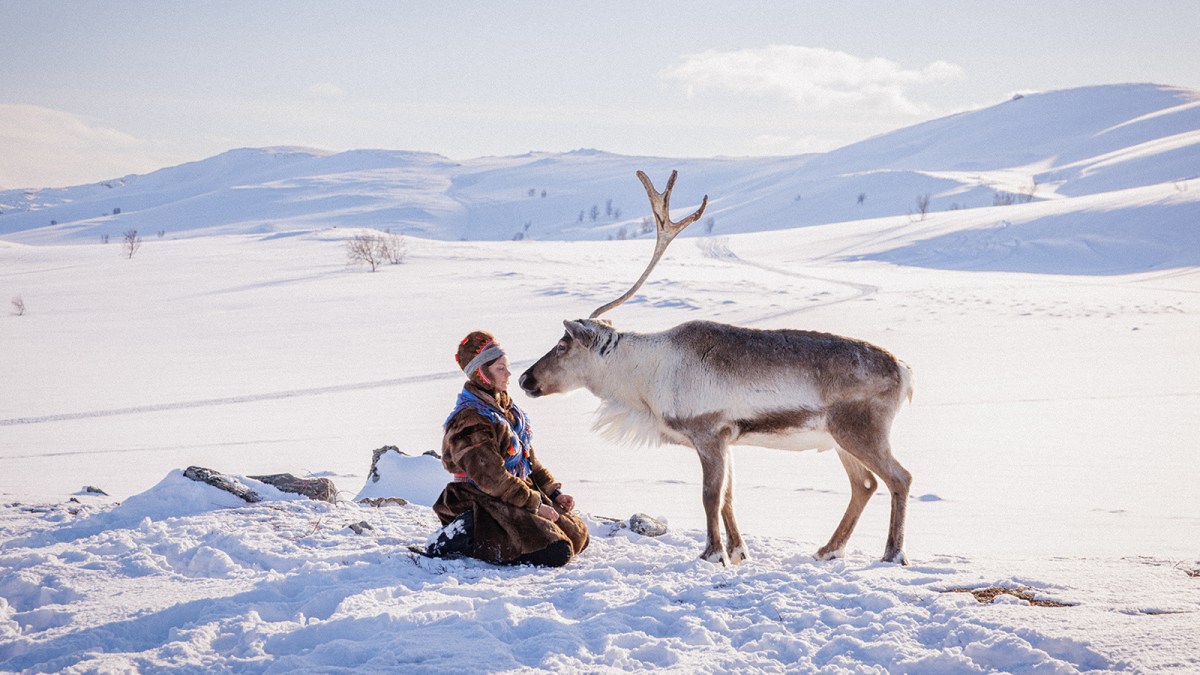
Zeccola intentionally seeks out impactful films from new talent, and those that elevate new voices. Nordic film Árru from first-time director Elle Sofe Sara was a headliner at this year’s Nordic Film Festival and was curated for its ‘stunning sense of place’ and how it brings the audience to the Sápmi region.
‘Sometimes a film will have an important message that I think is important, universal or compelling,’ Zeccola says. ‘Other times, it’s a bit of star power. It’s a bit of glamour.’
She adds, ‘We’re trying to share these moments with people and create genuine experiences at the cinema.’
Acquiring licences and rights
The Palace selection process for festivals typically involves working with an array of international film distributors, as well as acquiring the Australian and New Zealand rights for them. This is something that’s unique to Palace, as many other festivals simply screen films by license or permission of distributors.
‘The first step is that I’m at a film festival, watching the films. Then I’ll meet with the sales agent if the film has a sales agent, and then I will acquire the rights,’ Zeccola says.
‘Then I’ll come back to Australia and I’ll take delivery of the film, and then the film will be authored at the lab and then it will be delivered to our cinemas. That happens in most cases.’
Scouting at international film festivals allows Zeccola to see the full scope of projects out there and understand what’s cutting through. It also allows for the discovery of hidden gems that may not ever make it to Australia, but have important messages or compelling creativity to share.
‘They may never hit a streaming platform. They may never get a general release because they don’t even have a sales agent. But they’re the kind of films I would approach the producer directly for. I’ll just track them down. I’ll be an online stalker,’ Zeccola says, with a laugh.
Occasionally, the process will also involve established distributors within Australia, which makes the process a bit more streamlined. In both cases, the logistics of curation remains challenging and time-consuming, but seeing the films to release makes the process entirely worthwhile.
‘I’m so proud to see people coming to cinemas to see foreign language cinema,’ Zeccola says. ‘I feel I’m bringing something very special and unique, giving audiences a chance to view the world through a different perspective and see and understand different cultures and hear different languages.’
Partnering with other film festivals
The Travelling Film Festival has a similar remit, in that it also works alongside local and international partners to screen new, exciting films from around the world, bringing them to regional Australia in the footsteps of the Sydney Film Festival.
ScreenHub: Travelling Film Festival returns to regional NSW cinemas in August
Per Brady, the TFF and SFF teams work closely together to curate their shared programs.
‘Putting on any sort of touring arts, especially a touring film festival, it’s a very collaborative process with a lot of people all across Australia,’ Brady says.
‘You’re working with a lot of distributors. You’re working with a lot of venues. You’re working a lot with local film societies and local arts organisations to really make sure that the festival is ingrained in each community that we visit, that it feels real to their own cultural identity, and that it belongs to them.’
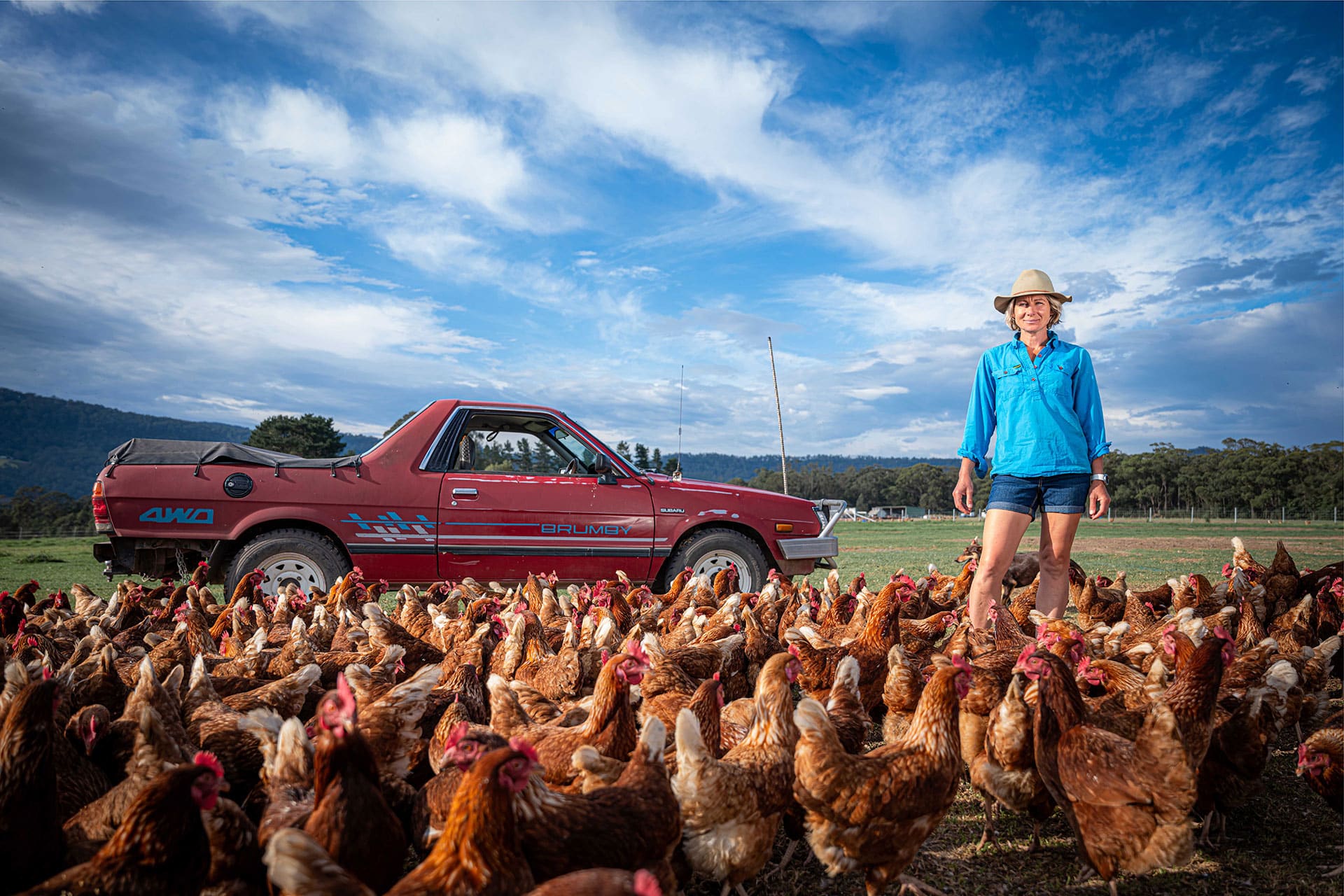
Brady’s TFF-specific curation begins early in the year, as the list of films for SFF starts to roll in.
‘I’m starting to think how they’d work for a regional audience as well,’ Brady says. ‘We’re very lucky to have been going for [so] long because there’s a lot of audience knowledge that goes into the decisions for which films end up playing for the Travelling Film Festival. We also look at community demographics, community interest, and the cultural or social significance of a film to a particular place we go to.’
The curation is all about the audience, and developing a slate that will inspire them, or allow them to see themselves on screen.
Unlike the Palace team, those behind TFF will typically work with films that already have local distribution (although this isn’t strictly always the case). As Brady says, there are lots of great distributors working within in Australia that pick up ‘really interesting’ films.
Sometimes, the team will also get filmmakers approaching them directly, with specific local interest stories often being perfect for the tone of the festival. It’s all in service of delivering that all-important experience for the festival’s audience.
Funding remains one of the biggest challenges
For TFF and many other local film festivals, financial support and sponsorship is an essential part of making this magic happen, particularly for festivals that don’t have a specific commercial focus.
As Brady says, the TFF team is ‘incredibly fortunate’ to get support from Screen Australia, Screen NSW and Screen Queensland, all of which helps to facilitate regional travel and everything else that goes into the festival.
It’s an expensive endeavour by nature, but one that remains culturally important.
‘The reality, as I’m sure we all know, is that cultural events like the TFF just couldn’t exist without that kind of support. Touring films and delivering the kind of screen culture event that we want to regional communities incurs significant costs, and these costs continue to rise.
‘What is particularly encouraging is that [Australia’s screen] organisations understand the value of ensuring that audiences outside of major cities do have access to this world-class cinema and screen culture events.
‘In so many places that we go, TFF is the only event of its kind. It’s an opportunity for these communities to see this kind of screen content up on the big screen.’
SUFF has also been supported by government funding in the past, with Screen NSW providing some support and many local councils within Sydney also stepping up to buoy the endeavour. As Berger says, securing that funding and the sustainability of the festival remains one of the team’s biggest challenges each year.
‘Cash sponsorship is very hard to find, and I think you need a dedicated person for that,’ Berger says. ‘We’re just a very small team, and sometimes I find our downfall is we’re not thinking a year ahead, or two years ahead. We just don’t have that capacity.’
This year and in the year prior, Screen NSW’s dedicated festival funding has allowed SUFF to achieve many of its goals. But looking into the near future, Berger knows there’s a big job ahead.
The Joy House Film Festival, likewise, is a complex endeavour to fund. Per Hopwood, support from Sydney’s Ritz Cinemas allows the festival to run, but securing state funding and sponsorship from other sources has so far been a challenge.
‘I’ve always reached out to businesses,’ Hopwood says. ‘I think for independent festivals, the best thing is to not rely on government funding and just seek private investors. If you happen to get government funding, I think that’s a bonus.’
The huge impact of Australia’s film festivals
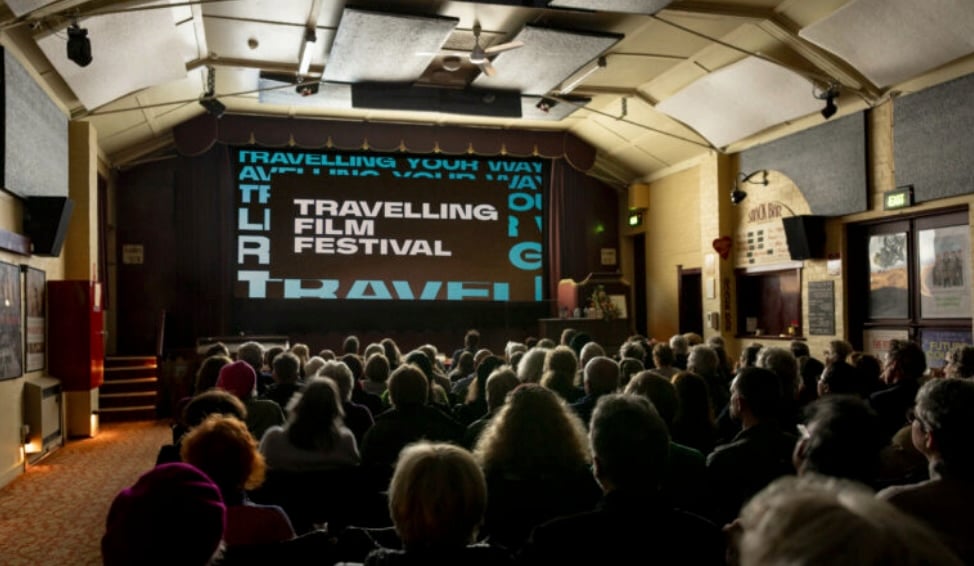
Speaking to curators working on film festivals of all sizes across Australia, the cultural impact of these events can be clearly understood.
Festivals curated around the cinema of overseas countries can unite communities in celebrations of their history and heritage. Festivals for joy and diverse storytelling can make people happier, more empathetic and better educated. Festivals pushing the bounds of storytelling can shock people into action or encourage them to open their heart. Festivals that travel can make people feel more connected to their neighbours and give them a chance to see stories they wouldn’t otherwise get to see.
It’s for these reasons that Australia’s local film festival curators continue working, despite the challenges of securing funding for the future, and headaches like rising costs and touring complications.
Brady says, ‘We collaborate with a lot of different people to put on the festival, and it can be logistically quite challenging especially as things get more expensive and you try to find ways to still make it work and really put on a fantastic event for a community.
‘But it’s a really great thing to be able to support these cinemas, and then also rally the people who come to TFF … to help make sure you keep these places alive, because they are so special.’