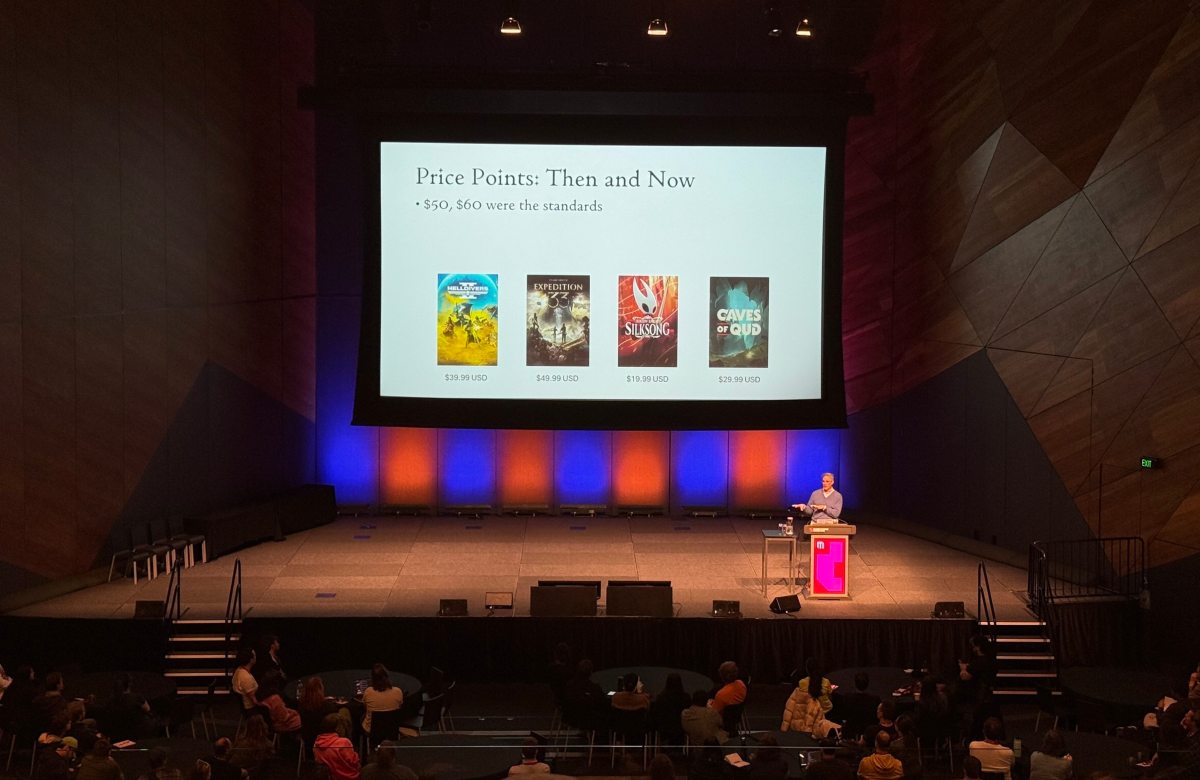
Obsidian Entertainment’s Josh Sawyer, veteran of the games industry, who’s worked on award-winning, critically-acclaimed, best-selling titles like Fallout: New Vegas, Pentiment, Pillars of Eternity, and Icewind Dale, closed out the final day of Games Connect Asia Pacific (GCAP) 2025 with a rather novel comparison. In discussing the life cycle of the games industry, and all its many changes, Sawyer compared it to the career of Tom Cruise, and the Mission: Impossible films.
Sawyer’s career in the games industry began in the early 2000s, around the time of Mission: Impossible 2‘s release. It was a very different time, Sawyer noted. But 25 years later, Mission: Impossible continues as a franchise – a bit worse for wear in its latest entry, but still persistent, and still enjoyable, overall.
In the comparison of then vs. now, Sawyer highlighted that while the games industry has grown and changed in recent years, it’s always been the same beast at its core, with similar challenges across the decades. And to understand the future, we must examine and understand the movements of the past.
GCAP 2025: Josh Sawyer keynote roundup
Then vs. now: how the games industry has changed
Speaking to the audience at GCAP 2025, Sawyer revealed a key fact of his own career: despite all the awards and accolades, and being such a recognisable name in the games industry, he still feels insecure in his job. Throughout all the years he’s created games, he’s faced waves of changes, with insecurity being a constant, driving force to push through.
And while the general instability of the games industry has gotten worse recently, due to an array of factors, including the encroachment of private equity into the sector, and technology change inspiring the rapid and non-sustainable growth of developer teams, he believes the games industry has, overall, changed for the better.
Sawyer recalled that when he first began creating games, he was largely working in small teams alongside other white men. For the first few years of his career, he didn’t work with women at all. But in 2025, teams are far more diverse, representing a wider array of lived experiences.
When he began, most folks were generalists. Now, there’s a greater array of specialists, working on bigger and longer projects.
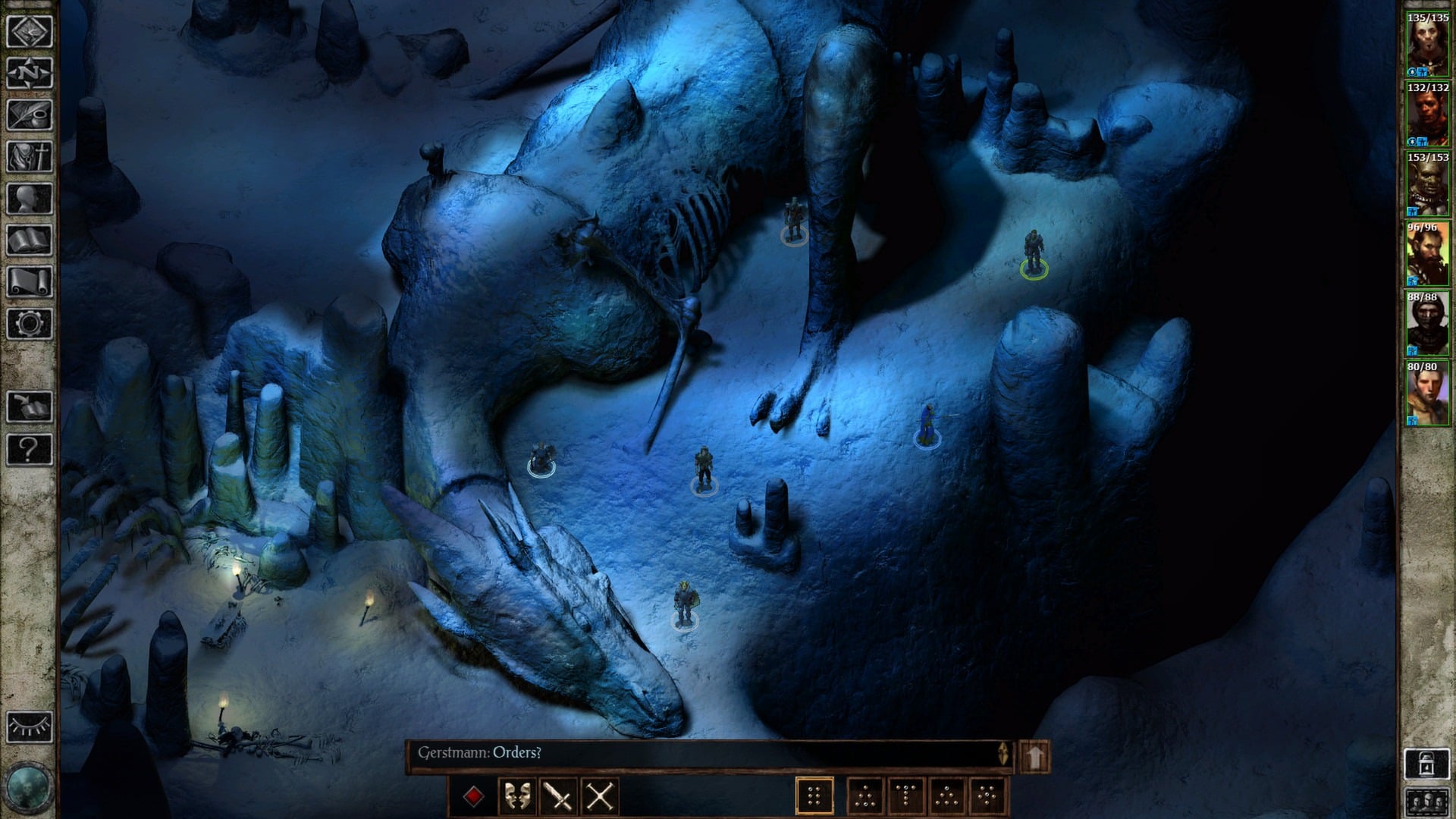
Per Sawyer, that idea of bigger, longer projects has also blown out considerably. In the early 2000s, teams working on video games were around 15-40 people, with strict timelines. Games were developed in months, not years. It meant developers often had to crunch, and this culture was encouraged.
But as Sawyer pointed out, while crunch has been relatively squashed in the modern culture, with help from public outrage and unionisation efforts, other issues have arisen from changes to the games industry of the 2020s.
Where Icewind Dale took 14 months to develop, and Icewind Dale 2 took 10 months to develop, newer titles like Avowed and Grand Theft Auto 6 have taken up to six years to develop. Crunch isn’t as prevalent, but as Sawyer described, burnout is. Bringing a project to life over a six year period is an incredible labour, and one that can destroy a spirit in the same way that crunch can.
It’s also not a sustainable practice, in terms of the team sizes needed. Where previously, a few dozen folks would work on a single game, now, teams of 200 or 400 are needed to create these technically complex worlds. Sawyer pointed out a report that Grand Theft Auto 6 has had around 6,000 people working on, thanks to the size of the project, and its truncated timeline.
Indie, AA, and AAA
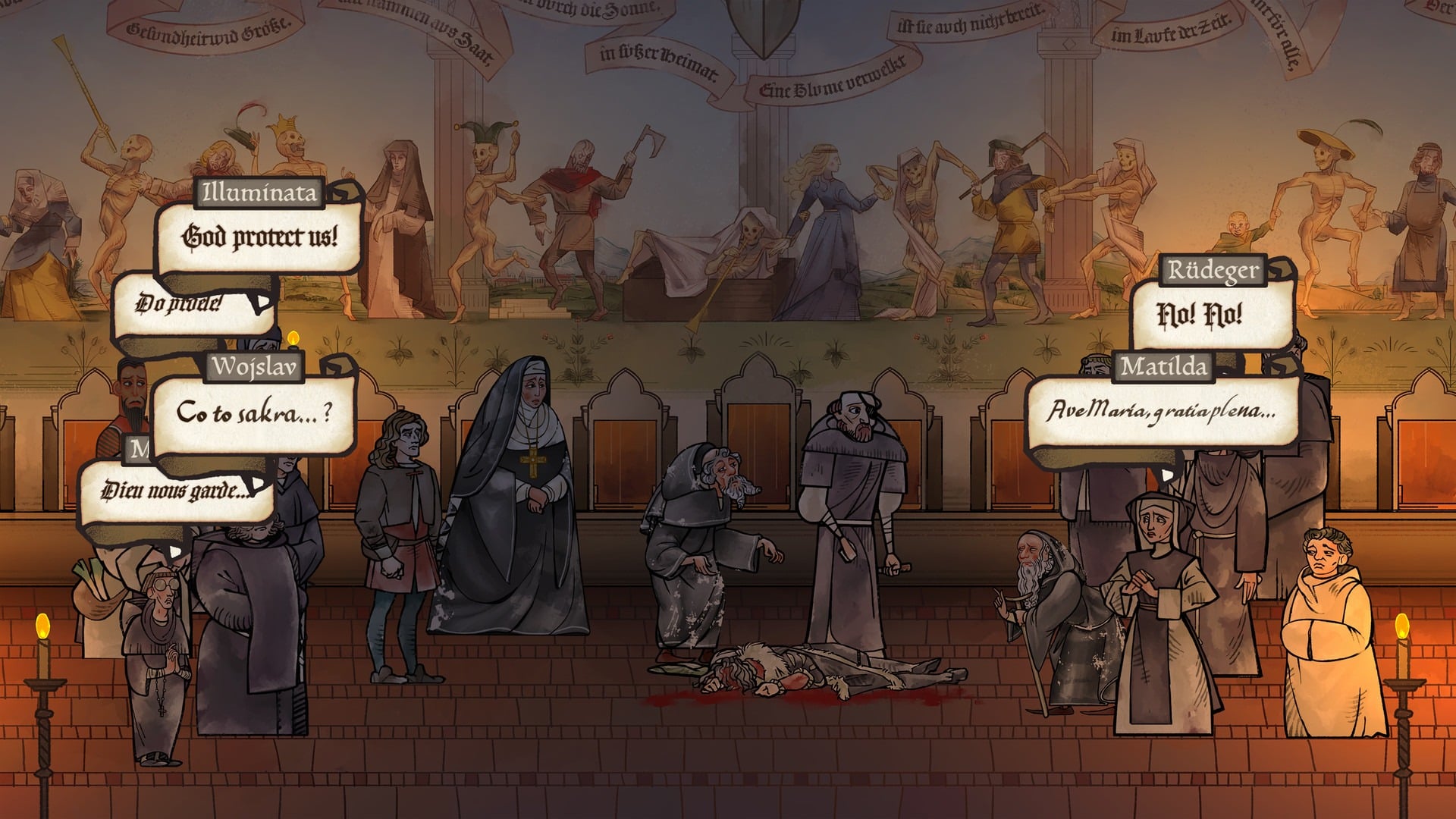
These changes have somewhat led to the games industry circling back, per Sawyer. While many AAA studios have now bloated into massive, investment-led companies requiring significant returns on years of production, smaller teams around the world have re-invented the wheel.
Per Sawyer, the way most indie and AA game developers work now is a lot like how the games industry used to be, 25 years ago. Smaller teams, working on shorter-term projects, to a stricter timeline. And with so many more folks in the games industry now working on this smaller projects away from AAA development, it also means more options for players, and a diversity of choice that didn’t exist in the same way, prior.
While indie and AA game development has its own complications – passion still inspires crunch, and there is a lack of sustainability and funding for smaller teams, where runaway hits can’t prop up the financials – there are many making it work, and creating some of the most unique, impactful games with more limited resources.
As Sawyer briefly pointed out, that’s what makes recent debate about game price points so complex. While pricing for AAA games has needed to rise over 25 years, due to the scale of projects, with the economy in downturn and wallets tighter than ever, there are now more valuable options in those indie and AA games. Some of the best experiences in the world of video games are some of the cheapest – and so perhaps, Sawyer posits, the need around AAA games is changing.
Perhaps the greatest lesson learned from 25 years of evolution in the games industry is that we should lean more into the past. Not with the rose-coloured goggles of nostalgia, but with an intense critical lens about what worked, and what didn’t.
It’s clear in the move towards smaller teams and passion-led games that developers are driven by a desire for more sustainable practices, and more creative projects. Even despite 25 years of change, that yearning to create remains, and developers are adapting to make the most of their circumstances, to continue creating, no matter what.
Sawyer says there is certainly the way forward for the modern games industry, even as developers face layoffs and insecurity. It’s all about creating, about finding an audience, and protecting each other.
In 25 years, Sawyer has seen much change, as one of the only constants – and with the wisdom of these experiences, he shared a hope for a better future with the GCAP 2025 audience.