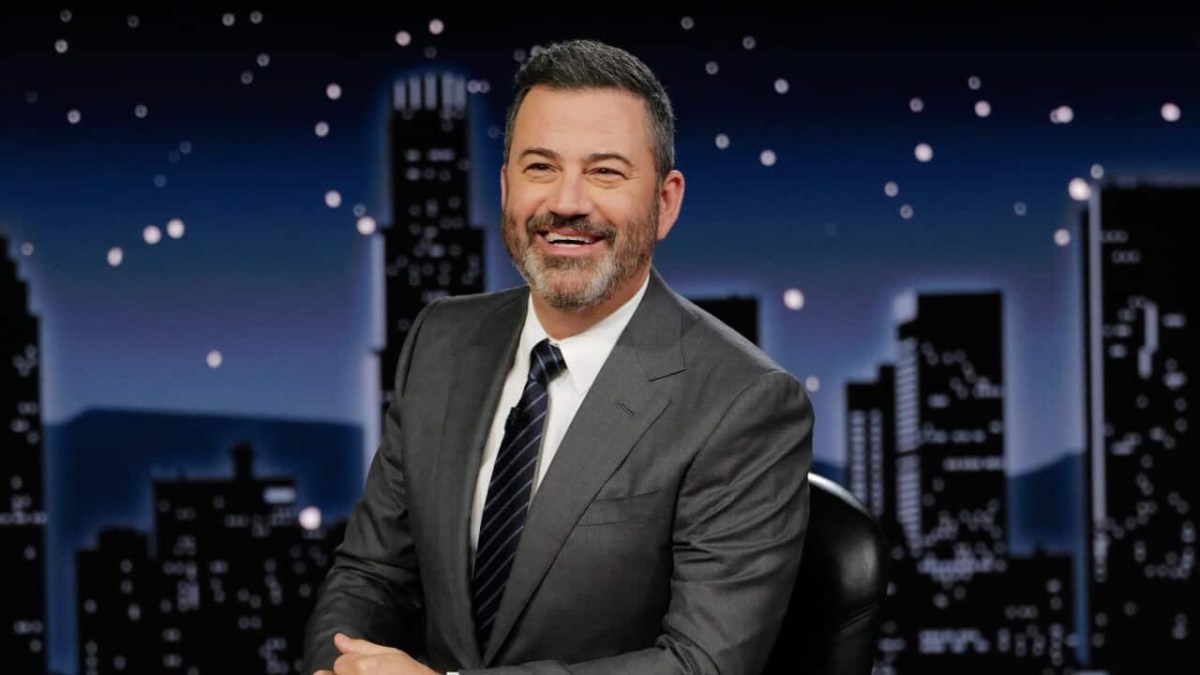
In recent weeks, both Jimmy Kimmel and Stephen Colbert have been pulled from the airwaves after comments that criticised Donald Trump and his MAGA movement.
The cancellation of their shows – Jimmy Kimmel Live! and The Late Show with Stephen Colbert, both late night talk shows known for their political satire – has sparked worry in the industry, about the future of free expression on TV, with high-profile actors like Tatiana Maslany urging people to cancel their subscriptions to Disney+ (where Kimmel’s show streams in the US) in response.
As reported in USA Today, ABC (the American Broadcast Company) announced this week that Jimmy Kimmel Live! would be pulled ‘indefinitely’ following comments the host made about the recent murder of conservative activist Charlie Kirk.
The move arrives just a few months after CBS cancelled The Late Show with Stephen Colbert.
Jimmy Kimmel cancelled: quick links
Over the course of his administration, President Trump has openly pressured broadcasters over what he sees as partisan attacks. As reported in The Guardian, Federal Communications Commission chairman Brendan Carr (a Trump appointee) said this week that networks could ‘do this the easy way or the hard way’ when it comes to disciplining their on-air talent.
Within hours, several ABC affiliates, including Nexstar-owned stations, dropped Kimmel’s show. The network itself soon followed.
Kimmel: a clash between comedy and politics
Kimmel’s suspension stems from a monologue on 15 September in which he criticised right-leaning commentators for weaponising the murder of right-wing personality Charlie Kirk. Prosecutors in Utah have since charged 22-year-old Tyler Robinson with aggravated murder, though his political motivations remain unclear.
‘We hit some new lows over the weekend with the MAGA gang desperately trying to characterise this kid who murdered Charlie Kirk as anything other than one of them and doing everything they can to score political points from it,’ Kimmel said in the show. ‘In between the finger-pointing, there was grieving.’
Kimmel was taken off air shortly thereafter, with Trump quickly claiming credit for it. On his social media platform Truth Social, he declared: ‘Great news for America: the ratings-challenged Jimmy Kimmel Show is CANCELLED… That leaves Jimmy [Fallon] and Seth [Meyers], two total losers, on Fake News NBC. Do it NBC!!!’
Legal scholars argue the case is a textbook example of ‘jawboning’, in which government officials pressure private companies to suppress speech. As reported in NPR, Evelyn Douek, a Stanford Law professor, described Kimmel’s removal as ‘censorship by proxy’.
The knock-on effects could lead to an entire reshaping of network comedy as we know it. Colbert’s cancellation already deprived CBS of its flagship late-night program. Kimmel’s indefinite suspension leaves ABC scrambling for replacements, while raising fears of a broader retreat from politically-charged satire. NBC, home to Jimmy Fallon and Seth Meyers, now faces direct pressure from the White House.
Media consolidation in the US has left networks heavily reliant on advertising revenue and regulatory approvals. Nexstar, one of the largest station owners, is currently pursuing a USD $6.2 billion merger with Tegna – a deal that requires FCC approval. As reported in The Guardian, analysts believe this has left broadcasters especially vulnerable to political influence.
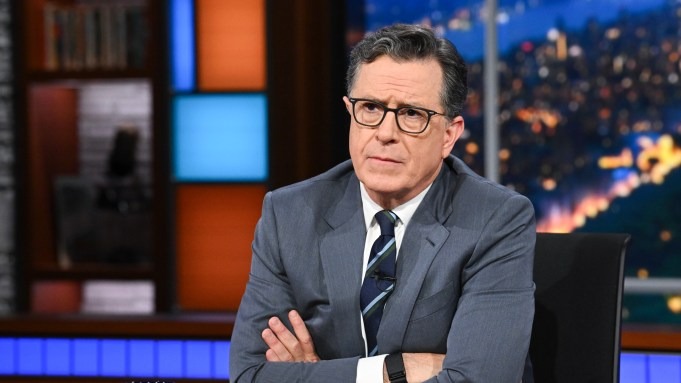
The industry responds to Kimmel’s cancellation
Reaction from the entertainment sector has been swift. Actors, comedians and writers have condemned the suspensions as politically motivated censorship. The Writers Guild of America West called it a ‘dangerous precedent’, while several prominent comedians vowed to rally behind Kimmel.
For Australia, the developments in US television resonate strongly. Local broadcasters rely on American late-night formats for cultural exports, viral clips, and streaming tie-ins. The removal of two of the genre’s most influential voices highlights how fragile such programming can be when political pressure collides with corporate caution.
Whether Kimmel might return to air remains uncertain. Even if he pursues a First Amendment challenge, legal experts say a court battle could take years. In the meantime, his absence, combined with Colbert’s exit, signals a new era in which late-night TV may no longer be a space for unrestrained political critique, comedic or otherwise.